
Dehumidifier Rental After Water Damage: What to Know
Need a dehumidifier rental after water damage in Northwest Arkansas? Learn what equipment you need, how long drying takes, and when to call a restoration pro.
What Dehumidifier Rental After Water Damage Actually Means
When a pipe bursts or a washing machine overflows, the first instinct is often to rent a dehumidifier from a local hardware store and start drying. That instinct is understandable. But there is a meaningful gap between what a box-store rental unit can do and what actually needs to happen inside a water-damaged home.
A standard consumer dehumidifier might remove 30 to 70 pints of moisture per day. An industrial low-grain refrigerant dehumidifier, the kind used in professional restoration, can remove 150 to 300 pints per day or more depending on the model. That difference matters because wet building materials, especially subfloor assemblies, wall cavities, and wood framing, hold moisture deep inside where surface-level airflow cannot reach. You need high-capacity equipment positioned strategically to pull moisture out of the structure itself, not just the ambient air in the room.
For complete coverage, see our Industrial Dehumidifiers Rental: What You Need to Know resource on industrial dehumidifier use in water damage scenarios.
Bear works with homeowners across Northwest Arkansas, including Bentonville, Rogers, Bella Vista, and Centerton, who have already spent days running a rental unit only to find wet readings still showing under the floor or behind the walls. That is time lost. And in a water damage situation, time is the variable that determines whether a home dries cleanly or develops a secondary mold problem.
According to EPA guidance on mold growth conditions, mold can begin to grow on wet materials within 24 to 48 hours, which is why drying speed is a critical factor after any water intrusion event. Dehumidifier rental is not wrong. It just needs to be the right equipment for the scope of the damage.
How to Choose the Right Dehumidifier Capacity for Your Situation
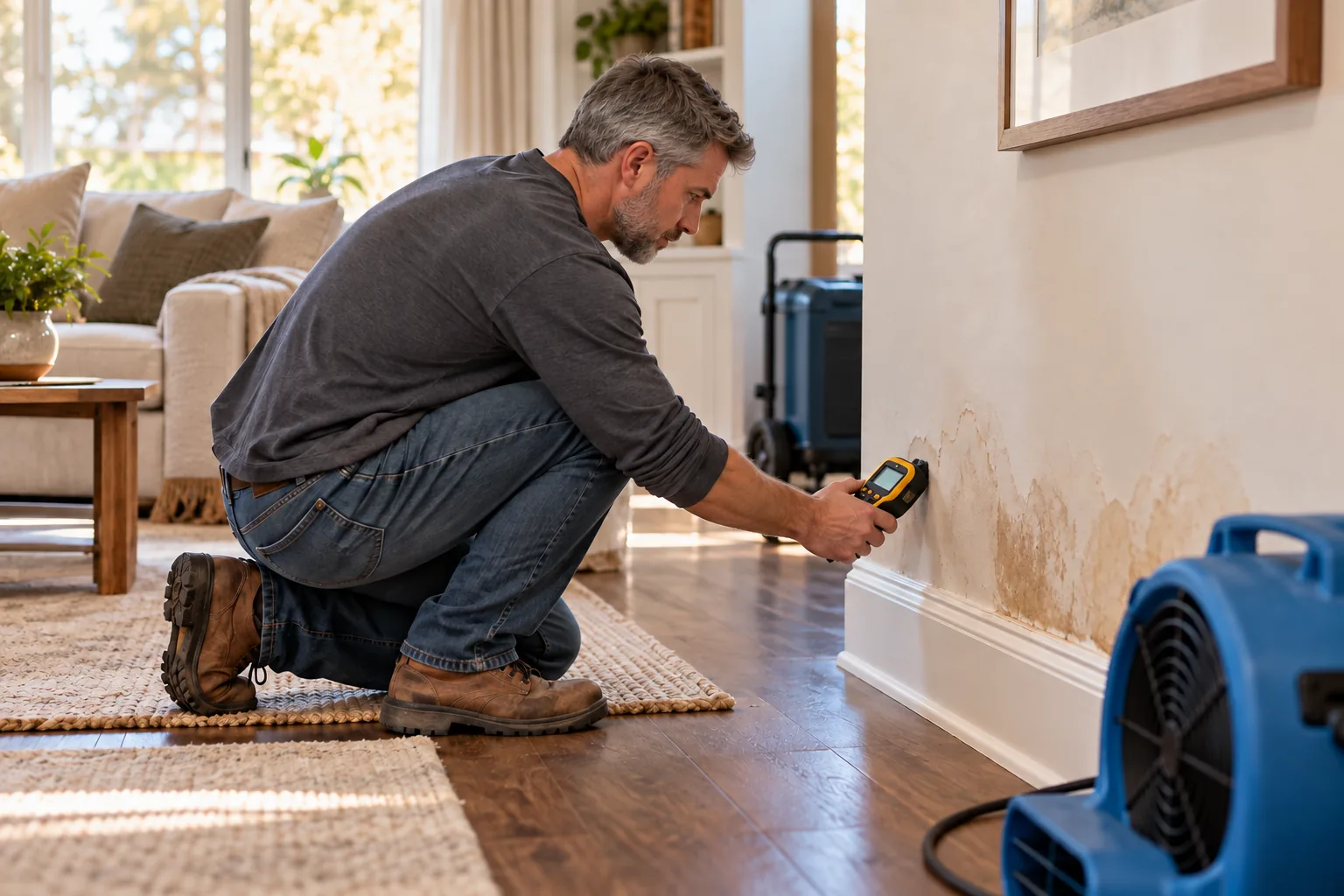
Capacity is measured in pints per day, and matching capacity to the situation is not guesswork. Restoration professionals use thermal imaging moisture detection to measure how wet the materials actually are before determining how many units are needed and where to place them. A DIY renter typically skips this step, which leads to under-drying.
What square footage and material type tell you about equipment needs?
A wet 500-square-foot basement with concrete floors and block walls dries differently than a 500-square-foot carpeted living area with wood subfloor over a crawlspace. Concrete holds moisture differently than wood. Carpet and pad trap moisture and often need to be removed before dehumidification can work effectively. If you are estimating dehumidifier capacity without accounting for material type, you are likely underestimating what the job requires.
Does the number of units matter more than the unit size?
Often, yes. Multiple mid-capacity industrial units placed in a controlled drying zone outperform a single large unit sitting in the middle of the room. Airflow direction, distance from wet materials, and the ability to seal off a drying area all affect how efficiently moisture is removed. A rental unit from a hardware store typically does not come with placement guidance or moisture monitoring. A restoration contractor does both as part of the job.
Homeowners dealing with flood events can also read about our water damage drying and dehumidification process in Northwest Arkansas for more detail on how drying protocols are structured.
The Real Timeline for Drying a Water-Damaged Home
Drying time is one of the most misunderstood parts of water damage recovery. Most homeowners expect it to take a day or two. In practice, proper structural drying typically takes three to five days with the right industrial equipment, and longer when materials are heavily saturated or the damage covers a large area.
What happens if you stop drying too early?
Stopping dehumidification before moisture readings return to acceptable levels is one of the most common mistakes in DIY recovery. Materials can feel dry to the touch while still holding enough moisture at depth to support mold growth. Restoration professionals use calibrated moisture meter testing to verify that wood and drywall have returned to a safe moisture content range before equipment is removed. That verification step is not optional. It is the difference between a finished job and a job that fails six weeks later.
How does water damage category affect drying time?
Industry restoration standards classify water damage into categories based on contamination level. Category 1 is clean water from a supply line. Category 2 involves gray water with some contamination. Category 3 covers black water including sewage. Higher categories require additional safety protocols and may require removal of materials that cannot be dried in place. A rental dehumidifier does not change the category of the damage. It only addresses the moisture component. For sewage-involved events, professional sewage cleanup and biohazard restoration is required before any drying equipment is effective.
When Dehumidifier Rental Makes Sense and When It Does Not
There are situations where renting a dehumidifier is a reasonable first step. A small appliance leak caught within hours, confined to a tile floor with no wall or cabinet involvement, may dry adequately with a mid-grade rental unit and good ventilation. The damage is shallow, the materials are non-porous, and the scope is limited.
What situations call for professional equipment instead of a rental?
Any event involving more than a few square feet of wet porous material warrants professional equipment. That includes wet drywall, wet subfloor, wet insulation, or water that has been sitting for more than a few hours. It also includes any water source that is not confirmed clean, any event that has reached wall cavities, and any situation where the homeowner cannot take moisture readings to verify drying progress. If you are not sure whether the scope qualifies, it probably does.
Does insurance cover professional drying equipment?
Most standard homeowner insurance policies that cover water damage also cover the cost of professional drying equipment as part of the mitigation process. This is worth understanding before committing to a rental unit out of pocket. A restoration contractor can document the scope and equipment use for your claim. A box-store rental receipt does not carry the same weight in a claim. Reviewing your policy language before acting is time well spent. A licensed emergency plumber in NWA can also help identify the source of the loss for documentation purposes.
Mold Risk and Why Speed Changes Everything
Mold does not wait for a convenient schedule. According to EPA mold resources, the window between initial water intrusion and the beginning of mold colonization on porous materials is narrow, often less than 48 hours in warm, humid conditions. Northwest Arkansas summers create exactly those conditions.
How does a dehumidifier reduce mold risk after water damage?
By reducing relative humidity below the threshold at which mold can establish and grow, typically below 60 percent, dehumidification slows or stops the conditions mold needs. But this only works if the equipment has enough capacity to actually lower humidity in the space, and if moisture inside materials is being actively pulled out. A consumer-grade unit running in a heavily saturated room may not lower ambient humidity fast enough to interrupt mold development. Industrial units accomplish this more reliably because of their higher extraction rates and the way they are positioned to work in conjunction with air movers.
What are the signs that drying has not been effective?
Musty odors, visible discoloration on walls or ceilings, warping or buckling in wood flooring, and persistent elevated humidity readings are all indicators that drying was incomplete. If any of these appear after you have run a rental dehumidifier, the next step is a professional moisture inspection. Waiting to see if the smell goes away is a losing strategy. Mold removal after an incomplete dry job is significantly more involved than addressing moisture correctly the first time.
What the Drying Process Looks Like With a Restoration Contractor
A professional drying protocol is not just placing equipment and leaving. It involves an initial moisture survey to map all affected areas, selection and placement of industrial dehumidifiers and air movers, daily or twice-daily monitoring to track drying progress, and a final verification using calibrated instruments before equipment is removed.
How do restoration contractors document the drying process?
Documentation includes moisture readings taken at multiple points throughout the affected area, recorded over the course of the drying period. This creates a drying log that shows the progression from initial readings to final clearance. That log is useful for insurance claims and provides the homeowner with verifiable evidence that the structure was dried to standard. According to IICRC Standards and Guidelines, restoration drying should follow established protocols for moisture measurement and equipment placement to ensure consistent, verifiable results.
What happens after drying is complete?
Once moisture readings confirm the structure is dry, the scope of repair becomes clear. Some materials that were removed to allow drying, such as drywall sections or flooring, need to be replaced. This is where having a single contractor who handles both mitigation and repair makes the process straightforward. Bear handles both sides of the work, which means no hand-off between a drying vendor and a separate contractor. Homeowners can also read about the home reconstruction process after water damage in Northwest Arkansas for context on what rebuilding typically involves.
Frequently Asked Quest
Bear’s water damage services.
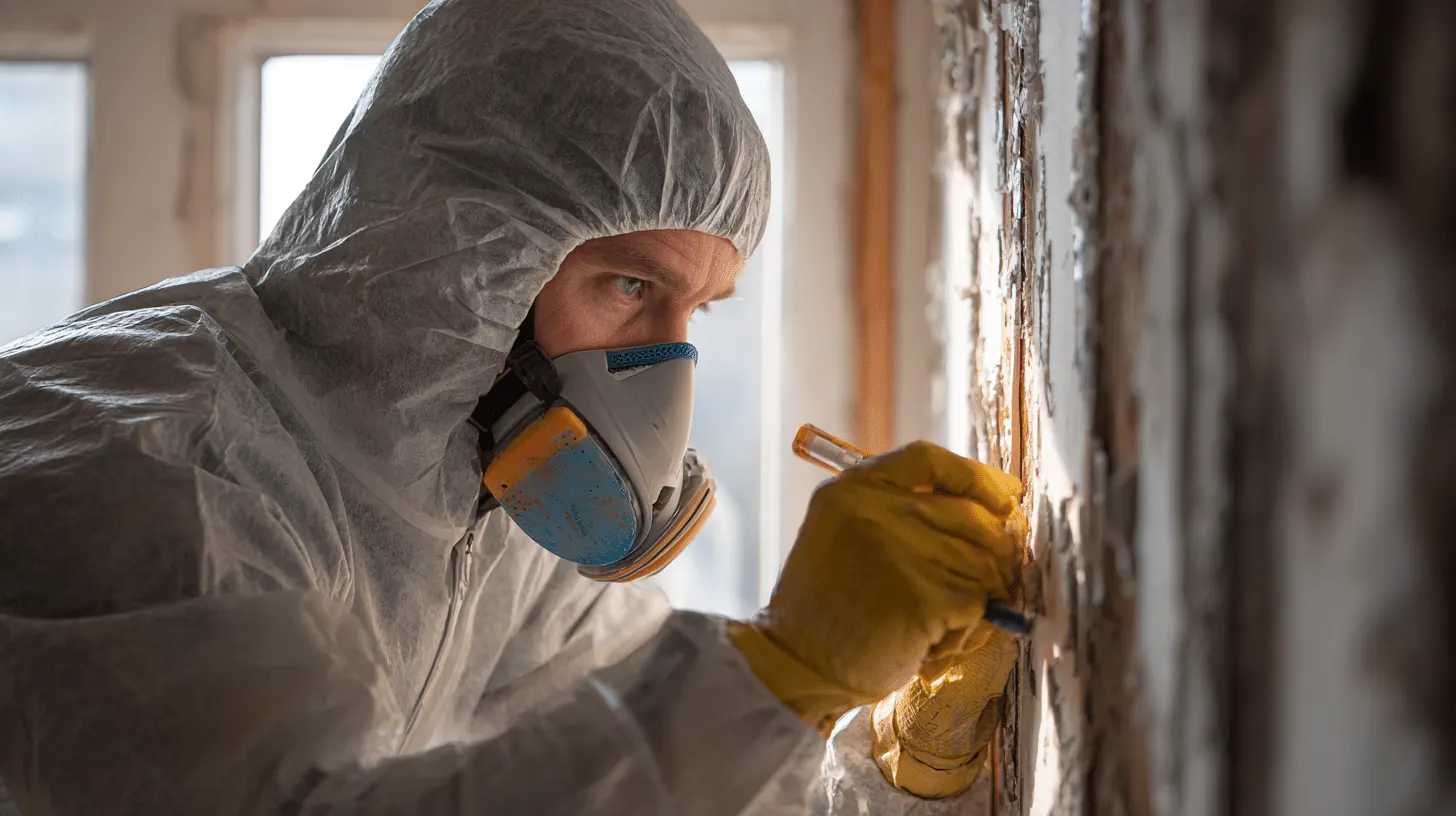 Water RemovalCommercial-duty pumps and vacuums extract water fast to limit the damage.
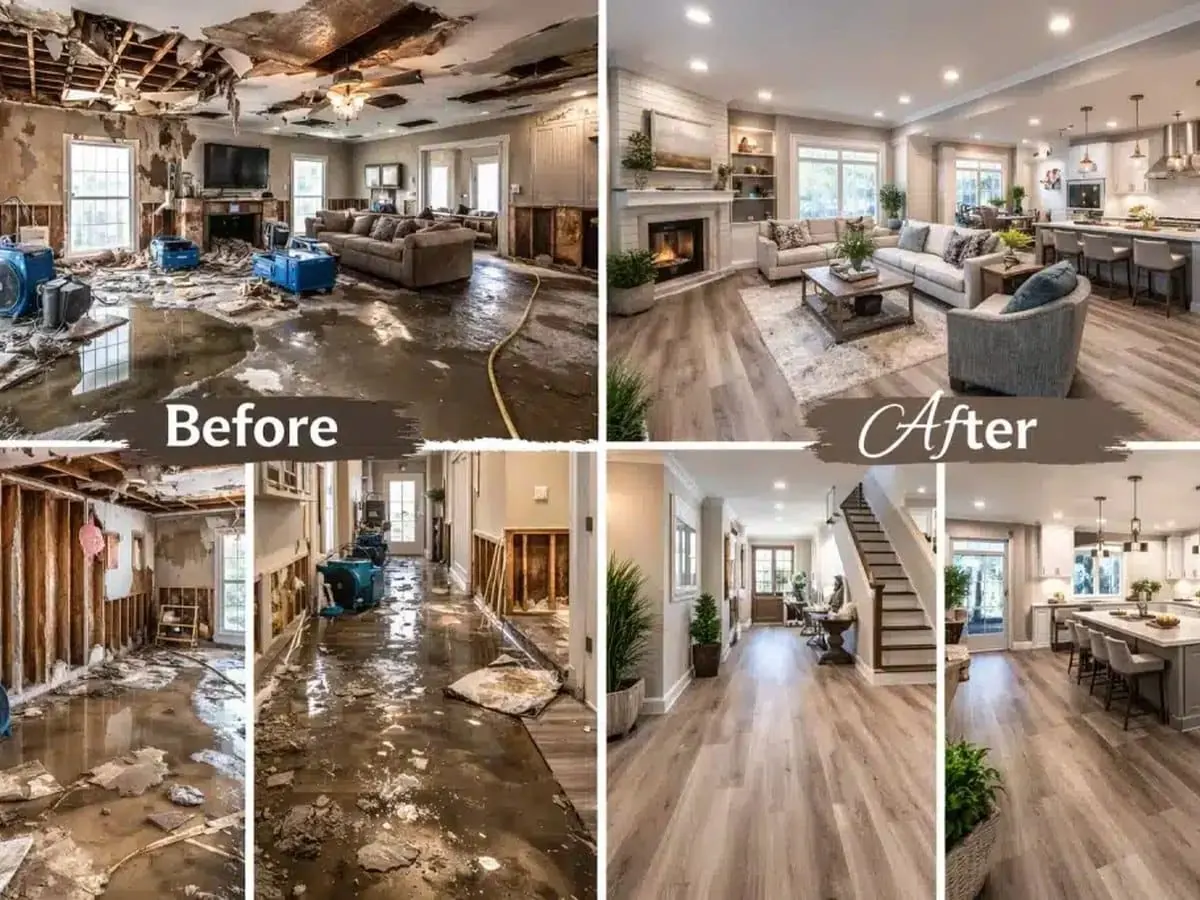 Structural DryingAir movers, dehumidifiers and moisture meters pull water out of framing, subfloor and drywall.
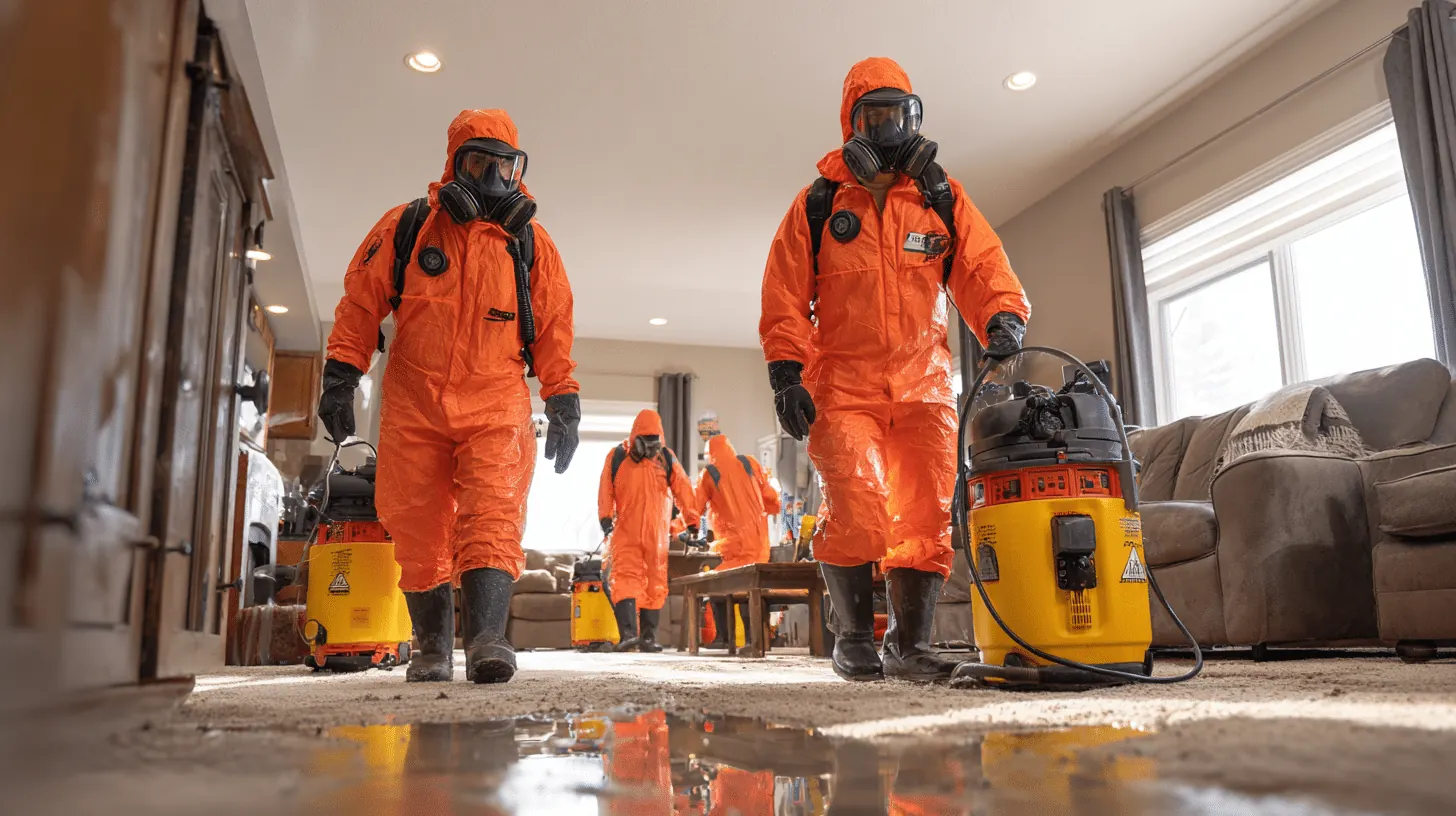 Water Damage RepairsExpert assessment, thorough restoration and full documentation.
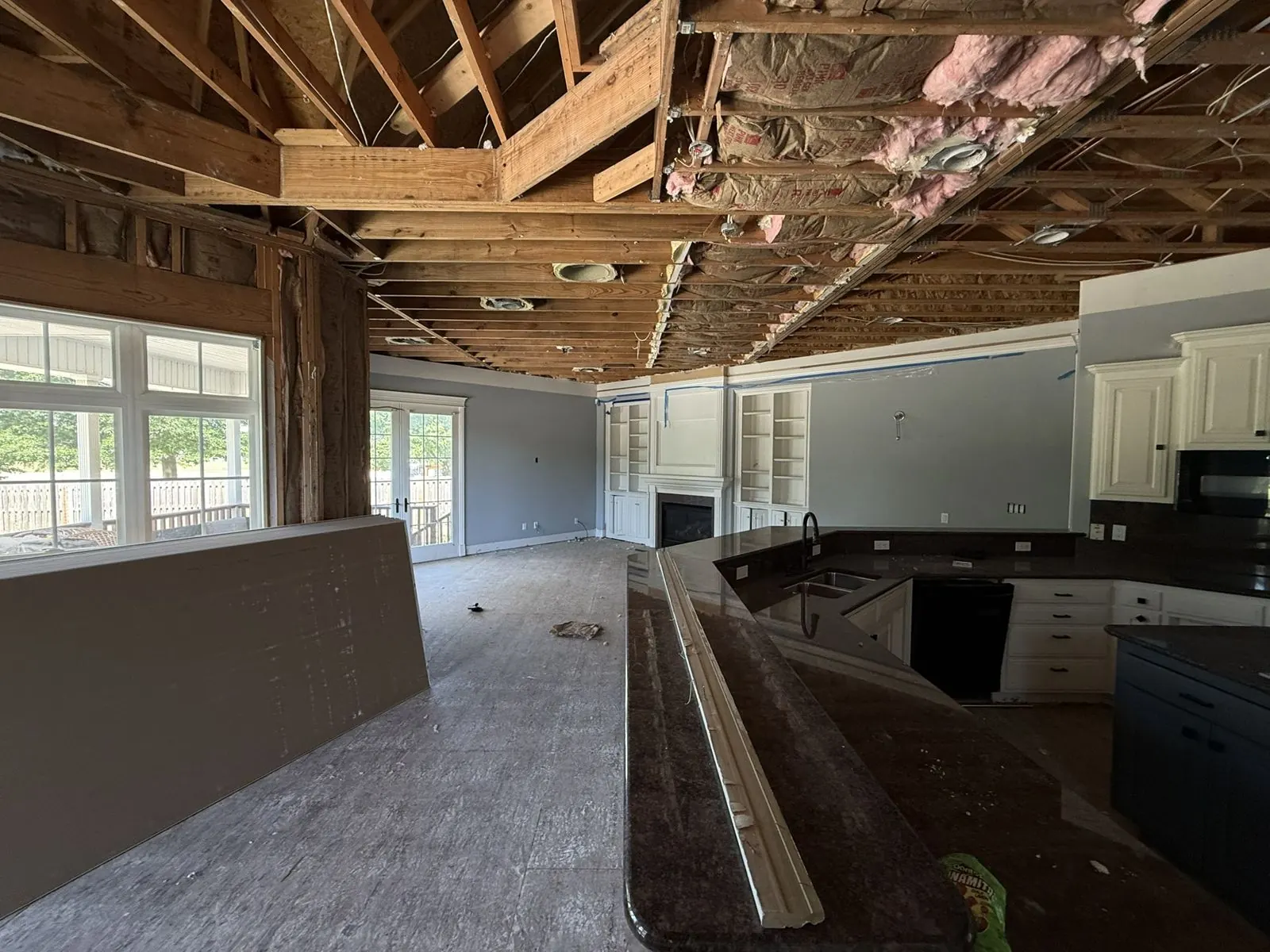 Flood Damage CleanupDebris removal, drying and disinfection after a flood.
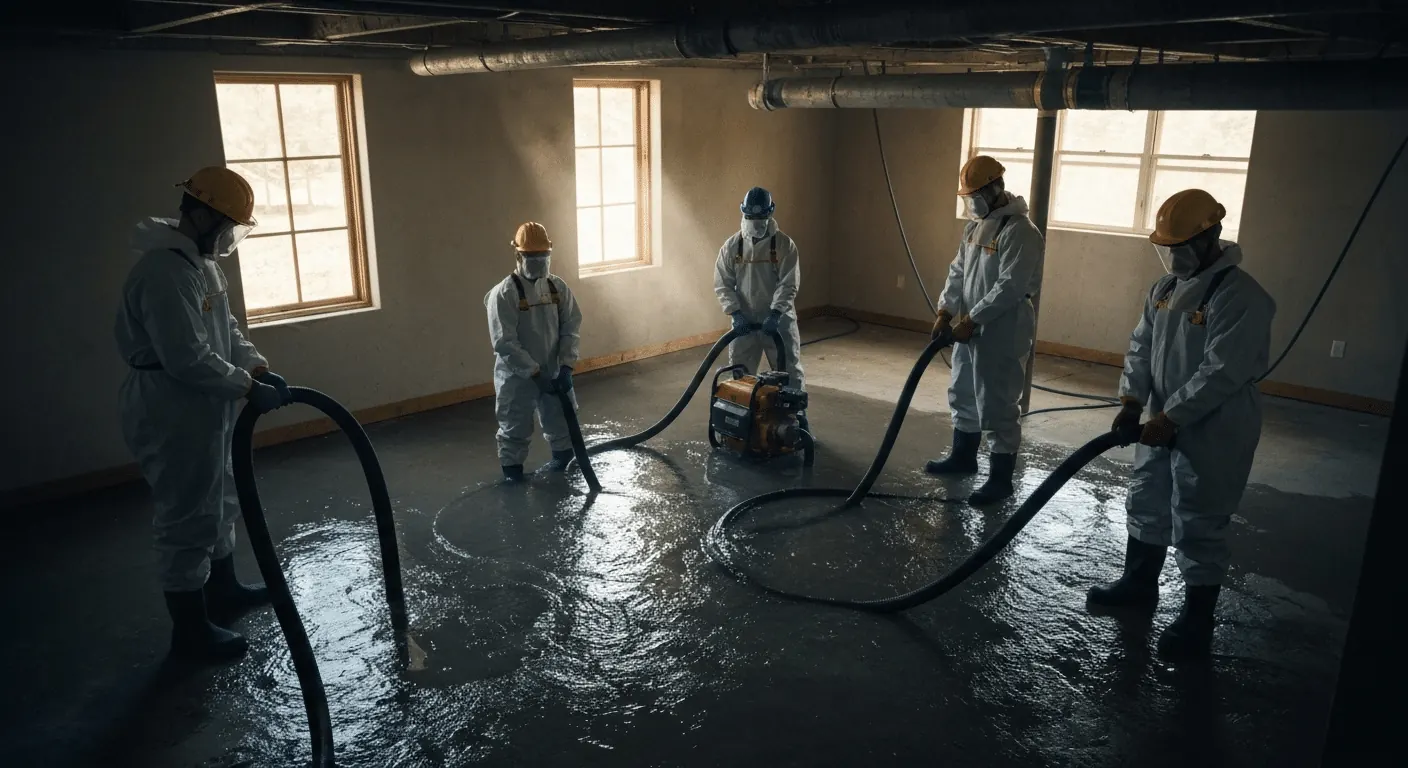 Sewage CleanupSanitization, decontamination and structural restoration.After Water DamageWhat to do in the first hour: shut-offs, photos and when to call.