
Commercial Dehumidifier Rental in Northwest Arkansas
Need commercial dehumidifier rental in Northwest Arkansas? Learn what equipment specs, costs, and timelines matter for drying commercial spaces fast.
What Commercial Dehumidifier Rental Actually Covers
Commercial dehumidifier rental in Northwest Arkansas is not the same as picking up a consumer unit from a hardware store. Rental-grade equipment is built for continuous operation in wet, high-load environments. A typical residential dehumidifier pulls 30 to 70 pints of moisture per day. A commercial unit starts at 150 PPD and can reach 300 PPD or higher in LGR (low grain refrigerant) configurations. That difference matters when you are drying a flooded retail space, a waterlogged office building, or a commercial kitchen after a pipe failure.
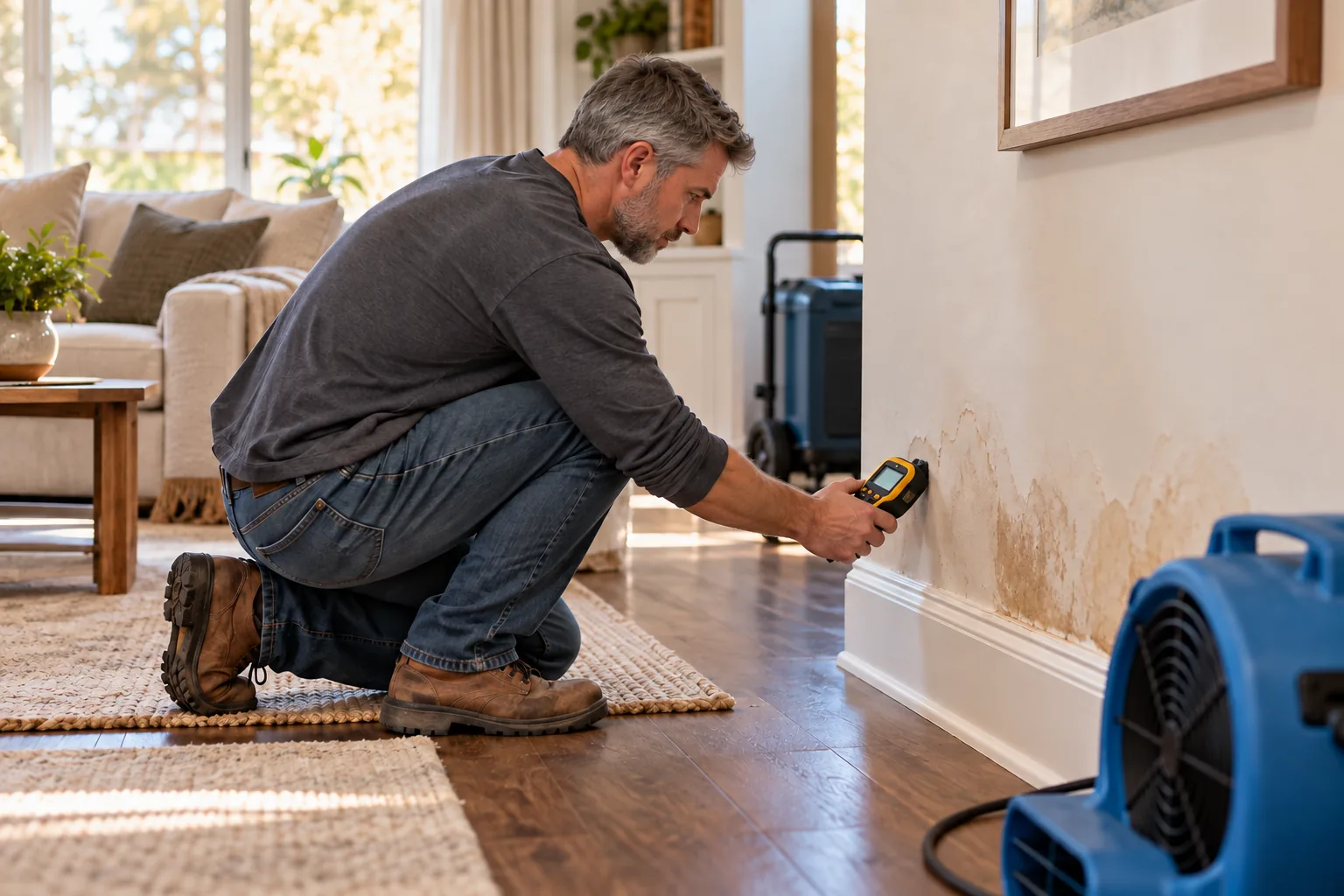
Rental contracts from equipment suppliers in Northwest Arkansas generally cover the unit itself, basic setup instructions, and pickup or delivery logistics. What they do not cover is the drying strategy. Equipment without a plan is just a machine running in a room. Moisture moves through wall cavities, subfloors, and ceiling assemblies in ways that a single unit placed in the center of a room cannot address. Without moisture readings taken at regular intervals, you cannot know whether the drying is working or stalling.
Bear handles commercial water damage drying as a managed process, not just an equipment drop. For complete coverage of the drying process, see our Industrial Dehumidifiers Rental: What You Need to Know resource. For property owners who want to understand the full scope of water removal before committing to a rental approach, reviewing our drying and dehumidification services after water damage page gives a clear picture of how professional drying differs from equipment rental alone.
Why Commercial Spaces in NWA Have Unique Drying Demands
Northwest Arkansas has a humid continental climate. Summers bring sustained heat and humidity, and the region sees significant rainfall from spring storms through early fall. According to EPA guidance on mold and moisture, mold growth can begin on wet building materials within 24 to 48 hours when relative humidity stays above 60 percent. Commercial spaces, with their larger square footage, higher ceilings, and mixed material assemblies, hold moisture longer than residential structures.
Does building type affect how many units I need?
Yes, significantly. A warehouse with a concrete slab and metal walls dries differently than an office with carpet, drywall, and drop ceilings. Concrete absorbs moisture slowly and releases it slowly. Drywall wicks water quickly but holds it inside paper facing and gypsum cores. Office furniture, insulation, and flooring underlayment all add moisture load. The number of dehumidifiers needed depends on the cubic footage of the affected area, the material types present, and the severity of saturation. A general starting point for estimating equipment need is one LGR unit per 300 to 500 square feet of heavily saturated space, but actual requirements should be determined by moisture readings taken by calibrated equipment, not square footage alone.
How does humidity in Bentonville and Rogers affect drying timelines?
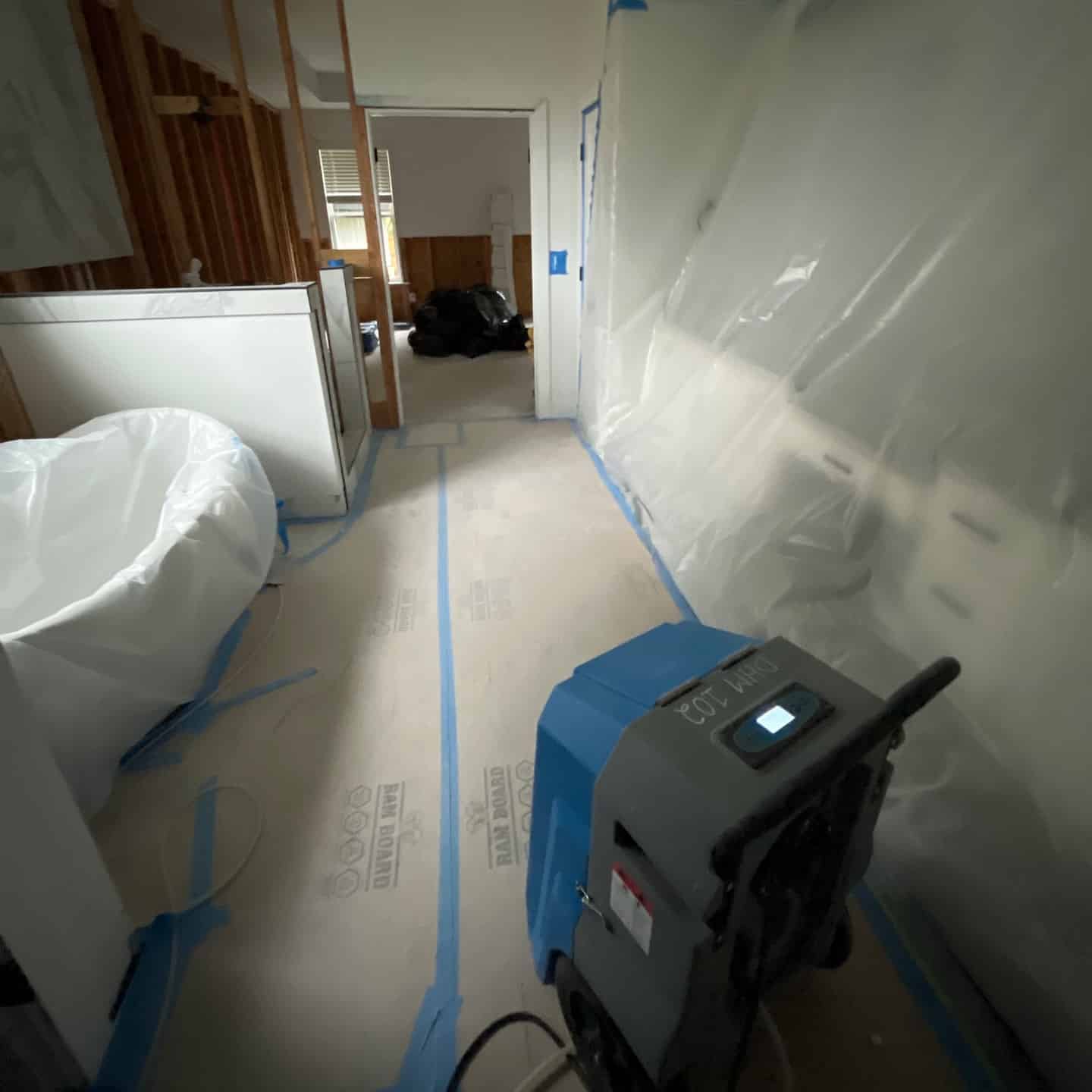
When outdoor humidity is high, dehumidifiers work harder and drying timelines extend. During summer months in Bentonville and Rogers, outdoor relative humidity can hold above 70 percent for days at a time. Running commercial dehumidifiers in a space that is not sealed from outside air forces the equipment to process both the structural moisture and the ambient outdoor humidity simultaneously. Sealing windows, doors, and HVAC returns during active drying is standard practice. It is also why rental equipment alone, without a controlled drying environment, often underperforms.
Rental Rates and What Drives the Cost
Commercial dehumidifier rental rates in Northwest Arkansas generally fall between $80 and $200 per day per unit for restoration-grade LGR equipment. Weekly rates typically run 40 to 50 percent less than the daily rate multiplied out, making a 5 to 7 day rental considerably more cost-effective than renting day by day. Air movers, which work alongside dehumidifiers to drive surface evaporation, typically rent for $25 to $50 per day each. A standard commercial drying setup for a 2,000 square foot water-damaged space might require 3 to 6 dehumidifiers and 8 to 12 air movers running continuously for 3 to 5 days.
Are there hidden costs in equipment-only rentals?
Delivery, pickup, fuel surcharges, and damage deposits are common add-ons that are not always disclosed upfront in rental quotes. Some suppliers also charge a cleaning fee if equipment is returned with heavy debris or standing water inside. If a unit fails mid-job, replacement logistics fall on the renter. These are not reasons to avoid renting, but they are reasons to read the rental agreement carefully and ask about total cost before committing. When drying is handled as part of a full restoration service, equipment costs are typically bundled into the project scope and documented for insurance submission.
What does insurance typically cover for commercial drying equipment?
Commercial property insurance policies that cover sudden and accidental water damage generally include the cost of drying equipment as part of the covered loss. This includes dehumidifier rental, air mover rental, and moisture monitoring. Documentation is required. Insurance carriers want daily moisture logs, equipment placement records, and a written drying plan showing that the scope of equipment used was appropriate for the damage. Renting equipment without that documentation can create coverage disputes. Our commercial restoration services in Rogers and Bentonville include the documentation carriers need.
When Renting Makes Sense vs. Hiring a Restoration Company
Renting commercial dehumidifiers makes practical sense in specific situations. A property manager who handles recurring seasonal humidity issues in a storage facility may find it more cost-effective to rent equipment for a predictable two-week window each summer than to call a contractor every year. A general contractor finishing a large commercial build in wet conditions may need dehumidifiers to control ambient humidity during flooring or millwork installation, a task that does not require a restoration specialist.
When does DIY drying become a liability?
Water damage that has reached wall cavities, subfloor assemblies, or insulation is not a DIY drying situation regardless of how much rental equipment is involved. Moisture trapped inside a wall that appears dry on the surface will feed mold colonies within days. Industry restoration standards, as outlined by the Institute of Inspection, Cleaning and Restoration Certification, require that drying be verified to affected structural materials, not just air humidity levels. A dehumidifier running in a room does not confirm that the wall behind the baseboard is dry. Only calibrated moisture meters and thermal imaging moisture detection do that.
For property owners in Bella Vista or Centerton dealing with water intrusion after a storm, the risk of incomplete drying is not just structural. It affects air quality, insurance coverage, and resale value. Our water damage drying and dehumidification in Northwest Arkansas post covers this in detail.
What are the signs that a rental-only approach failed?
Musty odors appearing two to four weeks after drying, soft or discolored drywall, buckling hardwood floors, and visible mold growth at baseboards are all indicators that moisture was not fully removed. By the time these signs appear, secondary damage has already begun. Mold remediation costs typically exceed original drying costs when the process starts late. Our mold removal services in Bentonville address the downstream consequences of incomplete drying, but the goal is always to dry correctly the first time.
How Bear Approaches Commercial Drying in NWA
Bear handles commercial water damage drying as a structured process with defined start and end points. The process begins with professional water damage assessment using calibrated meters and, when appropriate, thermal imaging to identify the full extent of saturation. Equipment is placed based on that data, not on a standard formula. Daily readings confirm that materials are drying toward accepted dry standard benchmarks. When they are not, the plan adjusts. Equipment is not removed until those benchmarks are met.
This is not the model most equipment rental companies follow, because they are in the equipment business, not the drying business. Bear is in the restoration business. That distinction shapes every decision made on a job site. For properties that experienced flood intrusion, our flood damage cleanup in Rogers AR covers the full scope from extraction through structural drying.
Commercial property owners in Rogers, Bentonville, and surrounding areas who need drying services that hold up to insurance scrutiny and actually resolve the moisture problem can review our Bear: What You Need to Know page to understand how the company approaches accountability on every job.
Equipment Specs Worth Knowing Before You Rent
Not all commercial dehumidifiers are equivalent. LGR units outperform standard refrigerant dehumidifiers in the drying range most relevant to water damage response, specifically in environments where temperature and humidity have been lowered by the drying process itself. Standard refrigerant units lose efficiency as the air gets drier. LGR units maintain removal rates down to lower grain levels because of their pre-cooling coil design.
Desiccant dehumidifiers are a separate category used primarily in environments below 45 degrees Fahrenheit, or in situations where materials require extremely low humidity levels for proper drying. They are less common in Northwest Arkansas commercial drying scenarios but relevant for cold storage facilities or winter water damage events.
According to FEMA flood recovery guidance, adequate ventilation and dehumidification are recommended as pri
Bear’s water damage services.
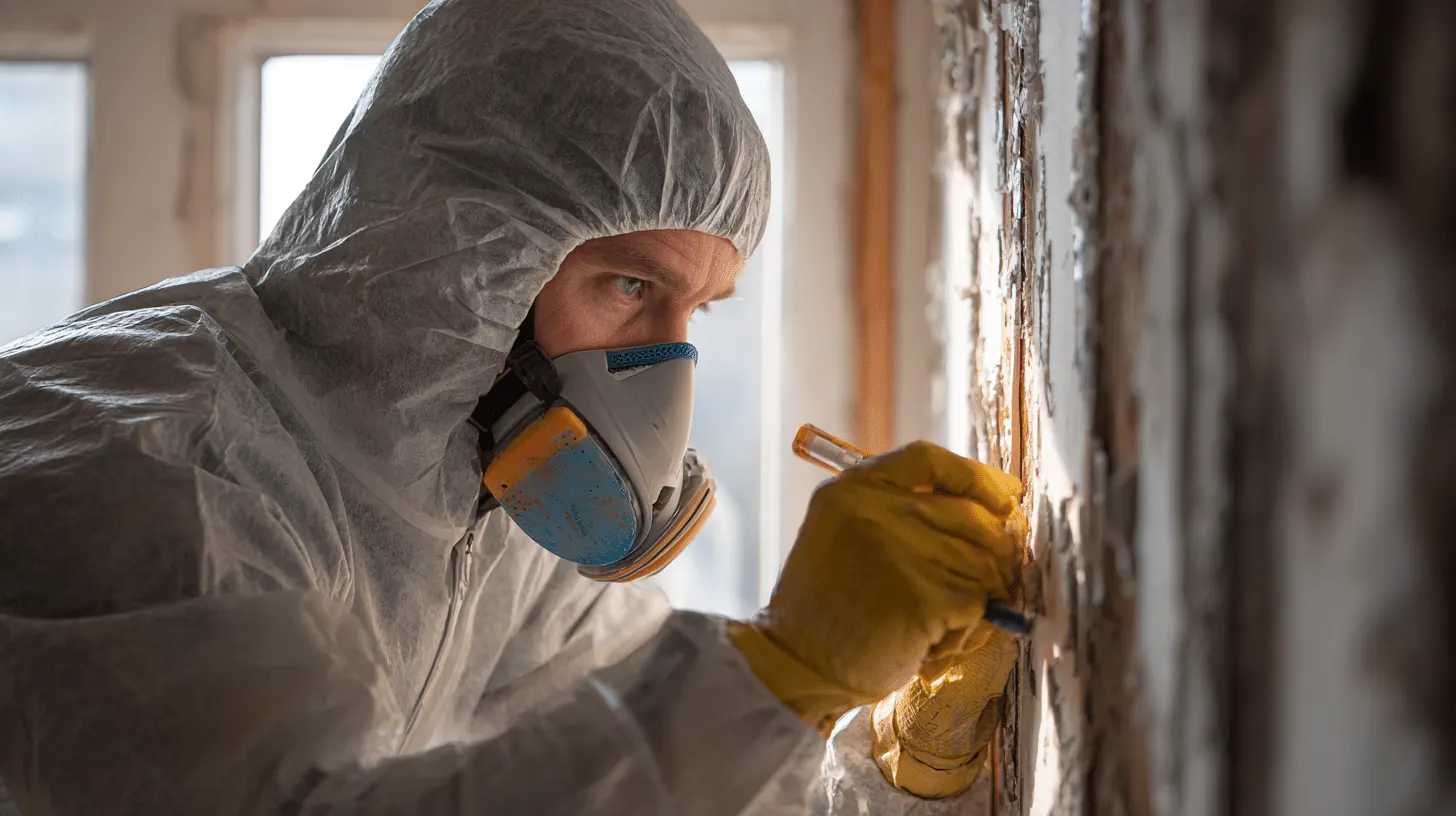 Water RemovalCommercial-duty pumps and vacuums extract water fast to limit the damage.
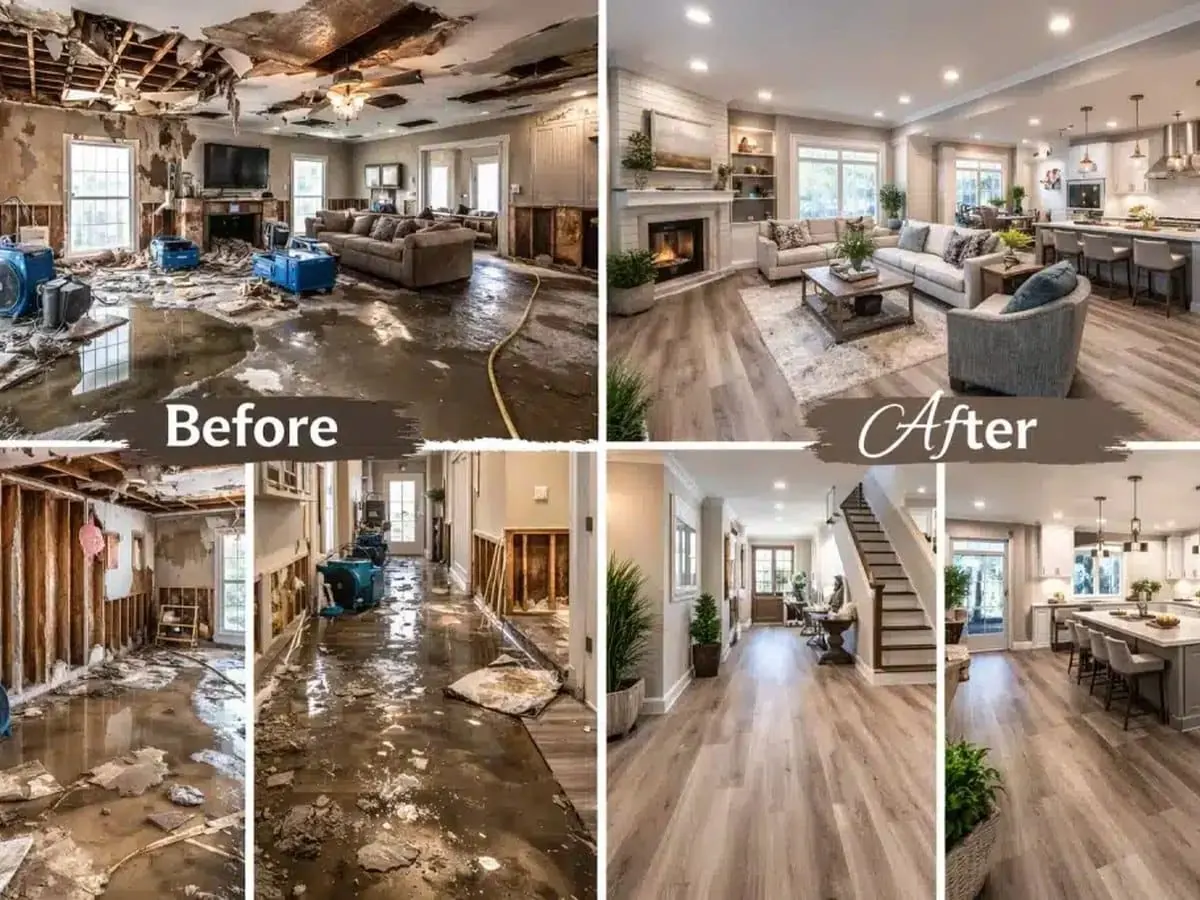 Structural DryingAir movers, dehumidifiers and moisture meters pull water out of framing, subfloor and drywall.
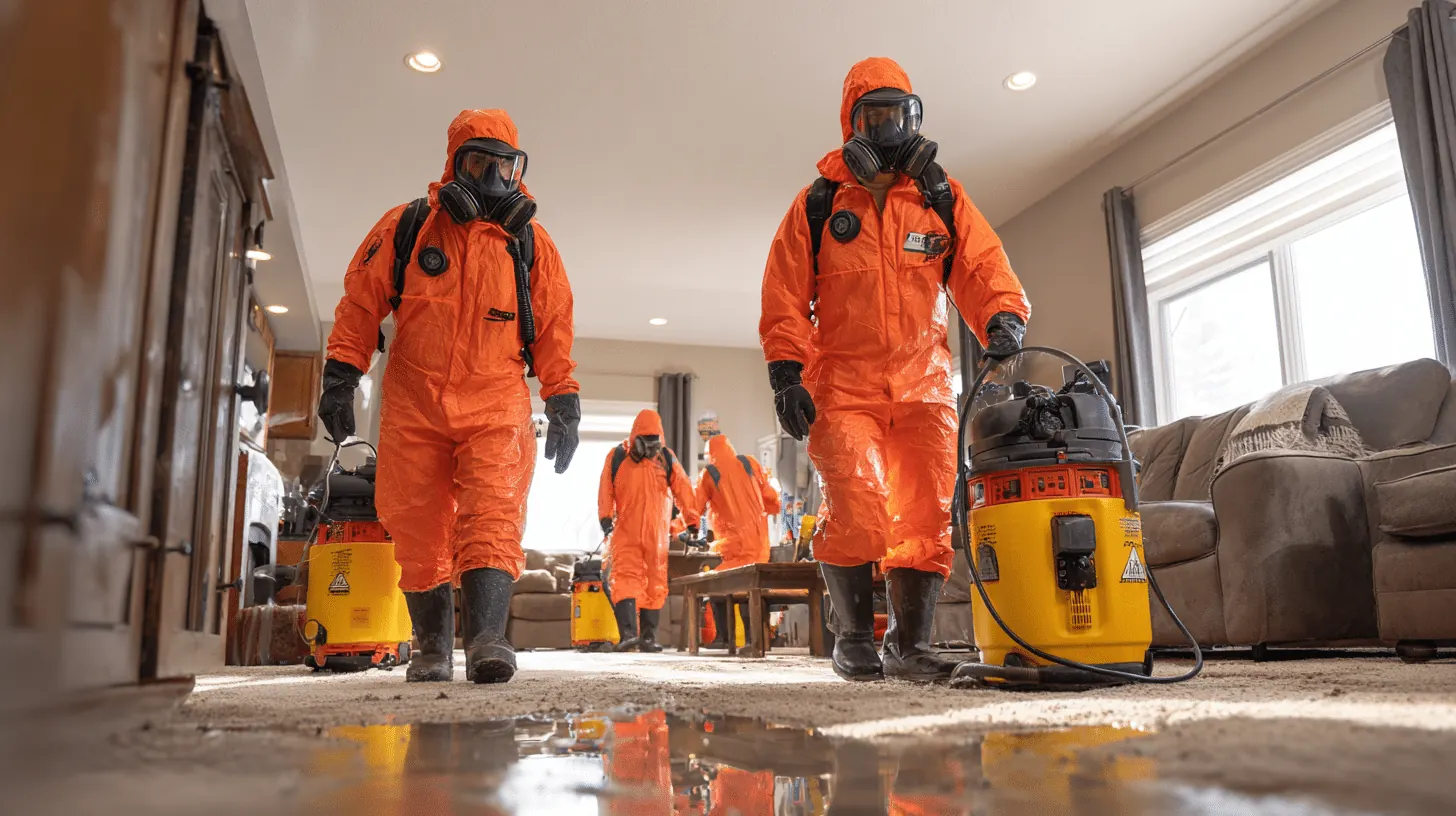 Water Damage RepairsExpert assessment, thorough restoration and full documentation.
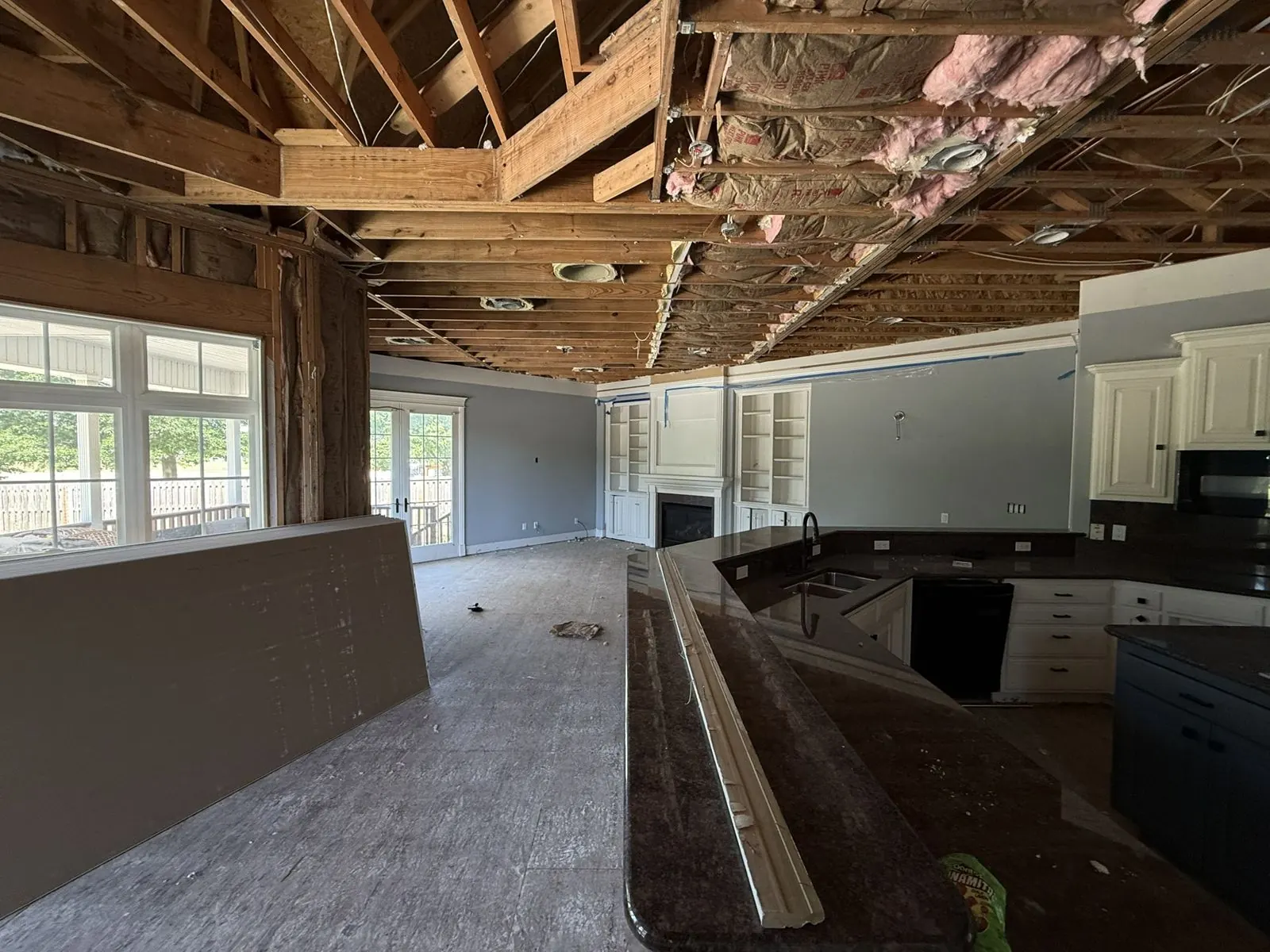 Flood Damage CleanupDebris removal, drying and disinfection after a flood.
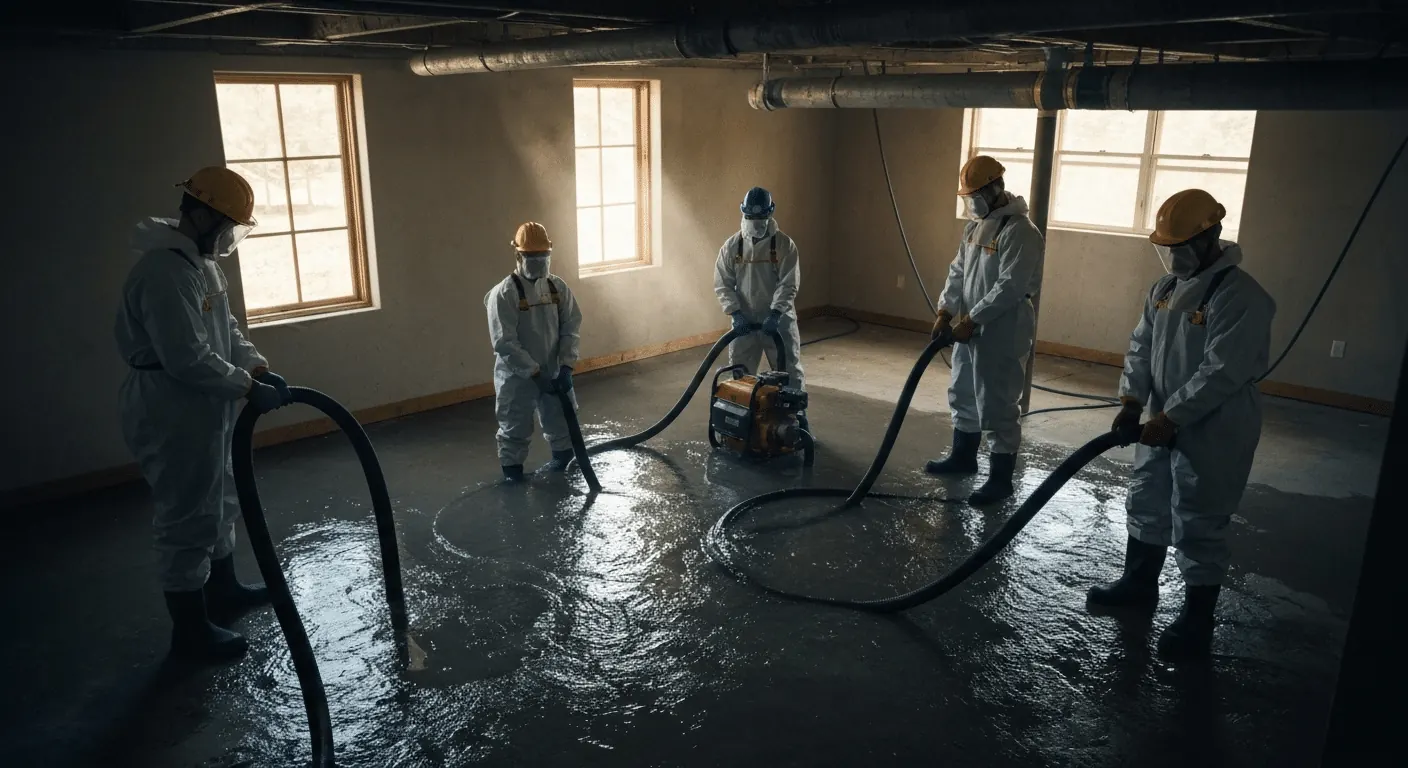 Sewage CleanupSanitization, decontamination and structural restoration.After Water DamageWhat to do in the first hour: shut-offs, photos and when to call.