
Water in your home? Here's what to do next.
A burst pipe, an overflowing appliance or a storm can put water where it doesn't belong in minutes. With water, time matters more than almost anything else, so this guide starts with the steps that protect your home right now.
Water damage gets worse by the hour
Water keeps moving after you can no longer see it, wicking up drywall, soaking into subfloors and settling under cabinets. The sooner drying starts, the more of your home can be saved instead of replaced.
Stay safe and stop the water
Make the home safe, then stop more water from coming in.
- Keep people and pets away from standing water until you know the power is safe.If the breaker panel is dry and you can reach it without standing in water, switch off power to affected areas. If not, stay out and call the utility company or an electrician.
- Shut off the main water valve if the water is coming from a pipe, fixture or appliance.Then turn off the water supply valve to the appliance that failed, if you can find it.
- Watch the ceilings.A ceiling that's sagging or bulging can hold a lot of water and may collapse. Stay out from under it, and don't turn on ceiling lights or fans in wet areas.
- Avoid contact with dirty water.Water from sewage backups or outdoor flooding can carry bacteria. Wear gloves and boots, and keep children and pets away (see the three kinds of water below).
- Call your insurance company to report the damage and get a claim number.Write down the date, time and the name of everyone you speak with.
Not all water damage is the same
Restoration professionals sort water into three categories, because where it came from determines what can be dried and saved, and what has to be removed.
Clean water
From a supply source, like a burst pipe or a broken supply line. Usually the most salvageable, if drying starts quickly.
Can become contaminated the longer it sits.
Gray water
Carries some contamination, like overflow from a washing machine, dishwasher or toilet without waste. Needs cleaning as well as drying.
Some soft materials may need to be removed.
Black water
Seriously contaminated, like sewage backups or floodwater from outside. Avoid contact, and leave cleanup to trained professionals.
Porous materials it touches usually must be removed.
Protect your home and document everything
This is the window that decides how much can be saved. Get drying started, and record the damage before it's cleaned up.
- Photograph and video everything before cleanup starts.Standing water, wet walls and floors, water lines on furniture, and the source of the leak. Narrate the video as you go.
- Save the part that failed.A burst supply line, a cracked fitting or a failed water heater valve may be important evidence for your claim. Don't throw it away.
- Move belongings out of wet areas.Lift furniture onto blocks or foil squares, pick up rugs, and move photos, papers and electronics to a dry place. Hang curtains up off the floor.
- Get professional drying started as soon as possible.Fans and open windows help, but water hidden inside walls, under floors and beneath cabinets needs professional moisture readings and drying equipment.
- Don't use a household vacuum on water, and don't turn up the heat to dry things out.Warmth without proper airflow and dehumidification can speed up mold growth.
- Don't throw away damaged items yet.Keep them until they've been documented and your insurance company tells you it's OK to dispose of them.
- Keep every receipt for emergency repairs, supplies and drying.Most policies expect you to take reasonable steps to prevent further damage.
Make a plan
With drying underway, take time to understand your coverage and your options before big decisions get made.
- Ask your insurance company for a complete copy of your policy, including the declarations page.That's the document that lists your coverages and limits, so you know exactly what you bought.
- Ask how your policy treats the kind of water you had.Policies often treat a sudden burst pipe differently from a slow leak, a sewer or drain backup, or flooding from outside. Standard homeowners policies typically don't cover outside flooding, which usually requires separate flood insurance. Ask your insurer which applies to you.
- Ask about every coverage you may have.Repairs to the home, damaged belongings, living expenses if the home isn't livable during repairs, and any limits on mold. Ask about deadlines, too.
- Start a list of damaged belongings, room by room.Photos, receipts and online order history can help support values.
- Start a claim journal.Date, name, what was said and what was promised, for every call and visit. Follow up important conversations by email.
- Choose your own contractor.Many homeowner policies let you choose who dries and repairs your home. If your insurer recommends a company, you can usually still pick your own; ask to confirm what your policy says.
Dry out, then restore
Water recovery happens in stages. Knowing what's coming makes each one easier.
Extraction and drying
Removing standing water, then drying the structure with air movers and dehumidifiers. Drying is usually measured in days, and progress should be tracked with moisture readings.
Removing what can't be saved
Wet carpet pad, the lower section of drywall, insulation and some flooring may need to be removed so the structure can dry and mold doesn't take hold.
The adjuster's inspection and estimate
Your insurer's adjuster reviews the damage and writes an estimate. Your photos, the failed part and drying records all help tell the full story.
Repairs and rebuilding
Drywall, flooring, cabinets, paint and finishes. Sometimes hidden damage is found once walls are opened, and that should be documented and added to the claim.
For a deeper look at how claims, estimates and supplements work, read our Insurance Claims Guide.
Protecting your family's interests
Your insurance company has its own team working on your claim. It's important that someone is looking out for your family too, and that starts with understanding the process.
Know who works for whom
The adjuster assigned to your claim works for your insurance company. Most are professional and fair, but their job is to represent the insurer. Your job is to understand your policy and make sure the damage is fully documented.
Make sure drying is complete
Ask for moisture readings and drying records. Closing up walls or laying new flooring before materials are truly dry can trap moisture and lead to mold later.
The first estimate is rarely the whole picture
Water travels under floors, behind cabinets and inside walls, and some damage only shows up once repairs begin. Ask how additional damage found later will be handled.
You don't have to decide on the spot
Take time to read any estimate or settlement offer, ask questions, and understand what's included before you sign. Ask for estimates in writing, line by line.
Be careful who you sign with
Be cautious with anyone who pressures you to sign right away, asks for a large payment up front, or isn't licensed and insured. Take time to check references.
If you disagree, you have options
Ask your insurer to explain its decision in writing and to reinspect. The Arkansas Insurance Department's Consumer Services Division (501-371-2640) can help, and you may want to talk with an attorney. In Arkansas, public adjusters can't represent homeowners.
As soon as you can
With water, earlier truly is better. Every hour that materials stay wet adds to the damage, and the first day or two often decides what can be dried and saved.
Bear has helped Northwest Arkansas families through water damage of every size, from a leaking supply line to a flooded basement. Our IICRC-certified technicians handle the drying, our former insurance adjusters know how the process works, and because we're builders, the same team can restore everything afterward. We can help you:
- Extract water and set up professional drying, day or night
- Find hidden moisture with meters and thermal imaging
- Document the damage and the drying, start to finish
- Understand the insurance process and meet your adjuster with you
- Repair and rebuild, with one team from start to finish
A call is simply a conversation. There's no obligation, and you're never pressured to sign anything.
Answered day or night by a real person.
Read the Insurance Claims Guide
After a fire: what to do next
Our restoration services
Who else can help
501-371-2640
More water damage services.
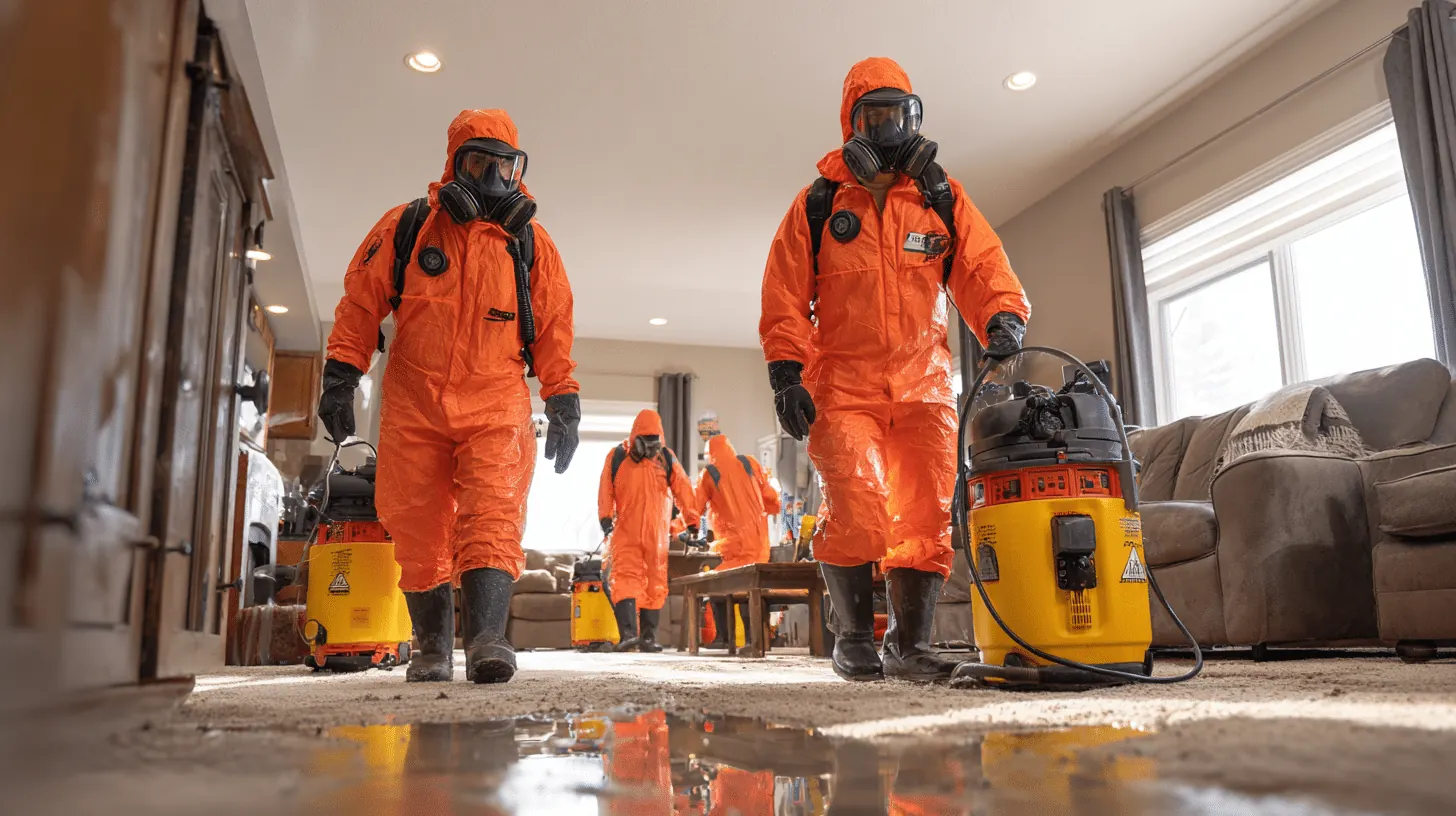
 Water RemovalCommercial-duty pumps and vacuums extract water fast to limit the damage.
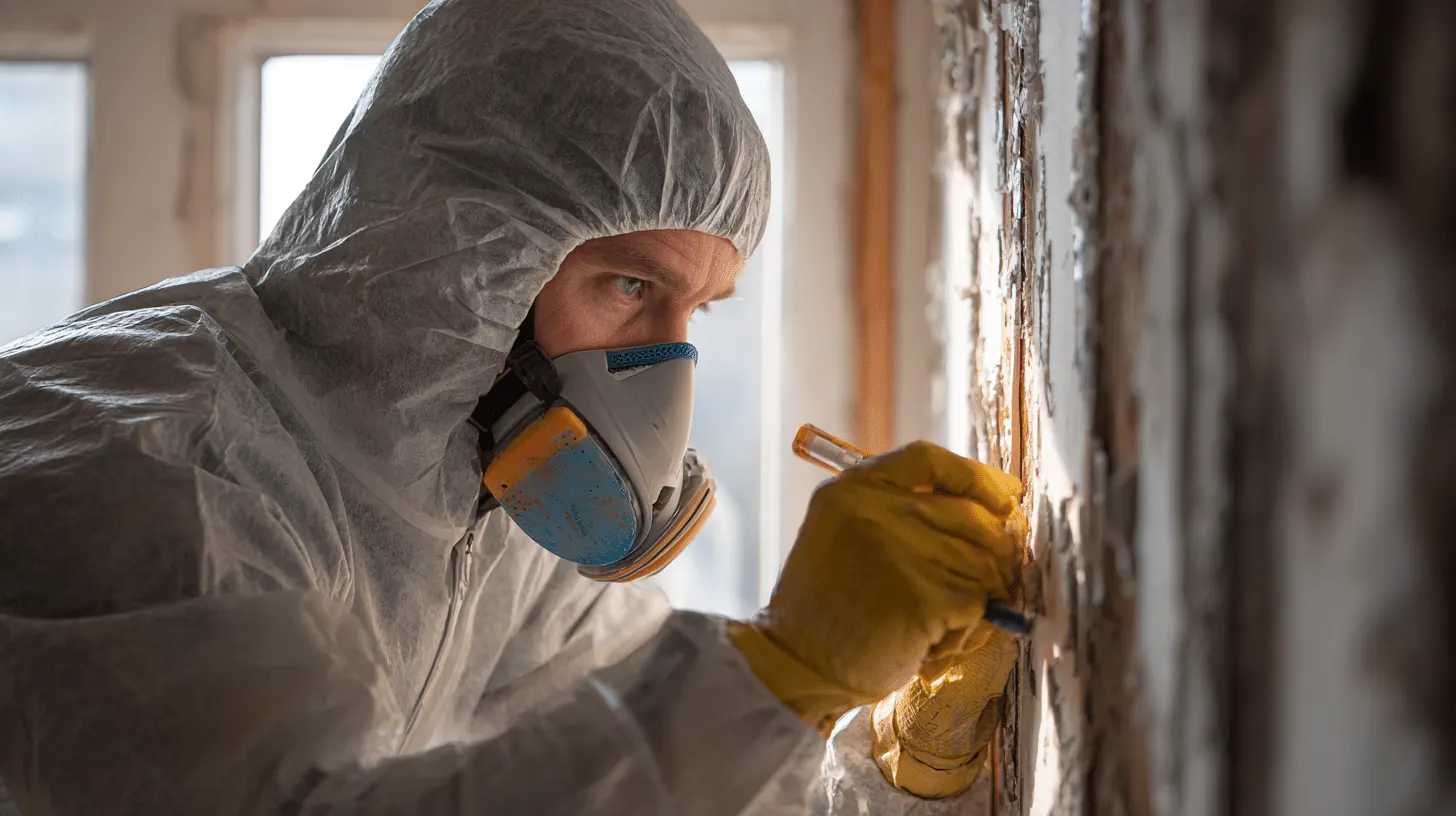
 Structural DryingAir movers, dehumidifiers and moisture meters pull water out of framing, subfloor and drywall.
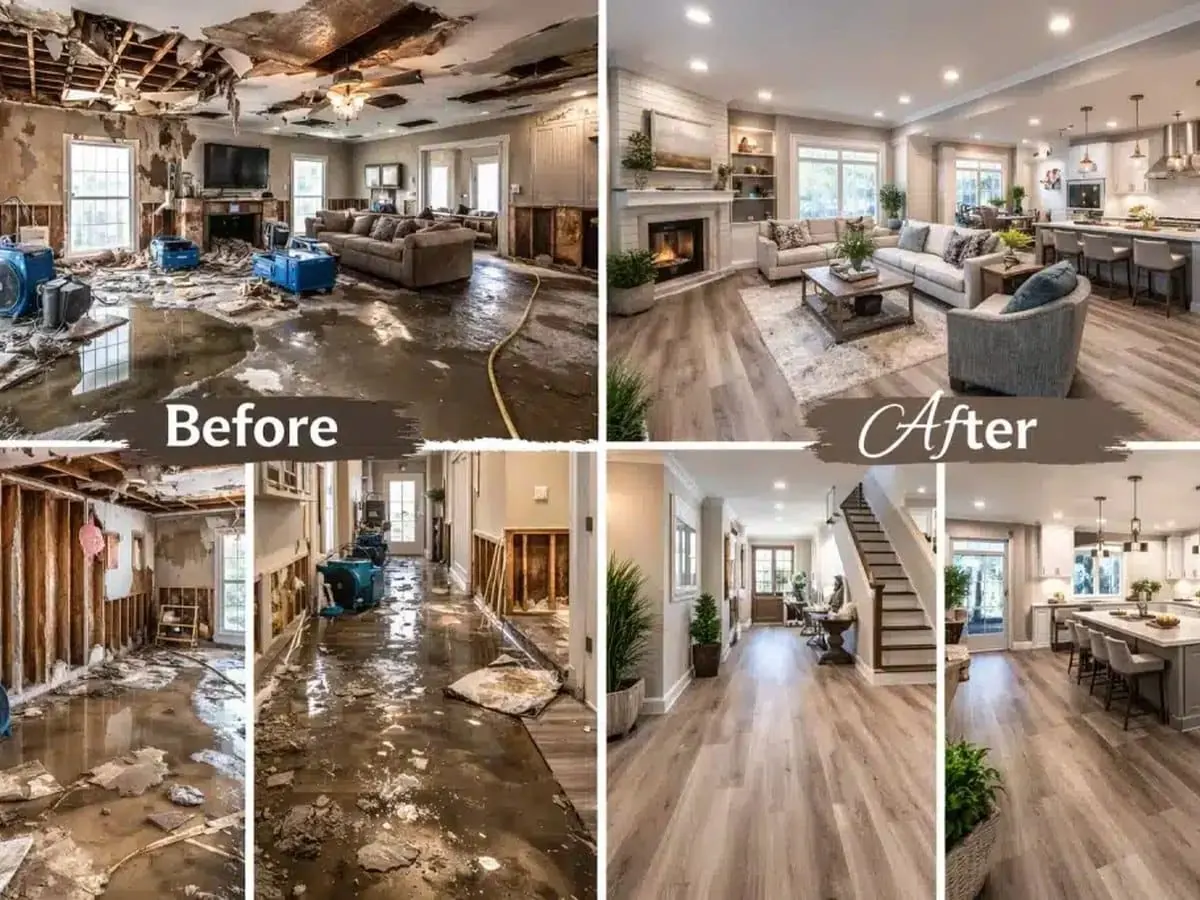
 Water Damage RepairsExpert assessment, thorough restoration and full documentation.
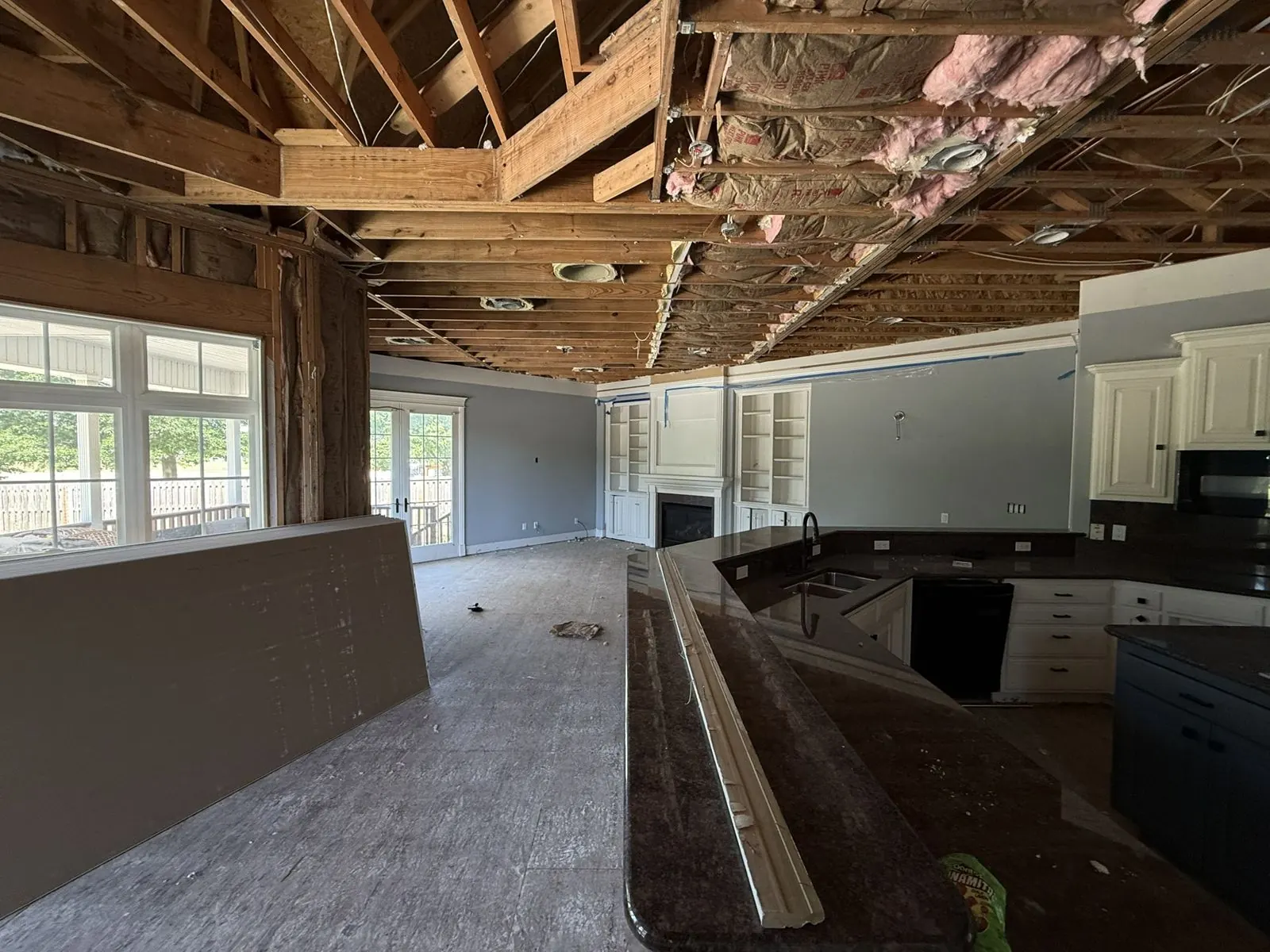 Flood Damage CleanupDebris removal, drying and disinfection after a flood.
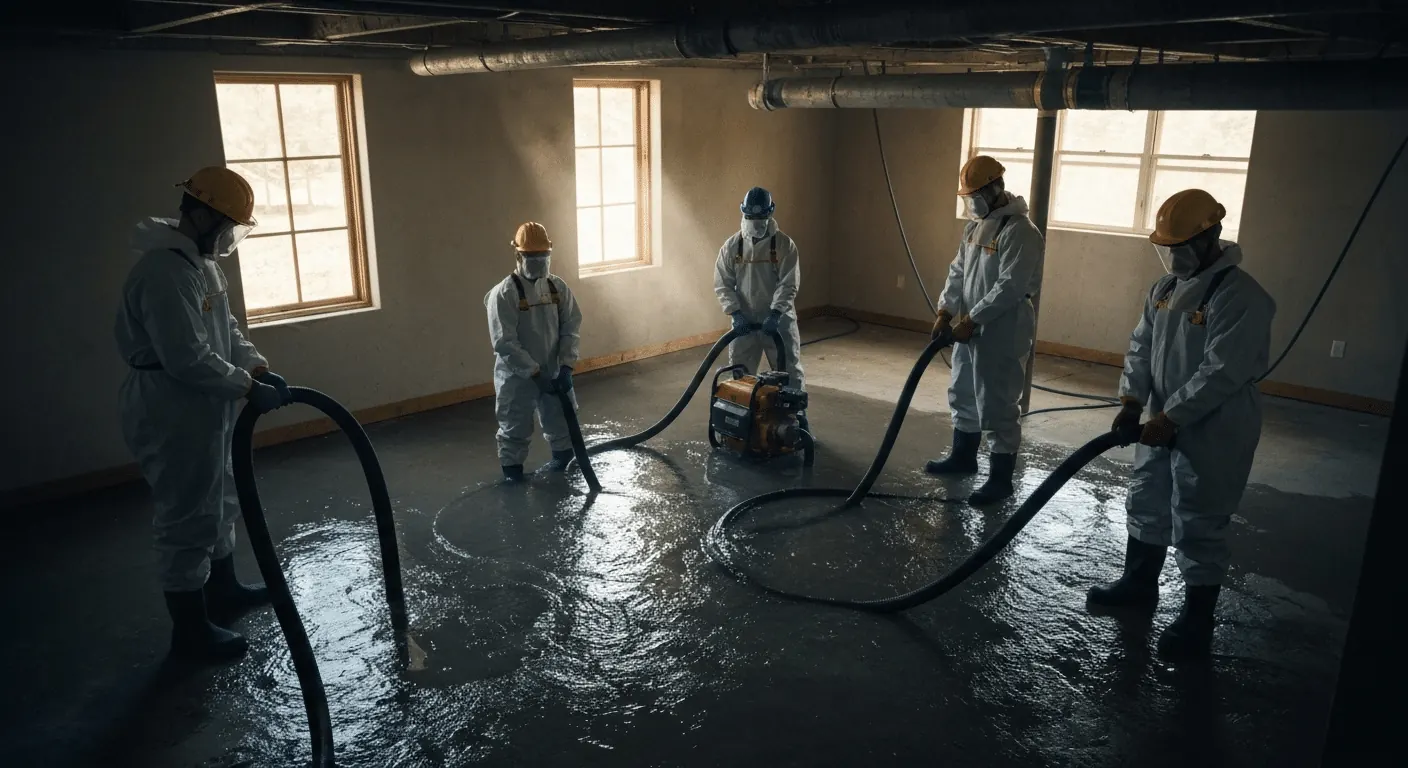 Sewage CleanupSanitization, decontamination and structural restoration.
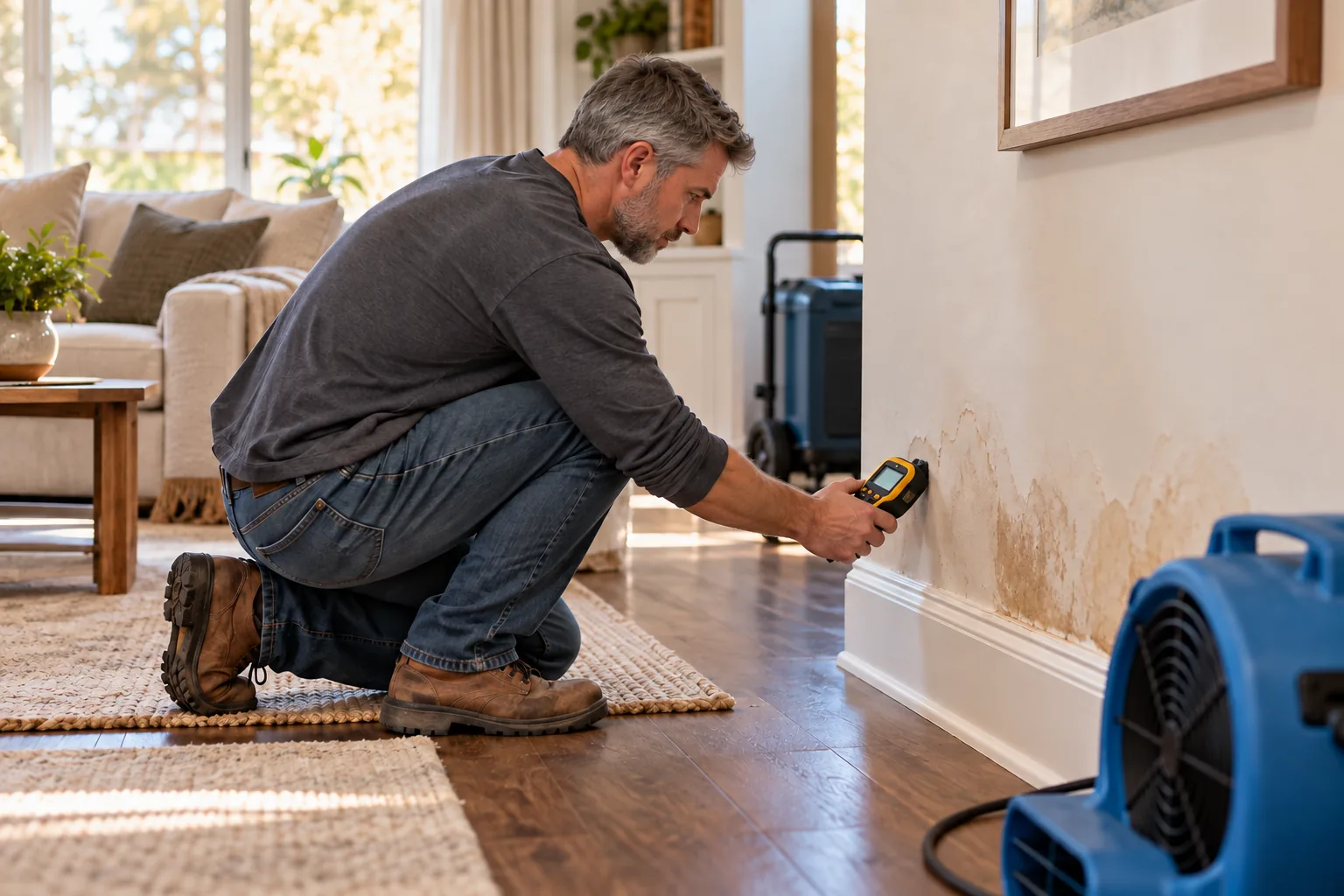 Water Damage overviewEvery water damage service Bear offers, and how they fit together.