
Dehumidifier Rental Cost for Flood Cleanup Explained
Find out what dehumidifier rental costs for flood cleanup, what factors affect pricing, and when professional equipment makes a real difference.
What Dehumidifier Rental Actually Costs After a Flood
After a flood, most homeowners are focused on one thing: getting their home dry before the damage spreads. Renting a dehumidifier seems like the straightforward move. But the cost varies more than most people expect, and picking the wrong unit can mean days of wasted rental fees with minimal results.
For a standard residential-grade dehumidifier, you can expect to pay roughly $50 to $75 per day through a general equipment rental company. These units are fine for humidity control in normal conditions, but flood situations are not normal. A soaked subfloor, saturated drywall, and standing water require units that process 150 pints per day or more. That level of capacity pushes rental rates to $100 to $200 per day per unit, and most flooded spaces need more than one.
When you factor in the number of units, the number of days, and delivery or pickup fees where applicable, a DIY rental approach for a moderately flooded home can run $600 to $2,000 or more over the course of a week. That is before you account for whether the drying actually worked. If it did not, you are looking at mold removal costs on top of everything else.
Bear works with these cost realities every week in Northwest Arkansas. Knowing when rental is the right call and when full professional drying makes more financial sense is part of honest advice, not a sales pitch.
How Unit Capacity Shapes Your Rental Budget
For complete coverage, see our Industrial Dehumidifiers Rental: What You Need to Know resource on industrial dehumidifier options for Arkansas properties.
Capacity is measured in pints of moisture removed per day. It is the most important number when you are selecting equipment for flood cleanup. A 50-pint unit works for routine humidity control. It does not work for structural drying after a pipe burst or a rising water event.
What capacity range do I actually need for a flooded room?
Industry restoration standards generally call for large-capacity commercial dehumidifiers, typically 150 to 250 pints per day, for flood drying situations. The IICRC, the Institute of Inspection Cleaning and Restoration Certification, sets the professional standards for water damage drying, and those standards are built around achieving specific moisture levels in materials, not just making the air feel dry. One 70-pint consumer unit running in a soaked 1,200-square-foot basement will not meet those benchmarks. You will need multiple units or one large commercial unit to dry efficiently.
How does more capacity affect the total rental cost?
Counterintuitively, renting higher-capacity equipment often saves money. A 200-pint commercial unit rented for three days may cost $450 total. Three 70-pint units rented for seven days could cost $1,050 or more. The faster you hit target moisture levels, the shorter your rental window, and the lower your risk of secondary damage that creates additional costs. Speed matters. So does getting the right equipment from the start. Homeowners handling flood damage cleanup who underestimate this often pay twice.
What Factors Drive the Price Up or Down
Rental rates are not fixed. Several variables affect what you will actually pay, and understanding them helps you budget more accurately before you make a call.
Does the source of the rental affect the price?
Yes, significantly. General equipment rental companies like regional chains stock dehumidifiers, but their units often skew toward the lower capacity range. Restoration contractors who rent equipment separately sometimes offer higher-capacity units, though availability varies. If you are going through a full-service restoration company, equipment cost is usually bundled into the overall service quote rather than broken out as a line item.
Does the type of flood change what I need to rent?
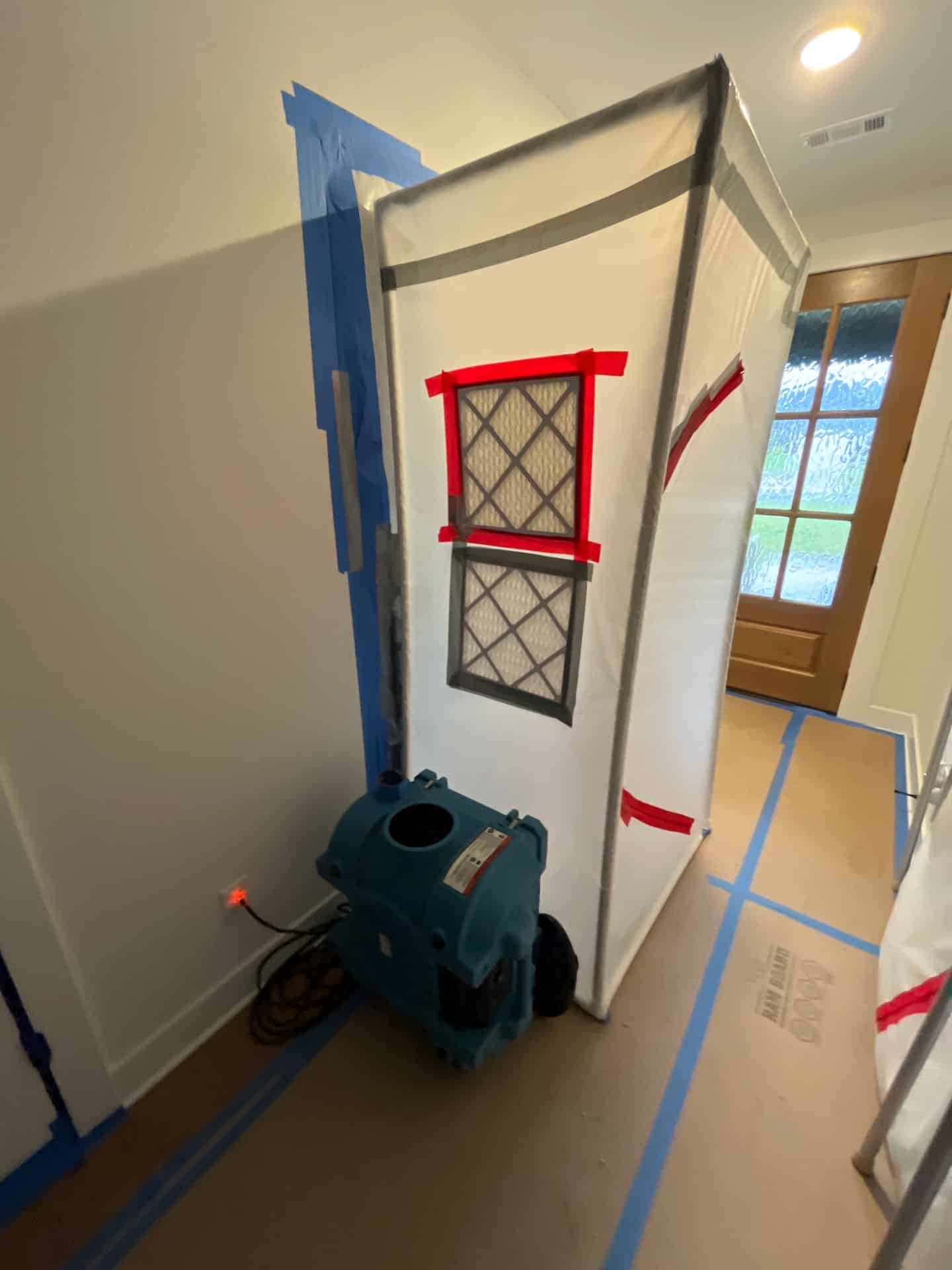
Water source matters. Clean water from a burst supply line dries differently than water from a backed-up sewer or storm runoff. Contaminated water events require more than dehumidification. They require sanitization before you start the drying process. If your situation involves sewage or gray water, read up on proper sewage cleanup and sanitization protocol before you place equipment in the space. Running a dehumidifier in an unsanitized contaminated area can spread particulates rather than helping.
When to Rent Versus When to Call a Restoration Company
This is the honest version of the conversation most homeowners do not get from equipment rental counters. Renting makes sense in limited situations. Calling a restoration company makes sense in most flood situations.
What situations are actually appropriate for DIY dehumidifier rental?
Small, isolated moisture events with no structural penetration. A minor appliance leak caught within hours, a spill on a concrete floor, or surface-level condensation buildup. In these cases, a rented unit and a fan may handle the job. According to EPA guidance on mold and moisture, materials that have been wet for more than 24 to 48 hours carry a real mold risk, so even these situations require fast action.
When does DIY rental become the more expensive choice?
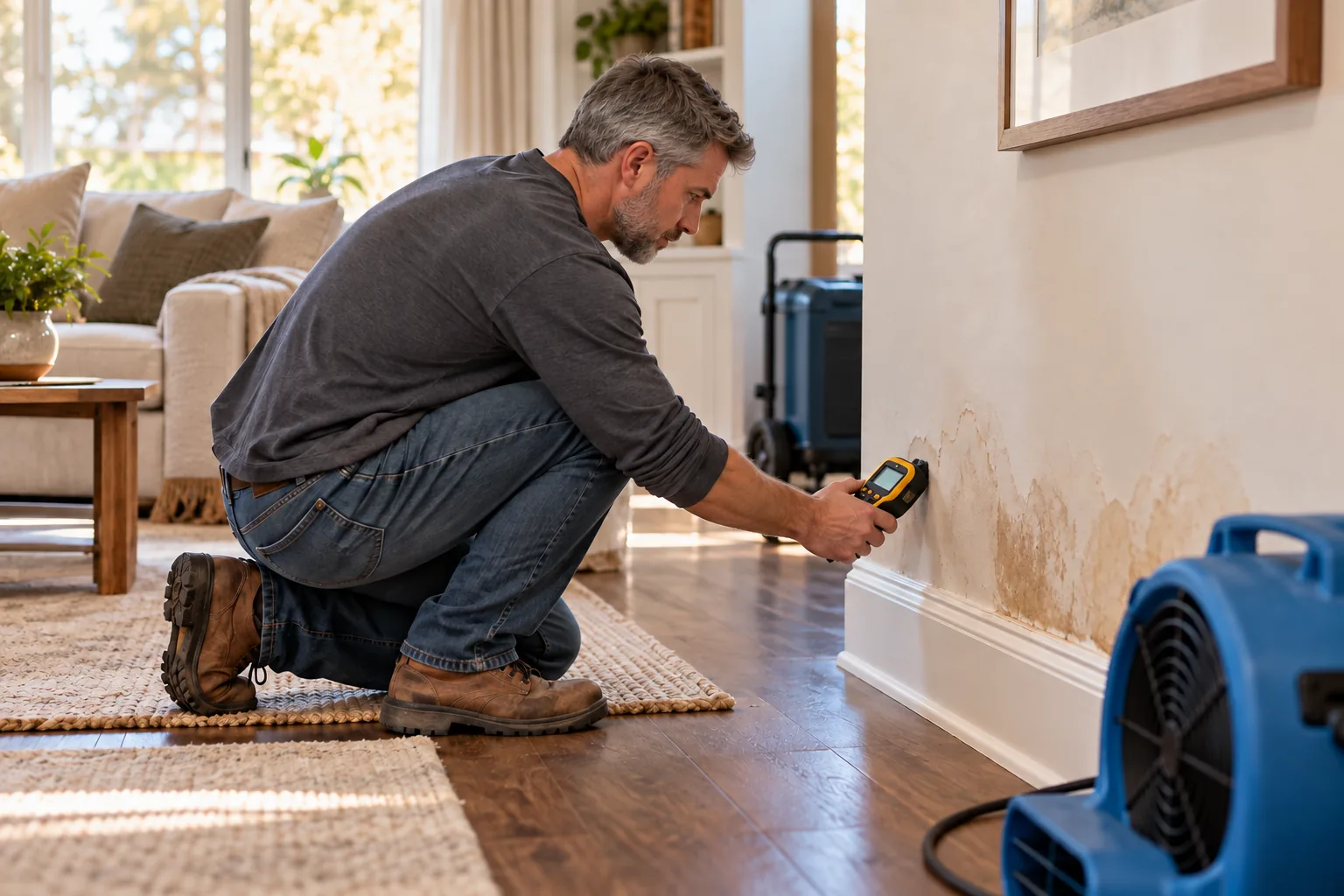
When water has penetrated drywall, subfloor, insulation, or framing. When you cannot verify moisture levels in wall cavities without a meter. When the affected area is more than one or two rooms. In these cases, under-drying is the real risk, and under-drying leads to mold, warped floors, and structural rot that costs far more to fix than the original water event. Professional water damage restoration includes moisture mapping, equipment calibration, and documentation, which rental alone does not provide.
How Insurance Claims Affect Dehumidifier Rental Costs
If you are filing a homeowners insurance claim, how you handle equipment matters. Insurance carriers generally expect documentation of the drying process. That means moisture readings, equipment logs, and records of when drying started.
Will insurance cover dehumidifier rental costs?
Many homeowners policies cover water damage mitigation, including equipment rental, when the damage is from a covered peril. The documentation requirement is where DIY rental gets complicated. Carriers want evidence that the drying met acceptable standards. A receipt from an equipment rental company is not the same as a certified drying log. Working with a licensed restoration contractor gives you a defensible paper trail that a rental receipt simply cannot provide. Our water damage drying and dehumidification process includes the documentation that insurance adjusters expect.
What should I tell my insurance company before I rent equipment?
Call your adjuster first. Some carriers require you to use a contractor from their preferred vendor list, or they may want to send an adjuster before mitigation begins. Starting before you get that guidance could affect your claim. This is one area where moving fast without communicating first can cost you coverage you are entitled to.
Mold Risk and the Real Cost of Slow Drying
The reason drying speed matters is not just comfort. Mold can establish in wet building materials in as little as 24 to 48 hours under the right temperature conditions. Northwest Arkansas summers create exactly those conditions. A dehumidifier that removes 50 pints per day in a space that needs 200 pints per day of extraction is not preventing mold. It is just slowing the process slightly.
According to FEMA’s guidance on flood recovery, prompt and thorough drying is one of the primary actions homeowners should take to prevent secondary damage after flooding. That guidance applies whether the event was a storm surge, a burst pipe situation, or slow structural water intrusion. The timeline is the same regardless of the source.
If mold does establish, you are no longer looking at a drying cost. You are looking at a remediation cost, and that category is both more expensive and more disruptive. Our home reconstruction after water damage work in Northwest Arkansas frequently begins with situations that started as manageable drying jobs that were not handled fast enough.
Frequently Asked Questions
How Much Does It Cost to Rent a Dehumidifier for a Week?
A week-long rental for a commercial-grade dehumidifier typically runs between $500 and $1,400 depending on unit capacity and the rental source. Lower-capacity residential units cost less per day but often extend the drying timeline, which keeps costs accumulating. For flood cleanup specifically, higher-capacity units are almost always the more cost-effective choice when you factor in total drying time and the risk of secondary damage.
How Many Dehumidifiers Do I Need for a Flooded Basement?
That depends on the size of the space and the severity of saturation. A general starting point from restoration practice is one large commercial unit per 500 to 800 square feet of heavily affected area, but moisture meter testing should drive that decision. Visible water is only part of the picture. Moisture inside walls and under flooring requires targeted equipment placement that a meter reading helps determine.
Can I Use a Regular Home Dehumidifier After a Flood?
A standard home dehumidifier, rated at 30 to 50 pints per day, is not built for flood recovery. It will run continuously, wear out quickly, and not remove moisture fast enough to prevent secondary damage in most flood scenarios. Using one for minor moisture events is reasonable. Using one as your primary drying strategy after a significant water intrusion is not likely to produce adequate results.
How Long Does It Take to Dry Out a Flooded Room?
Professional drying timelines for a moderate water event typically run three to five days with properly sized equipment. Heavily saturated materials, including concrete slabs, dense insulation, and multi-layer flooring assemblies, can take longer. Rushing the process by pulling equipment too early is a common mistake that lead
Bear’s water damage services.
 Water RemovalCommercial-duty pumps and vacuums extract water fast to limit the damage.
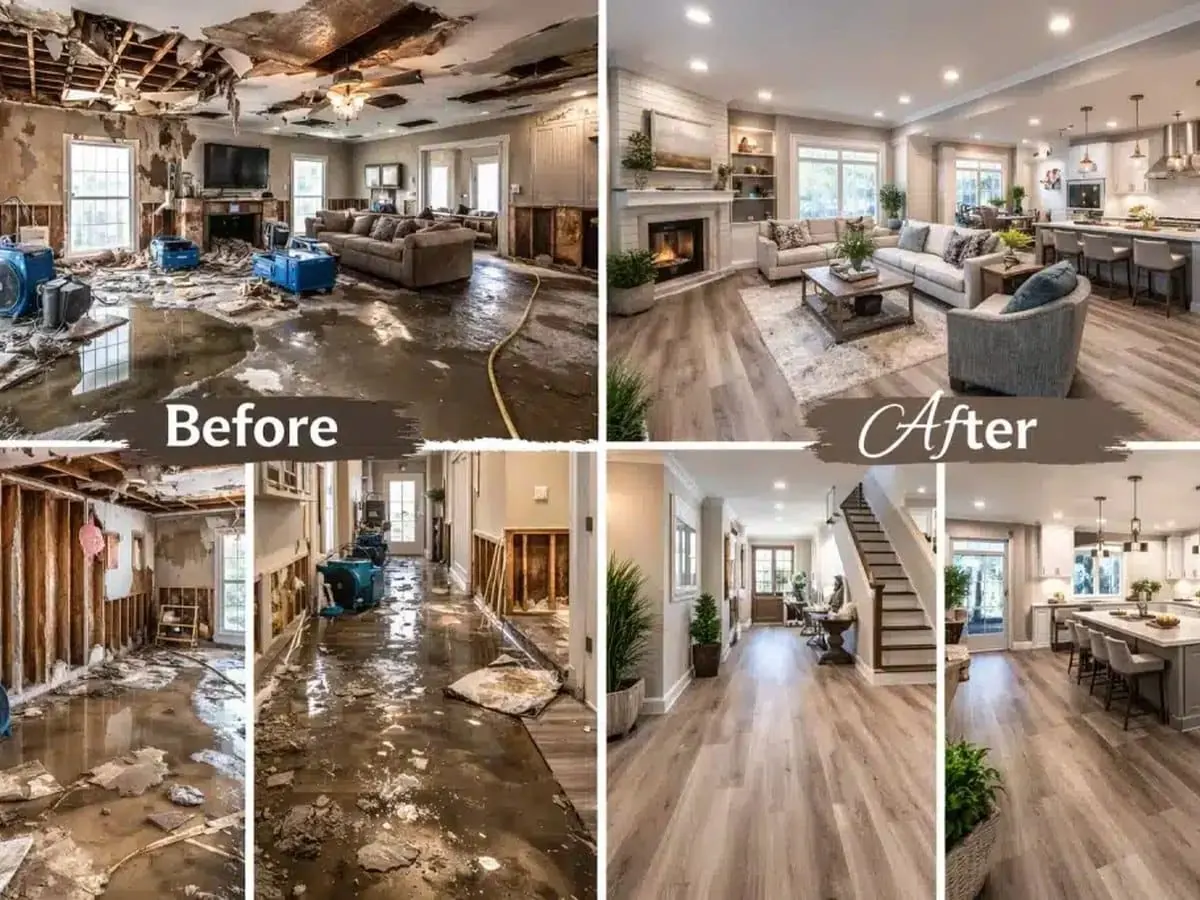 Structural DryingAir movers, dehumidifiers and moisture meters pull water out of framing, subfloor and drywall.
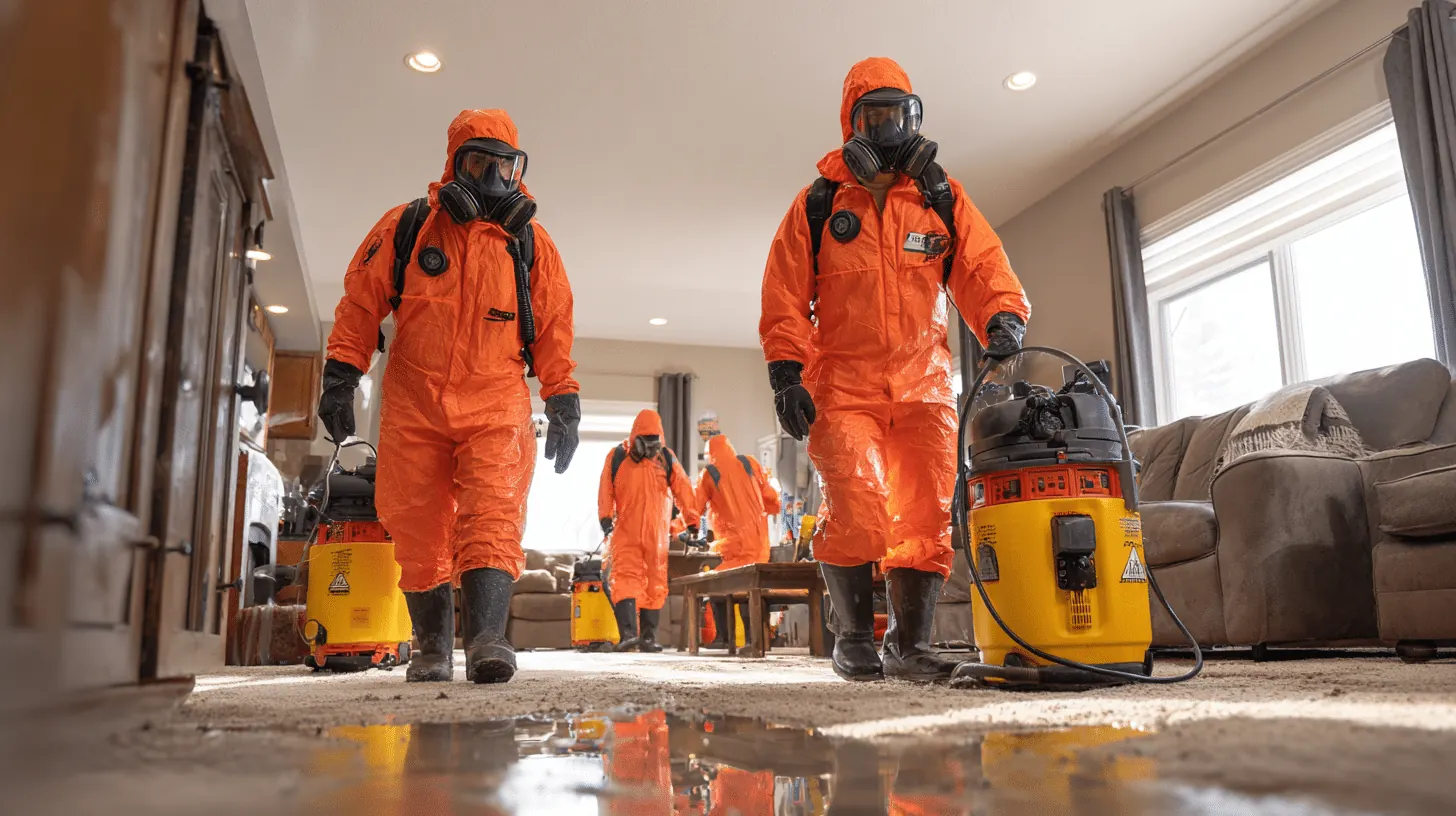 Water Damage RepairsExpert assessment, thorough restoration and full documentation.
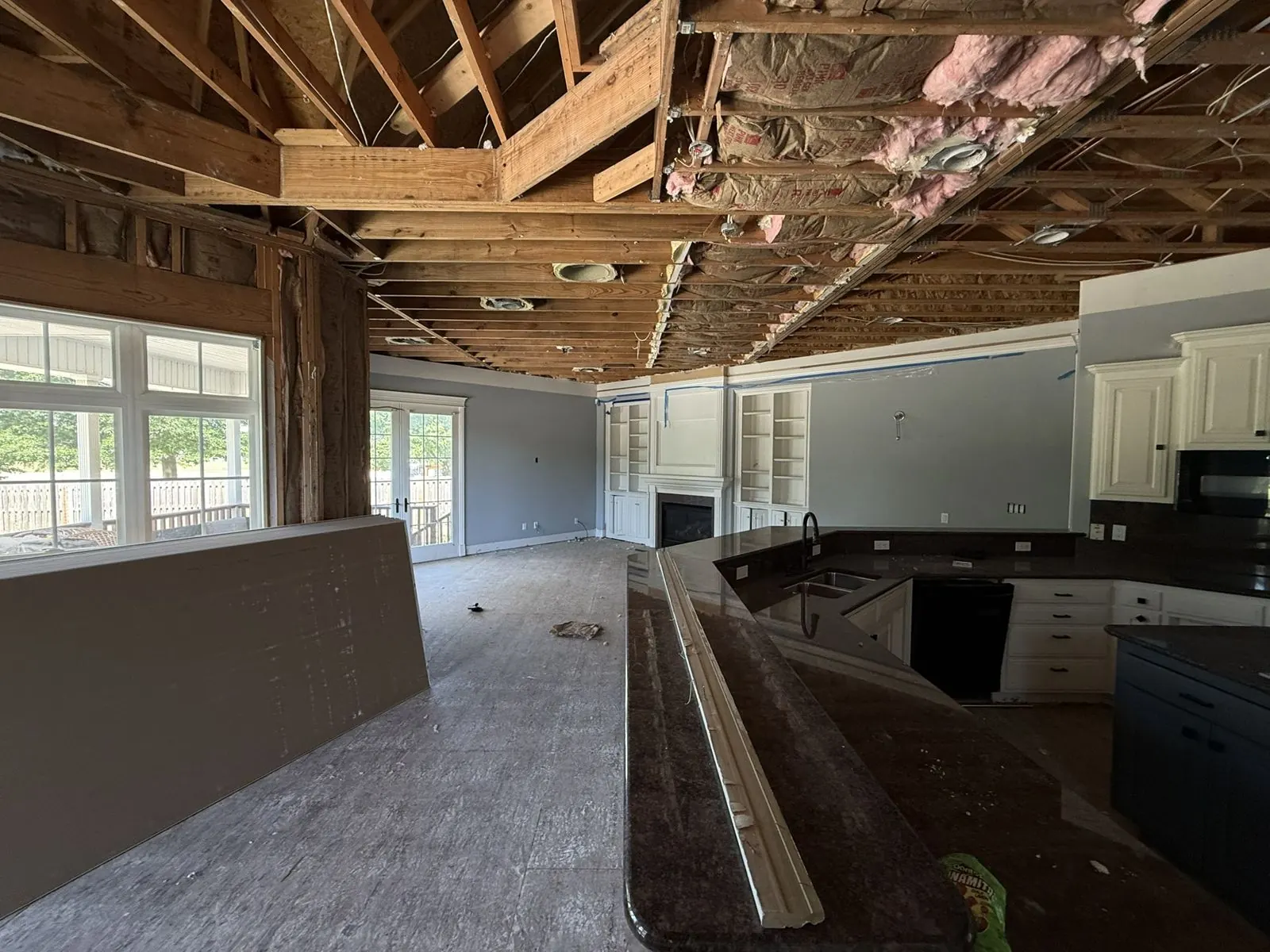 Flood Damage CleanupDebris removal, drying and disinfection after a flood.
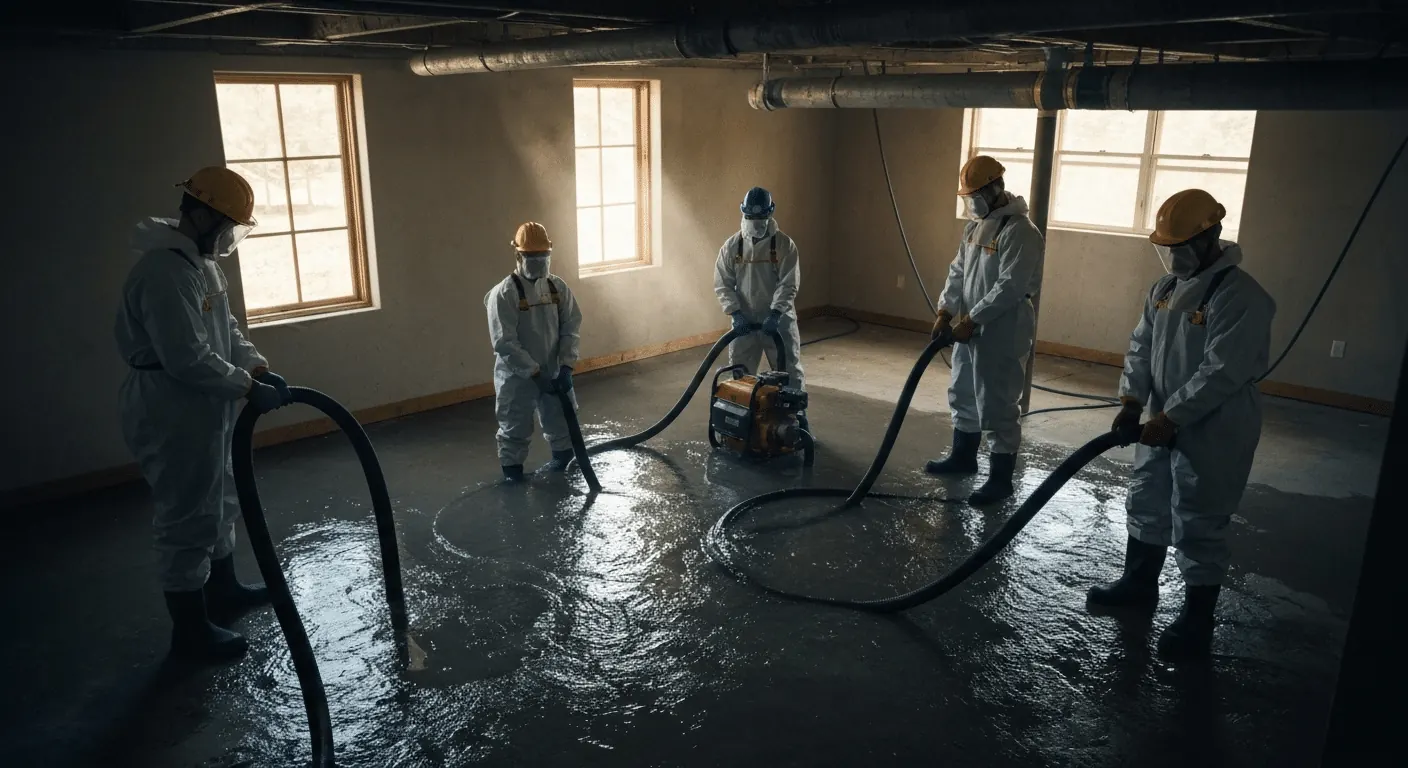 Sewage CleanupSanitization, decontamination and structural restoration.After Water DamageWhat to do in the first hour: shut-offs, photos and when to call.