
How Long Does Drying Take After Water Damage?
Find out how long drying takes after water damage, what affects the timeline, and when professional dehumidification is needed to prevent mold in NWA homes.
What the Drying Timeline Actually Looks Like After Water Damage
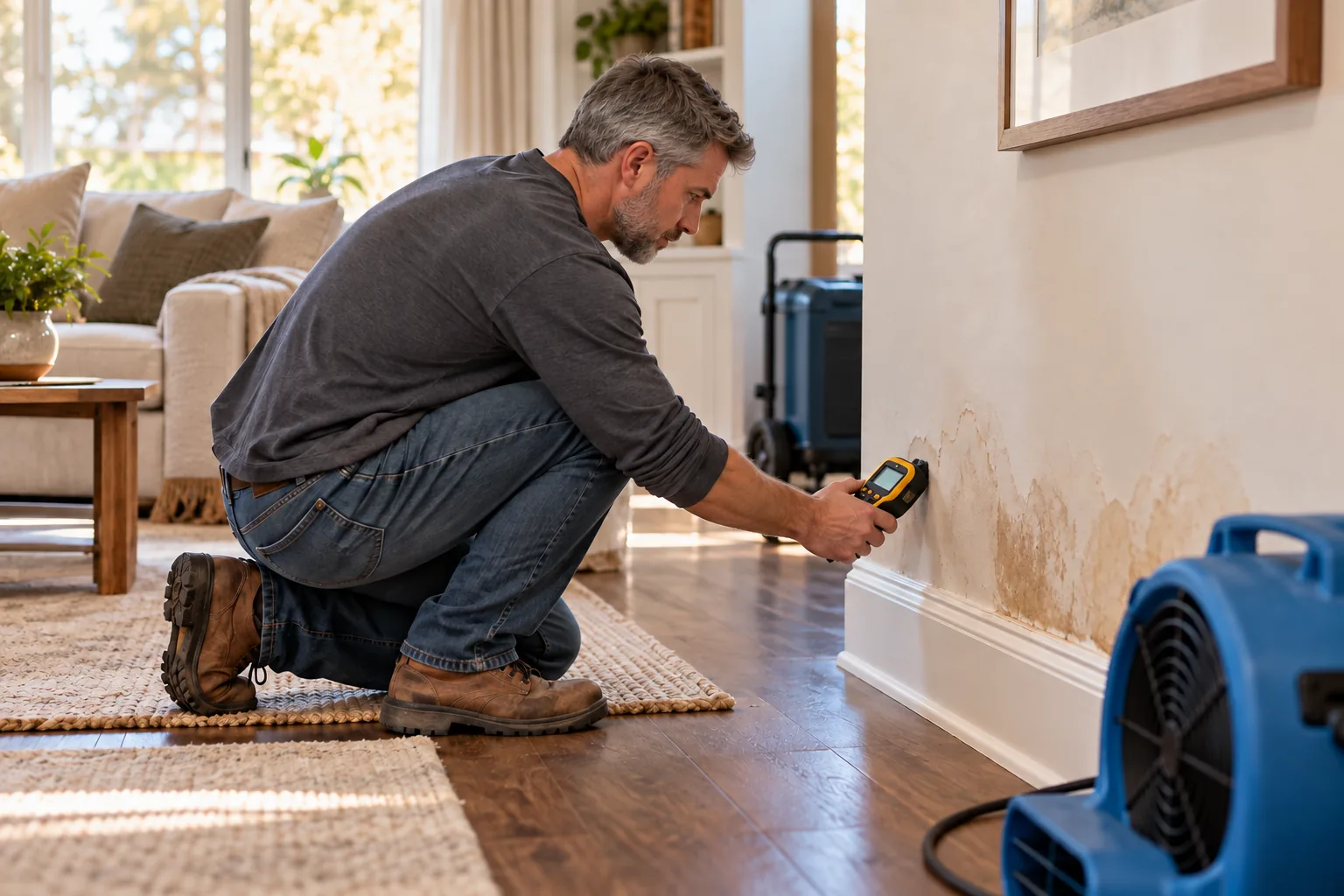
After water damage hits a home in NWA, one of the first questions homeowners ask is simple: how long is this going to take? The honest answer is that it depends on three things: how much water got in, how deep it soaked into your materials, and how fast professional drying equipment got started. In most situations, a water-damaged room with wet drywall, flooring, and subfloor can reach dry standard in 3 to 5 days when industrial air movers and dehumidifiers run continuously. That is not 3 to 5 days of occasional fan use. That is 72 to 120 hours of sustained, monitored drying with equipment pulling moisture out of the air and structure simultaneously.
Category 1 water, meaning clean supply-line water from a burst pipe or appliance failure, dries the fastest. Category 2 water, which includes washing machine overflow or dishwasher discharge, adds complexity because of light contamination. Category 3 water from sewage or flooding carries pathogens and requires full sanitization before drying even begins, which can add 1 to 3 days to the front end of the process. If your home has been wet for more than 48 hours before drying starts, the timeline often pushes past 5 days regardless of material type. Starting fast matters more than almost anything else in determining how long you will be out of your normal routine.
Why Material Type Changes Everything
Not all building materials release moisture at the same rate, and that single fact drives most of the variation in drying timelines. For complete coverage of how drying and dehumidification equipment works together during recovery, see our Drying & Dehumidification Services After Water Damage resource.
How long does drywall take to dry after water damage?
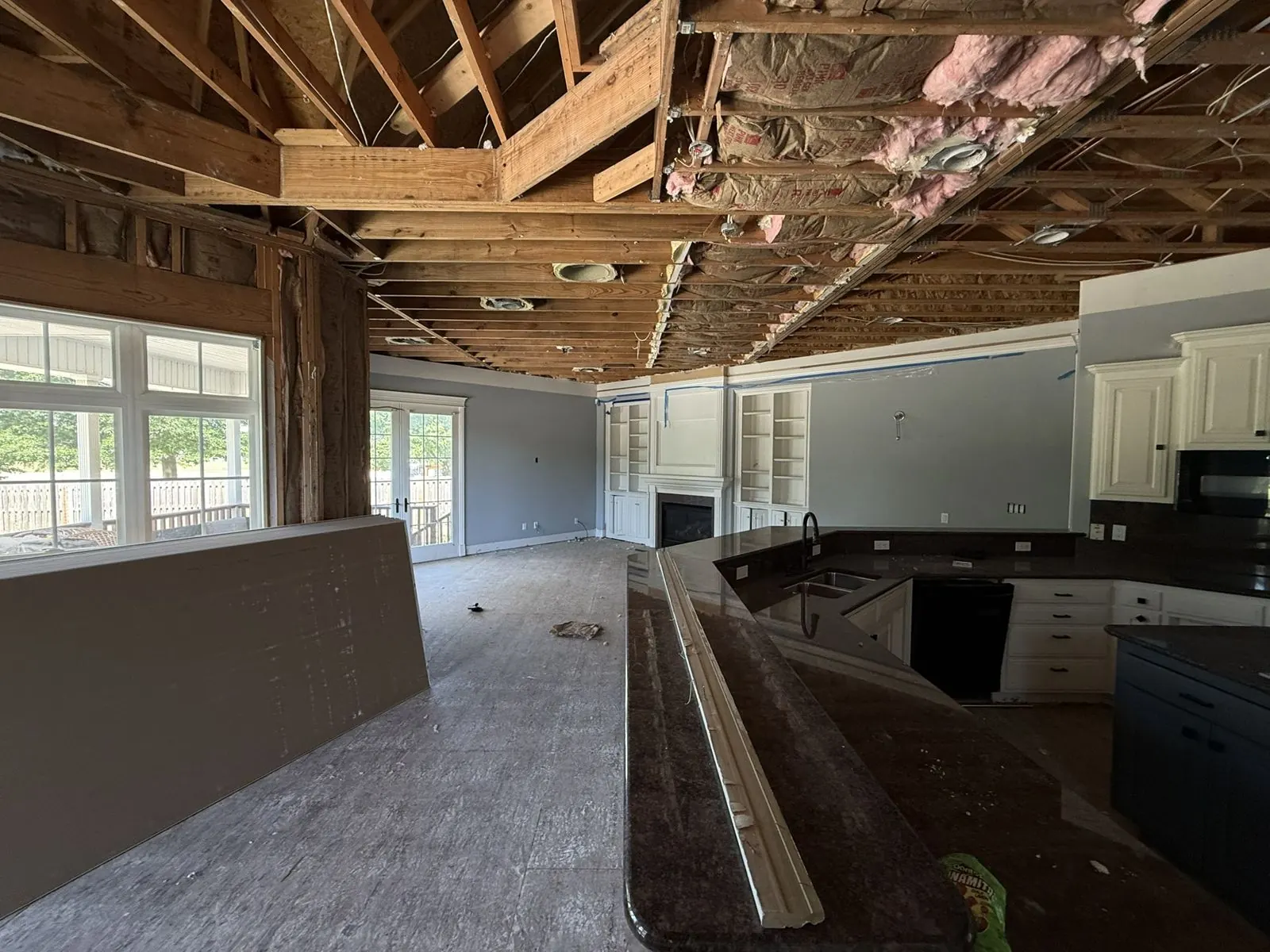
Drywall is made of gypsum sandwiched between paper facing. It absorbs water quickly and releases it slowly. Wet drywall that has not been saturated all the way through can dry in place in 3 to 4 days with proper airflow directed at the surface. Drywall that has been wet for more than 24 hours, or that has absorbed water through its full thickness, usually cannot be saved. The paper backing becomes a food source for mold, and the gypsum loses structural integrity. In those cases, the material gets cut out and replaced, which is actually faster in the long run than trying to dry compromised board. According to EPA guidance on mold prevention, porous materials that remain wet for more than 48 hours should be removed and replaced rather than dried in place. If you are dealing with water damage drywall replacement in Northwest Arkansas, acting within that window makes a significant difference in total repair scope.
How long does wood subfloor take to dry?
Wood subfloor is one of the most time-consuming materials to dry. A 3/4-inch plywood subfloor that has been saturated can take 7 to 14 days to reach the target moisture content of below 16 percent, even with equipment running around the clock. Solid hardwood flooring over a wet subfloor can take even longer because you are trying to dry through two layers. Engineered hardwood is often less forgiving because the core delaminates before it fully dries. Technicians use penetrating moisture meters at multiple points across the floor to track progress. A reading above 16 percent means the wood is still too wet for flooring or drywall reinstallation. Rushing past that threshold causes buckling, warping, and secondary damage that costs more to fix than the original loss.
The Role of Humidity and Air Conditions in NWA
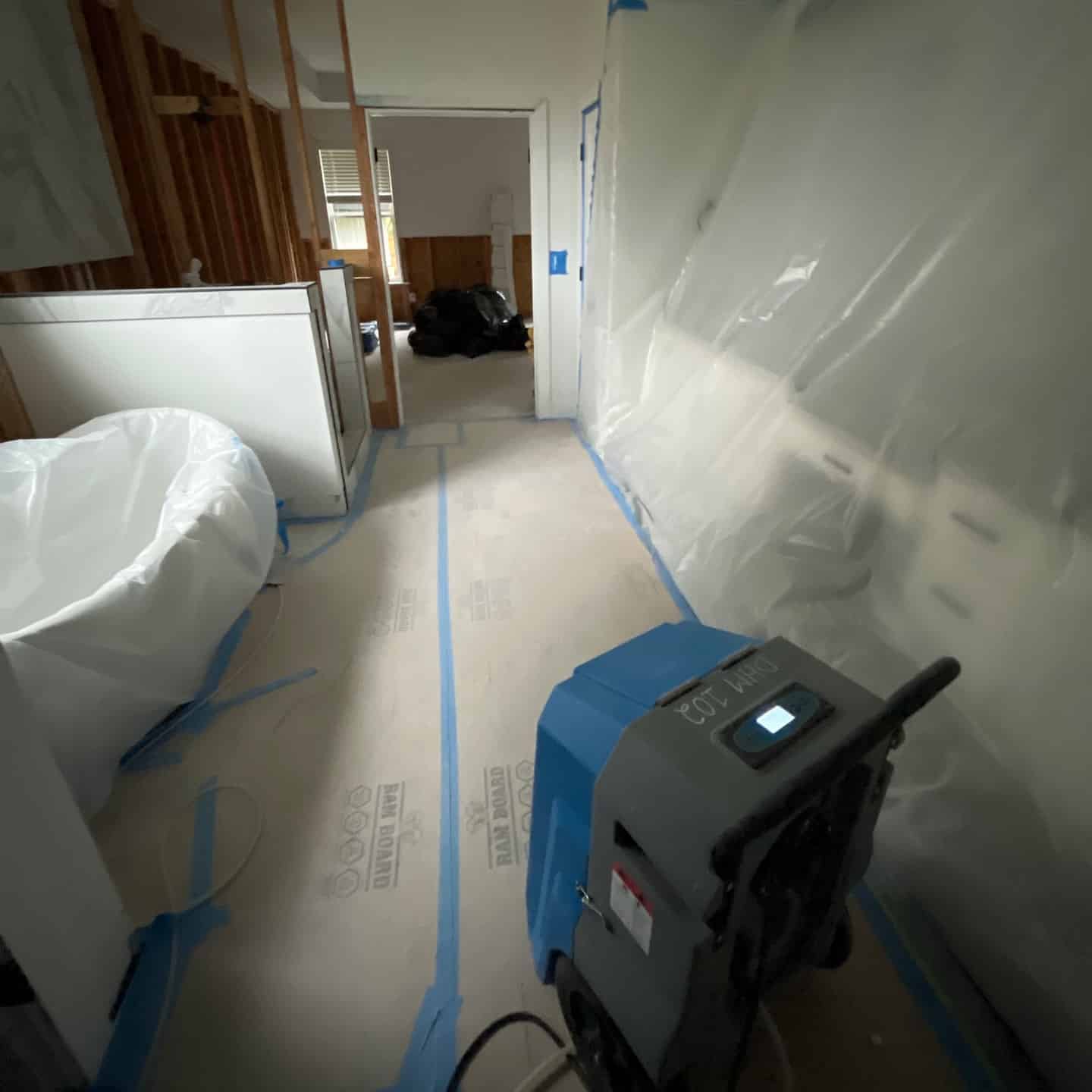
Northwest Arkansas humidity is not your friend during a drying project. The region regularly sees relative humidity above 70 percent during spring and summer months. When outdoor air is more humid than the indoor drying target of 40 to 50 percent, opening windows actually slows the drying process by pulling moist outside air into the structure. Professional water extraction and drying in Northwest Arkansas relies on keeping the building envelope closed and using refrigerant-based dehumidifiers that pull 50 to 100 pints of moisture out of the air per day, depending on the unit size deployed.
Does turning up the heat speed up drying?
Warmer air holds more moisture, which helps dehumidifiers work more efficiently. Setting the thermostat to 70 to 75 degrees Fahrenheit during a drying project is appropriate. Going above 80 degrees does not meaningfully accelerate drying and can stress the building materials further. Your HVAC system was not designed to handle moisture loads this high, so running your standard system without supplemental dehumidification will not get the job done. That is why professional restoration equipment is separate from your home’s air handler entirely.
What happens if drying takes too long?
If the drying process extends past 48 to 72 hours without controlled dehumidification, secondary damage begins. Mold colonizes drywall paper and wood framing. According to IICRC standards for water damage restoration, materials in Class 3 and Class 4 water damage situations require aggressive drying protocols to prevent secondary microbial growth. Musty odors develop. Wood framing can begin to show elevated moisture readings that push it toward conditions favorable for rot. The cost difference between a 3-day professional dry-out and a 3-week uncontrolled situation is significant, often the difference between replacing only flooring versus replacing flooring, subfloor, framing, and drywall together. Understanding hidden water damage detection signs NWA homeowners miss can help you catch moisture problems before they reach that point.
How Professionals Monitor and Confirm Drying Progress
Drying is not finished when the visible water is gone. It is finished when moisture meters confirm that all affected materials have returned to normal moisture content for your region. In NWA, equilibrium moisture content for wood framing typically falls between 8 and 13 percent depending on the season. Technicians take readings at each visit, usually every 24 hours, and document them. That documentation matters for your insurance claim because it creates a clear drying log that adjusters can review.
What equipment actually dries a water-damaged home?
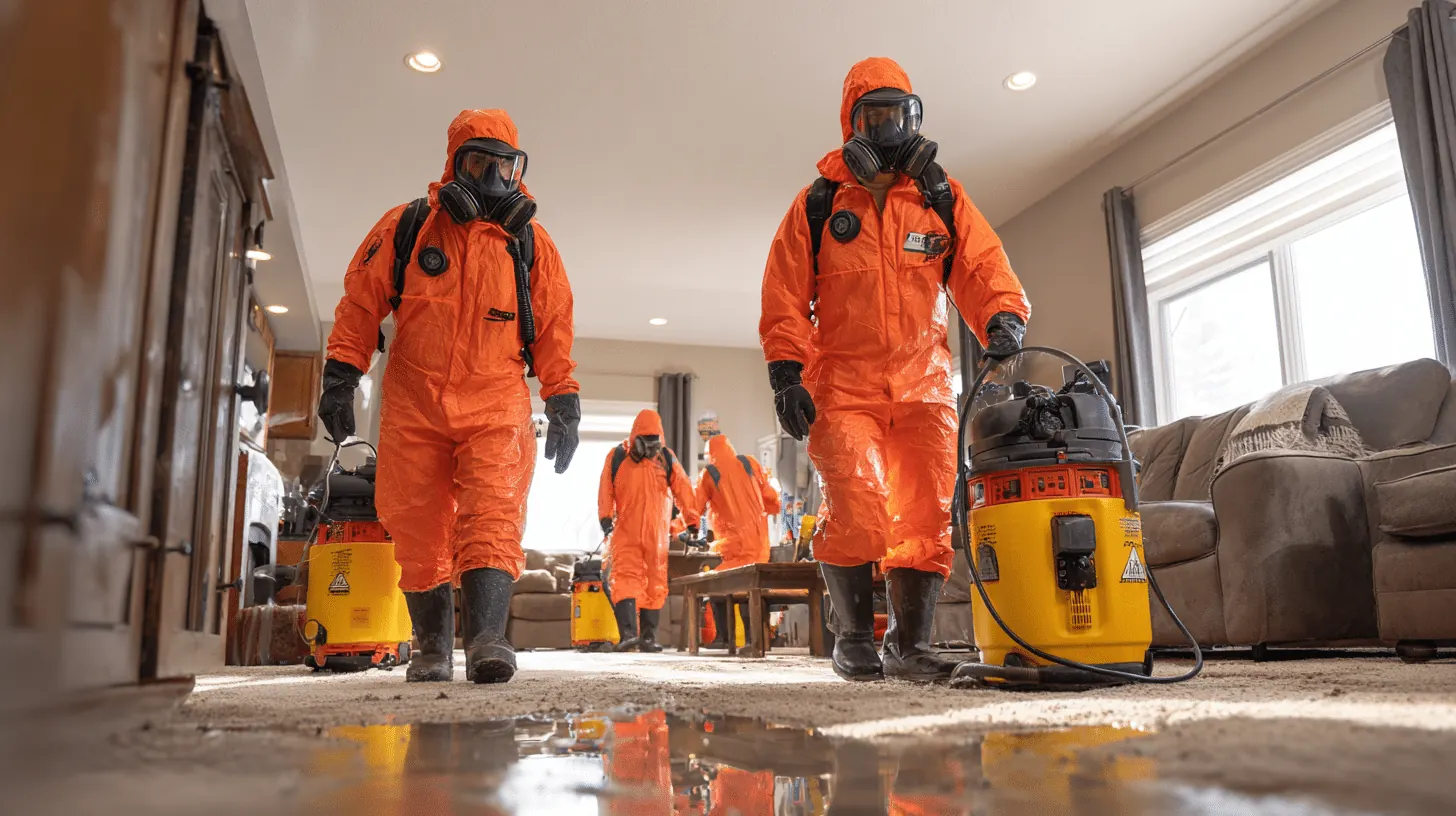
A standard residential dry-out uses three types of equipment working together. Air movers, which look like snail-shaped blowers, push high-velocity air across wet surfaces to accelerate evaporation. Refrigerant dehumidifiers pull that evaporated moisture out of the air and drain it continuously. Moisture meters, both pin-type and non-penetrating, measure actual moisture content inside materials rather than just surface humidity. Thermal imaging moisture detection can reveal wet areas behind walls or under flooring that are not visible to the eye. Bear uses this combination of equipment and takes daily moisture readings to track progress on every dry-out job.
How do I know when my home is actually dry?
You know drying is complete when moisture meter readings across all affected materials fall within the normal range for your region and material type, the relative humidity inside the affected area stabilizes at 40 to 50 percent, and there is no visible condensation on surfaces or equipment. A final documentation reading is taken before equipment is removed. Skipping this step and pulling equipment early because the floors feel dry to the touch is one of the most common mistakes homeowners make. Surface dryness and structural dryness are not the same thing.
What You Can Do in the First Two Hours
The actions you take in the first two hours after water damage control a significant portion of your total repair cost. The goal is to stop the water source, reduce standing water, and protect materials that have not yet been reached by water.
Should I run my own fans right away?
Running household fans in the first hour is reasonable as long as the water source is clean and you have stopped the flow. Box fans and ceiling fans increase air movement, which slows initial absorption into porous materials. What they cannot do is remove moisture from the air, so the humidity in the room rises as water evaporates and then re-absorbs into nearby materials. This is why household fans are a holding action, not a drying solution. Getting emergency water extraction services started within 2 to 4 hours of a loss is the standard that professional restorers work toward.
When should I call a restoration company versus handling it myself?
If the affected area is larger than 10 square feet, if water reached any wall cavity or subfloor, or if the water came from anything other than a clean supply line, call a professional. The math is straightforward. A small bathroom leak caught in 20 minutes where only the vinyl floor got wet is a DIY situation. A washing machine overflow that sat for 6 hours before anyone noticed, or a burst pipe that ran overnight, is not. For water events involving sewage backup, contact a sewage contamination sanitization professional immediately because Category 3 water carries health risks that require proper personal protective equipment and sanitization protocols.
Insurance, Documentation, and the Drying Timeline
Your insurance adjuster will want to see evidence that drying was handled according to industry standards. According to FEMA flood damage guidance, documentation of water damage and drying actions taken is important for claims tied to declared disaster areas. Even outside of disaster declarations, your standard homeowners policy will typically require that you mitigated the damage promptly. A restoration company that provides a written drying log with daily moisture readings gives your adjuster exactly what they need to process the claim efficiently.
Does insurance cover the cost of professional drying equipment?
Most standard homeowners insurance policies cover the cost of professional drying and dehumidification when the loss is a covered peril, such as a burst pipe or appliance failure. Flood damage from rising surface water is covered by separate flood insurance, not your standard homeowners policy. The daily cost of professional drying equipment for a single-room dry-out typically runs $200 to $500 per day, and a full dry-out for a moderately affected home can total $1,500 to $4,000 depending on the size and complexity. That range does not include water damage restoration costs for materials that need replacement after drying is complete.
Mold Risk During and After the Drying Window
Mold is the reason the drying timeline matters so much. It does not wait for you to find a convenient time to act. Mold spores are present in every home environment naturally. Wh
Bear’s water damage services.
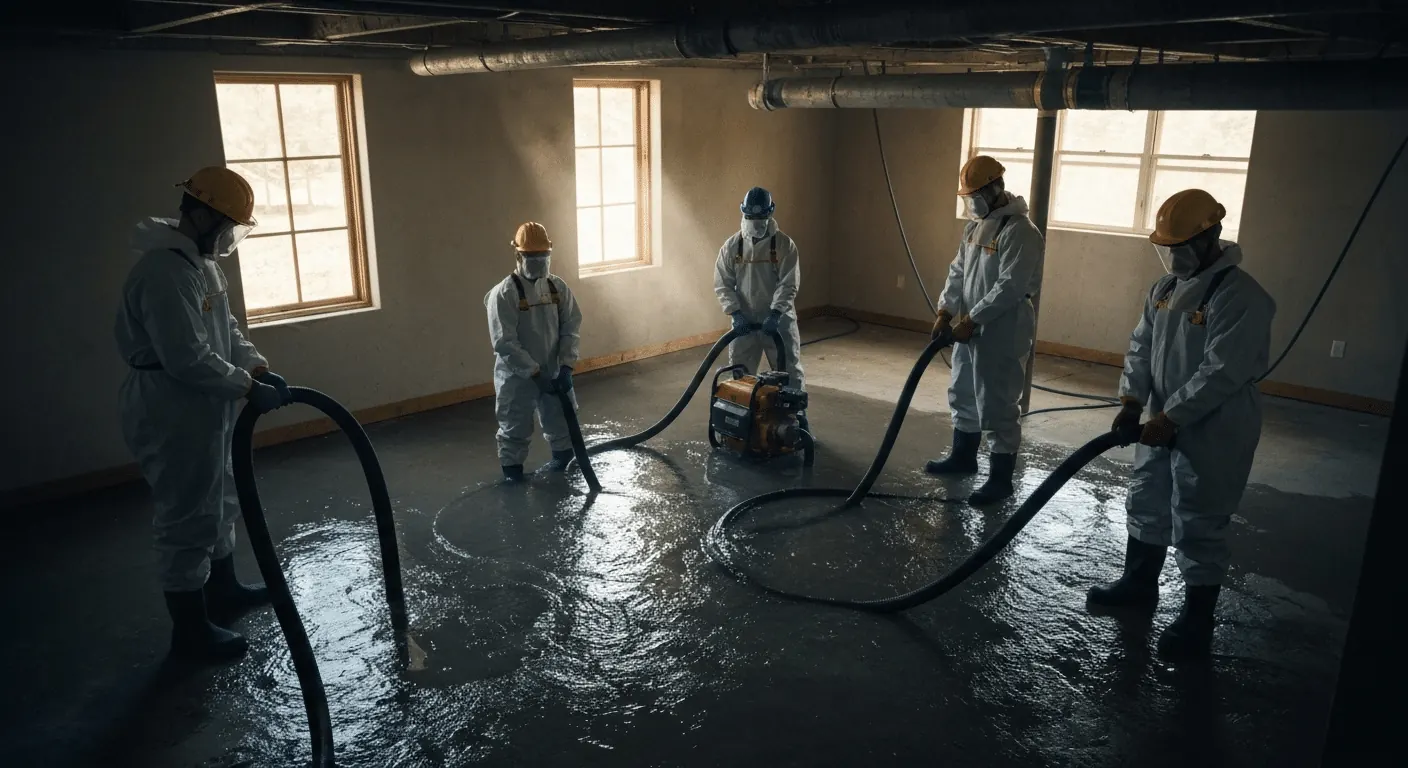
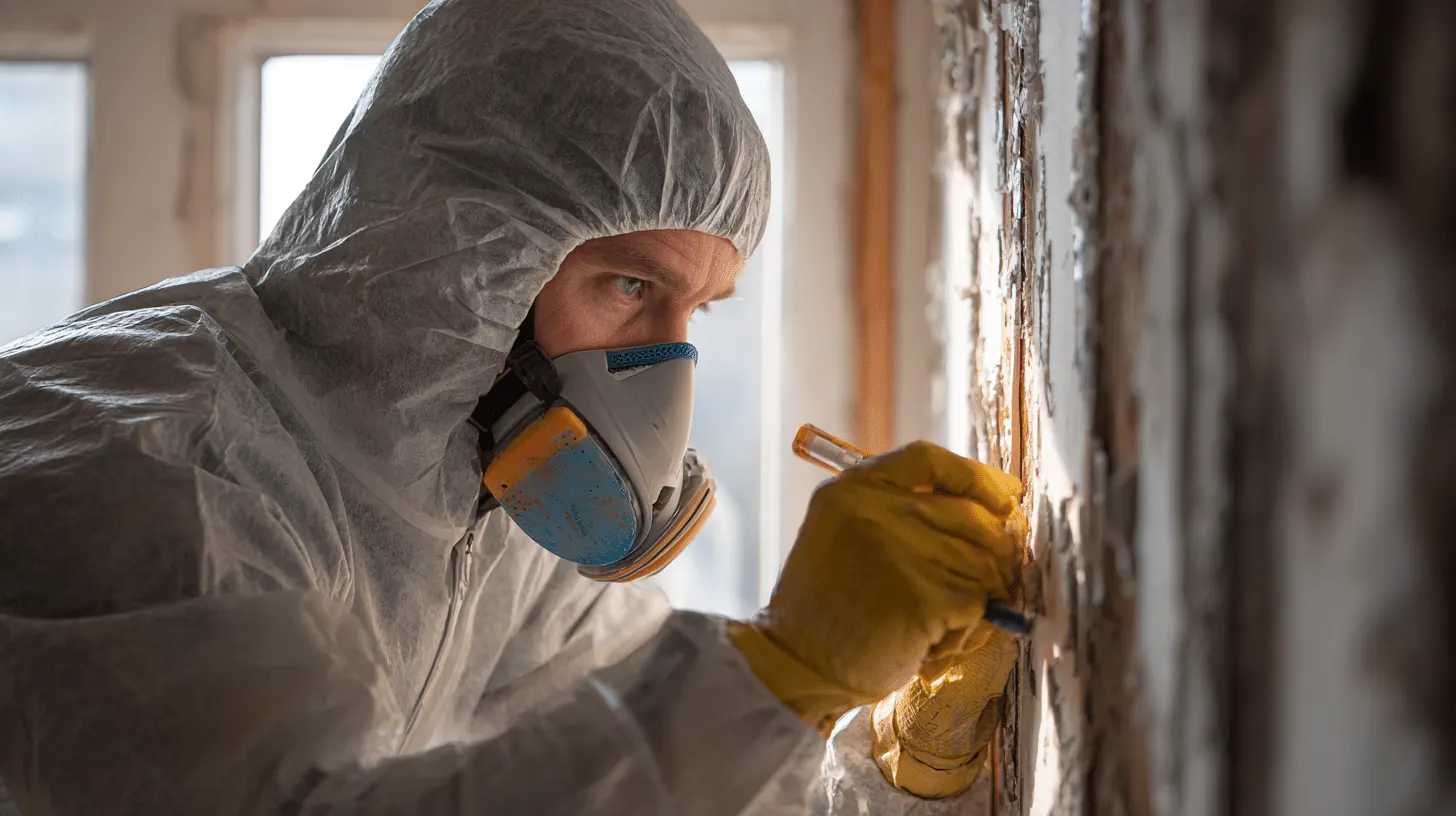 Water RemovalCommercial-duty pumps and vacuums extract water fast to limit the damage.
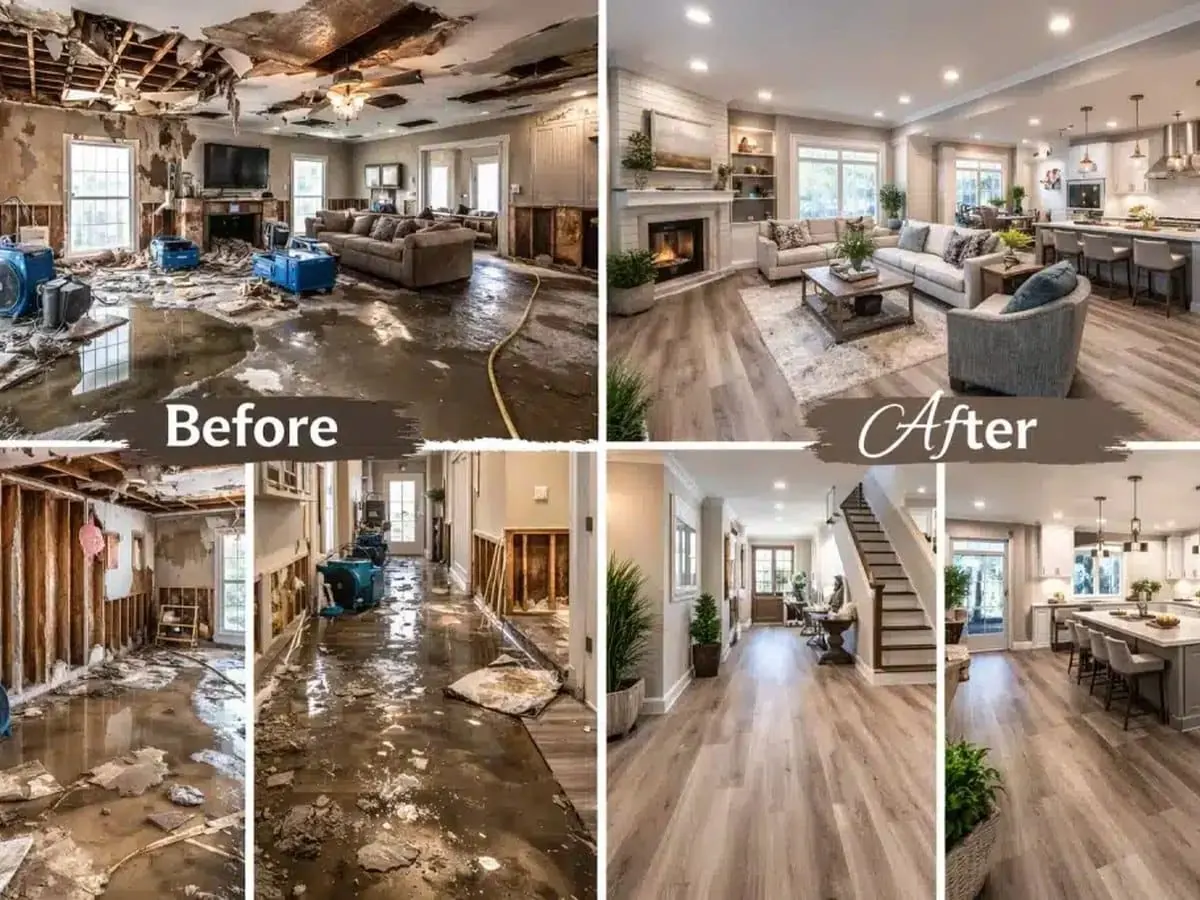 Structural DryingAir movers, dehumidifiers and moisture meters pull water out of framing, subfloor and drywall.
 Water Damage RepairsExpert assessment, thorough restoration and full documentation.
 Flood Damage CleanupDebris removal, drying and disinfection after a flood.
 Sewage CleanupSanitization, decontamination and structural restoration.After Water DamageWhat to do in the first hour: shut-offs, photos and when to call.