
You've had a fire. Here's what to do next.
A fire turns your life upside down in minutes, and the days after can feel overwhelming. Take a breath. This guide walks you through it one step at a time: get safe, take stock, make a plan, then rebuild.
Get to safety first
Nothing in the house is worth more than the people and pets who live there. Everything else can wait a few hours.
- Make sure everyone is accounted for, including pets.If anyone has breathed in smoke, get them checked by a medical professional, even if they seem fine.
- Don't go back inside until the fire department says it's safe.Fire can weaken floors, ceilings and roofs, and hidden hot spots can flare up again.
- Leave the utilities alone.The fire department may have shut off gas, power or water. Don't turn them back on yourself; have the utility company or a licensed professional check them first.
- Find a safe place to stay.Family, friends or a hotel. If you need help, the Red Cross can assist with immediate needs.
- Call your insurance company to report the fire and get a claim number.Write down the date, time and the name of everyone you speak with.
Take stock and protect what's left
Once it's safe, the goal is to stop more damage, record everything, and gather what you'll need.
- Secure the property.Broken windows, doors and roof openings should be boarded up and tarped to keep out weather and intruders. Most policies expect you to take reasonable steps to prevent further damage, so keep the receipts.
- Photograph and video everything before anything is moved or thrown away.Every room, wall, ceiling and closet, inside cabinets, and damaged belongings. Narrate the video as you go. You can't take too many pictures.
- Don't throw damaged items away yet.Keep them until they've been documented and your insurance company tells you it's OK to dispose of them.
- Get a copy of the fire report from the fire department.Your insurance company will likely ask for it.
- Find your important documents and valuables.IDs, insurance papers, medications, cash, jewelry and anything irreplaceable.
- Throw out food, drinks and medicines exposed to heat, smoke or soot.That includes canned goods and anything in the refrigerator if the power was off. Ask your pharmacist about replacing medications.
- Notify the people who need to know: your mortgage lender, employer, your children's schools and the post office.
Make a plan
Before big decisions get made, take time to understand your coverage and your options. This is where you start taking control of your recovery.
- Ask your insurance company for a complete copy of your policy, including the declarations page.That's the document that lists your coverages and limits, so you know exactly what you bought.
- Ask what's included in your coverage.Common coverages include the dwelling, personal property (your belongings), additional living expenses while you're out of your home, other structures like a garage or fence, and debris removal. Ask about each one, and about any deadlines.
- Keep every receipt for living expenses.Hotels, meals, laundry, mileage and other costs above your normal budget may be covered. Ask your insurer what applies to you.
- Start a list of your belongings, room by room.Phone photos, bank and credit card statements, and online order history can all help you remember and support values.
- Start a claim journal.Date, name, what was said and what was promised, for every call and visit. Follow up important conversations by email so there's a written record.
- Choose your own contractor.Many homeowner policies let you choose who repairs your home. If your insurer recommends a company, you can usually still pick your own; ask to confirm what your policy says.
Clean up and rebuild
Recovery after a fire happens in stages. Knowing what's coming makes each one less stressful.
Mitigation and cleaning
Removing debris, drying out water from firefighting, cleaning soot and removing smoke odor. Done promptly, this saves more of your home and belongings.
The adjuster's inspection
Your insurance company's adjuster inspects the damage and writes an estimate. It helps to have your own documentation, and your contractor, there too.
Reviewing the estimate
Compare the insurer's estimate to what it will truly take to restore your home. Hidden damage often shows up later, once walls and floors are opened.
Rebuilding
Repairs and reconstruction, from framing and systems to finishes. This is often the longest stage, and the one where choosing an experienced builder matters most.
For a deeper look at how claims, estimates and supplements work, read our Insurance Claims Guide.
Protecting your family's interests
Your insurance company has its own team working on your claim. It's important that someone is looking out for your family, too, and that starts with you understanding the process.
Know who works for whom
The adjuster assigned to your claim works for your insurance company. Most are professional and fair, but their job is to represent the insurer. Your job is to understand your policy and make sure your loss is fully documented.
You don't have to decide on the spot
Take time to read any estimate or settlement offer, ask questions, and understand what's included before you sign. Ask for estimates in writing, line by line.
The first estimate is rarely the whole picture
Early estimates are often written before the full damage is known. Smoke travels into walls, attics and ductwork, and some damage only appears during cleanup and repair. Ask how additional damage found later will be handled.
Ask about every coverage you have
Belongings, living expenses, code upgrades required during rebuilding, debris removal and other structures are sometimes overlooked. Ask your insurer which apply to your policy.
Be careful who you sign with
After a fire, people may show up at your door. Be cautious with anyone who pressures you to sign right away, asks for a large payment up front, or isn't licensed and insured. Take time to check references.
If you disagree, you have options
Ask your insurer to explain its decision in writing and to reinspect. The Arkansas Insurance Department's Consumer Services Division (501-371-2640) can help, and you may want to talk with an attorney. In Arkansas, public adjusters can't represent homeowners.
As early as you're ready
There's no wrong time to call, but earlier is better. Many of the decisions that matter most happen in the first few days, and protecting your home quickly limits further damage.
Bear has helped Northwest Arkansas families through fire losses from the first night to the final walkthrough. Our team includes former insurance adjusters who know how the process works, and because we're builders, the same company that secures your home can restore it. We can help you:
- Board up, tarp and secure your home, day or night
- Document the damage thoroughly, including what's hard to see
- Understand the insurance process and what to expect next
- Meet your adjuster at the home and review the estimate with you
- Clean, restore and rebuild, with one team from start to finish
A call is simply a conversation. There's no obligation, and you're never pressured to sign anything.
Who else can help
1-800-RED-CROSS
501-371-2640
More fire & smoke damage services.
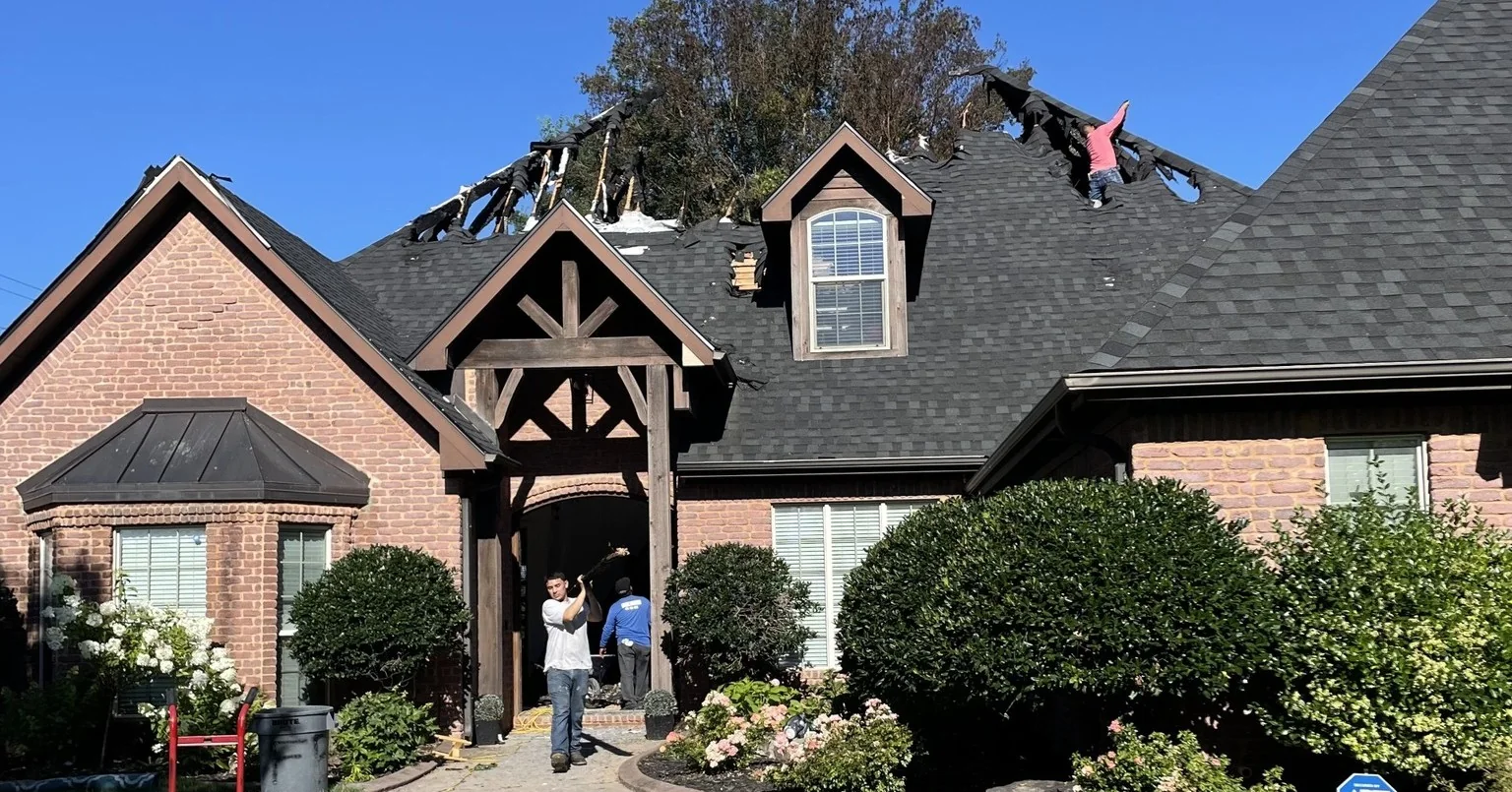 Fire Damage RestorationDebris cleanup, structural repairs and content restoration.
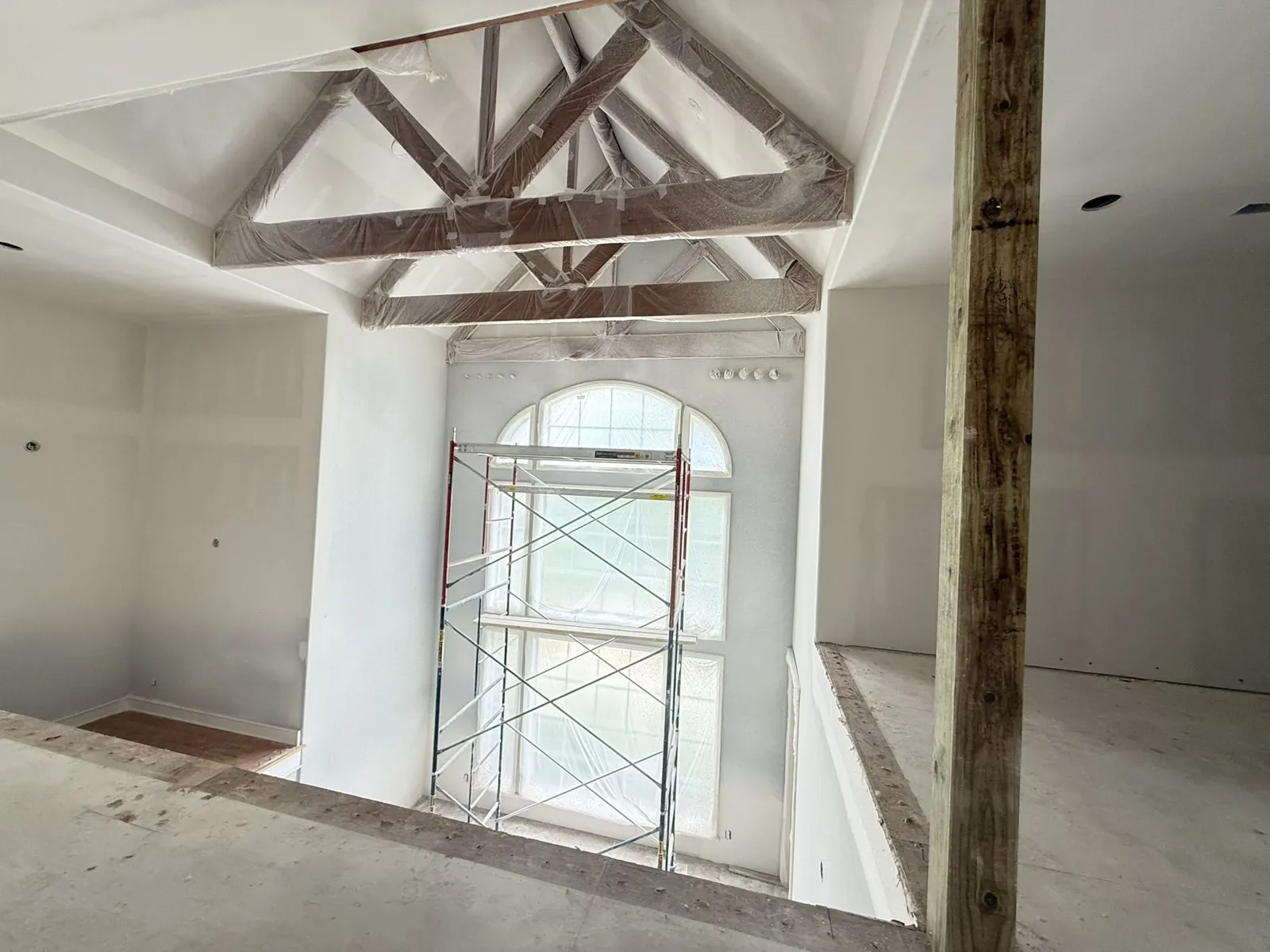 Fire Damage RepairDamage assessment through structural repair and rebuild.
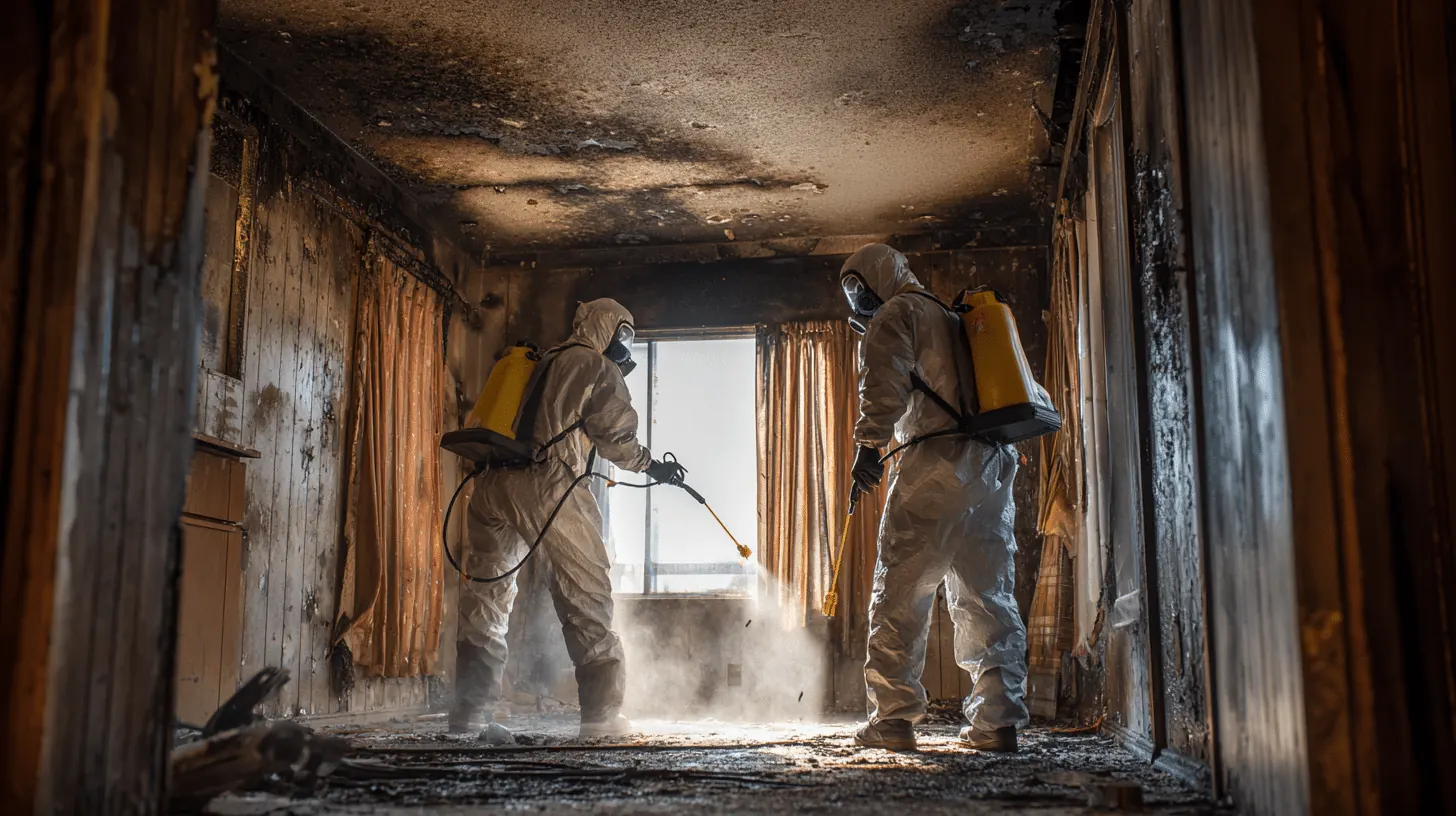 Smoke Damage CleanupRemoval of soot, odor and residue throughout the home.Fire & Smoke Damage overviewEvery fire & smoke damage service Bear offers, and how they fit together.