
Found mold? Here's what to do next.
Mold is unsettling to find, but it's a solvable problem. It always comes from moisture, so the real goal is to fix the water problem, then remove the mold safely so it doesn't come back. This guide walks you through it.
Mold is a moisture problem
Mold spores are everywhere, indoors and out. They only grow when they find moisture, which is why mold can begin growing on damp materials within 24 to 48 hours of a leak. Cleaning mold without fixing the moisture means it will come back.
Protect your family and stop the moisture
Limit exposure, then go after the water that's feeding the mold.
- Keep sensitive people and pets away from the affected area.If you need to be near it, wear gloves, eye protection and an N95 mask.
- Find and stop the source of moisture.A dripping pipe, a slow leak under a sink, a roof leak or a condensation problem. Fixing the source is the most important step.
- Don't scrub, sand or scrape large areas yourself.Disturbing mold releases spores. Bleach isn't recommended for routine mold cleanup, and it doesn't fix the moisture behind it.
- Turn off the heating and cooling system if you see or suspect mold in vents or ductwork.Running it can spread spores through the house until it's inspected.
- Lower the humidity.Run a dehumidifier or the bathroom exhaust fan in damp areas. Indoor humidity is best kept between about 30 and 50 percent.
When to clean it yourself, and when not to
The EPA's guidance is a helpful rule of thumb: small spots on hard surfaces can often be cleaned by a homeowner, while larger or hidden mold calls for a professional.
Small and on the surface
Less than about 10 square feet on a hard surface, like tile or a window sill, with the moisture source fixed.
Clean with detergent and water, dry completely, and watch for regrowth.
Larger or on porous materials
More than about 10 square feet, or growing on drywall, insulation, carpet or ceiling tiles.
Porous materials usually need to be removed, not cleaned. Call a professional.
Hidden or spreading
A musty smell without visible mold, mold in ductwork, crawl spaces or attics, or mold after sewage or flood water.
Needs a professional assessment and containment.
Assess and document
Before anything is removed, understand how far it goes and record what you find.
- Photograph and video the mold and the moisture source.Include water stains, the leak itself, and the surrounding area.
- Check the likely hiding places.Under sinks, behind toilets and washing machines, around windows, in the attic and in the crawl space. A musty smell often means mold you can't see.
- Write down when you first noticed it, and any leaks or water events that came before.The timeline can matter for an insurance claim.
- Get a professional assessment for anything beyond a small spot.Moisture meters and thermal imaging can show how far moisture and mold reach behind walls and under floors.
Make a plan
Understand your coverage and get a clear plan in writing before remediation starts.
- Ask your insurance company how your policy handles mold.Many policies limit or exclude mold, but some cover it when it results from a covered water event, like a sudden burst pipe. Ask which applies to you, and report it promptly.
- Ask for a complete copy of your policy, including the declarations page.That's the document that lists your coverages and limits.
- Get the remediation plan in writing.It should describe how the area will be contained, what will be removed, how it will be cleaned and dried, and how the moisture source will be fixed.
- Start a claim journal if you file a claim.Date, name and what was said, for every call and visit.
- Choose your own contractor.Look for trained, certified technicians, and a company that can also repair the source and rebuild afterward.
Remove the mold, then restore
Professional mold remediation follows a careful sequence to keep spores from spreading.
Containment
The work area is sealed off with plastic barriers, and air filtration keeps spores from moving into the rest of the home.
Removal and cleaning
Moldy porous materials like drywall and insulation are removed, and remaining surfaces are cleaned and HEPA vacuumed.
Drying and fixing the cause
The area is dried to normal moisture levels, and the leak, drainage or humidity problem is corrected so the mold doesn't return.
Verification and rebuilding
The area is checked to confirm cleanup is complete, then walls, floors and finishes are put back.
Protecting your family's interests
Mold can feel alarming, and that makes it easy to rush into decisions. A clear plan protects your family's health and your budget.
Fix the cause, not just the stain
Any plan that removes mold without finding and fixing the moisture source is incomplete. Ask how the source will be corrected.
Be wary of fear-based selling
Mold is serious, but it's manageable. Be cautious with anyone who uses scare tactics, pushes expensive extras without explanation, or wants you to sign that day.
Ask for the plan and the proof
Get the scope of work in writing, and ask for moisture readings and before-and-after photos showing the work was completed.
Make sure it's dry before it's rebuilt
Closing up walls before materials are dry can trap moisture and start the cycle again. Ask for final moisture readings.
Know who works for whom
If you file a claim, the adjuster assigned to it works for your insurance company. Your job is to understand your policy and make sure the damage is fully documented.
If you disagree, you have options
Ask your insurer to explain its decision in writing. The Arkansas Insurance Department's Consumer Services Division (501-371-2640) can help, and you may want to talk with an attorney.
As soon as you see it or smell it
Mold that has moisture keeps growing, so it's best to have it looked at early, while it's smaller and simpler to fix.
Bear's IICRC-certified technicians handle mold remediation, and because our licensed plumbers and construction crews are on the same team, we can fix the leak that caused it and rebuild what was removed, all with one point of contact. We can help you:
- Find the moisture source and how far the mold reaches
- Contain the area and remove the mold safely
- Repair the leak, drainage or ventilation problem
- Document the work for your records or your insurance claim
- Rebuild walls, floors and finishes afterward
A call is simply a conversation. There's no obligation, and you're never pressured to sign anything.
Answered day or night by a real person.
After water damage
Read the Insurance Claims Guide
Our restoration services
Who else can help
501-371-2640
More mold services.
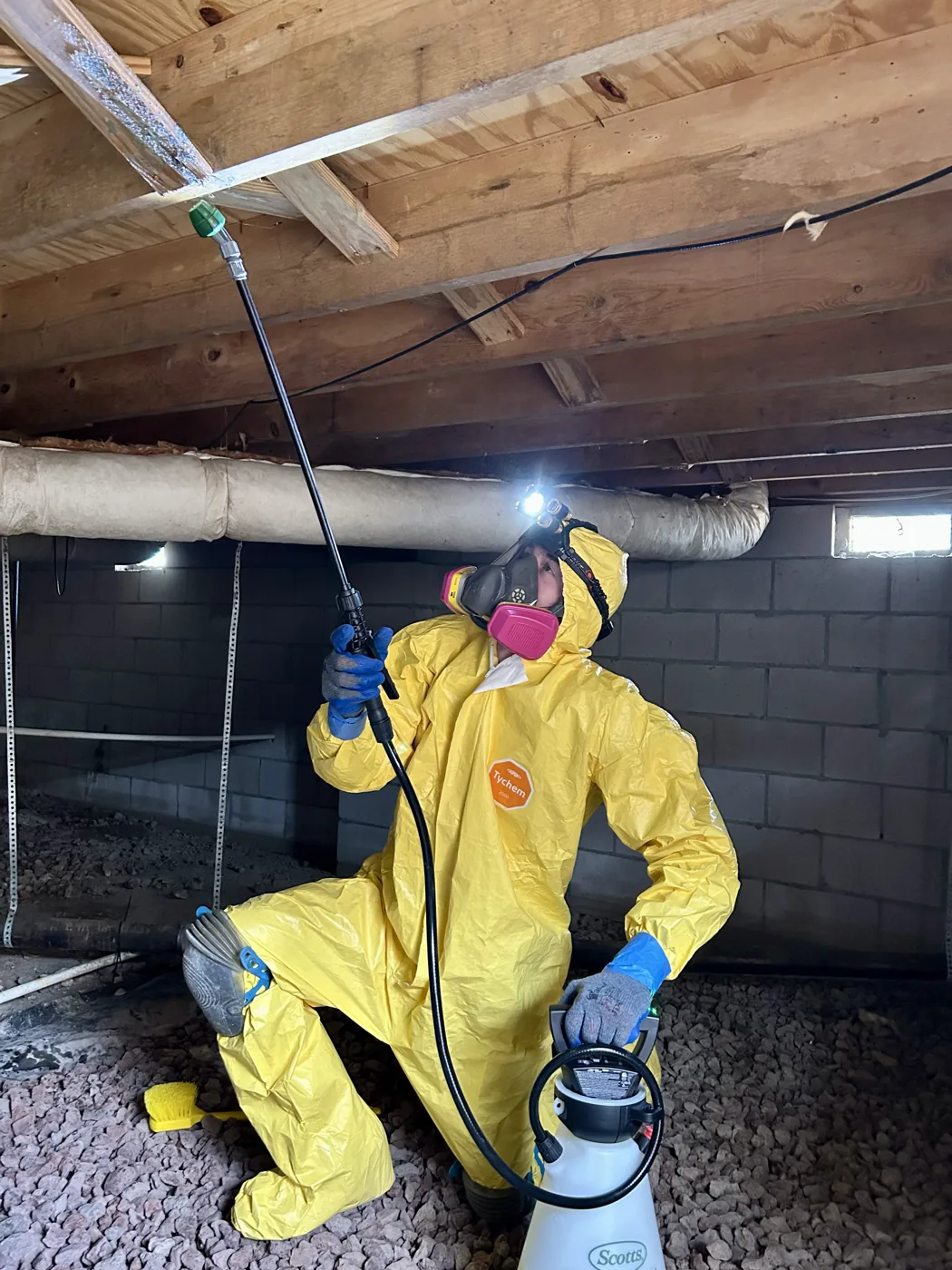 Mold RemovalPrompt, contained remediation that protects your home and health.
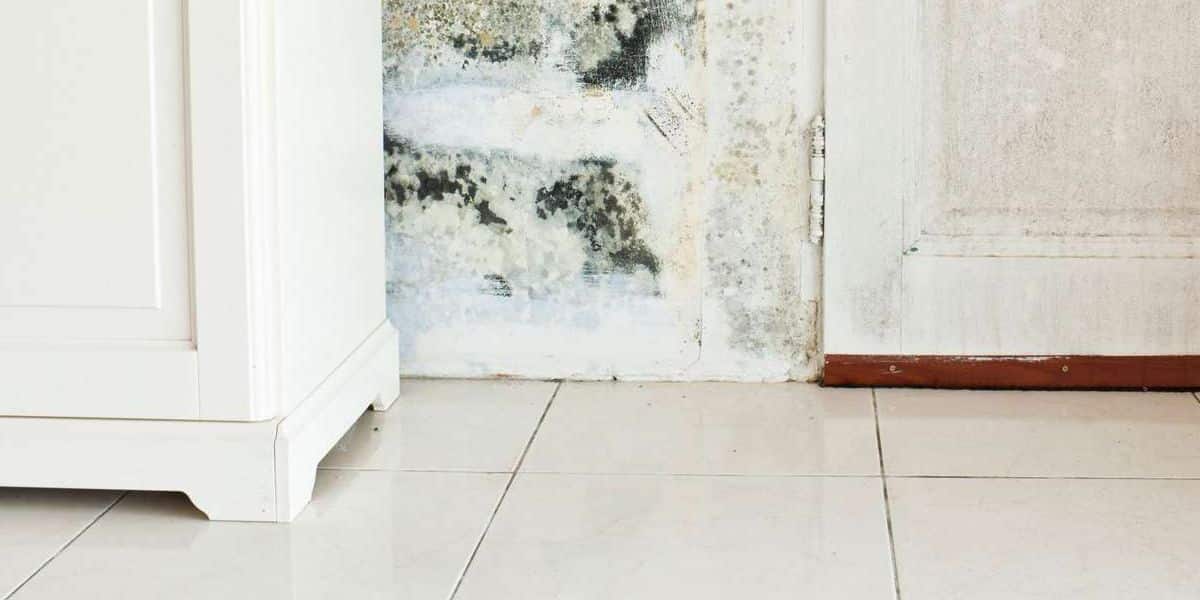 Mold Inspection & TestingMoisture mapping, air sampling and a written report before any work starts.
 Attic & Crawlspace MoldRemediation, insulation replacement and the ventilation fix behind it.Mold overviewEvery mold service Bear offers, and how they fit together.