
Moisture Monitoring During Water Damage Restoration NWA
Learn how moisture monitoring during water damage restoration in NWA works, what readings mean, and why stopping early causes mold. Serving Fayetteville, Rogers, and NWA.
Why Moisture Readings Matter More Than Wet Floors
When water floods a room, the visible puddle is actually the easy part. A shop vac or water removal services crew can pull standing water in hours. The real problem is what the water did while it sat there. Wood framing absorbs moisture like a sponge. Drywall wicks it upward. Insulation traps it. And none of that shows up to the naked eye once the floor looks dry.
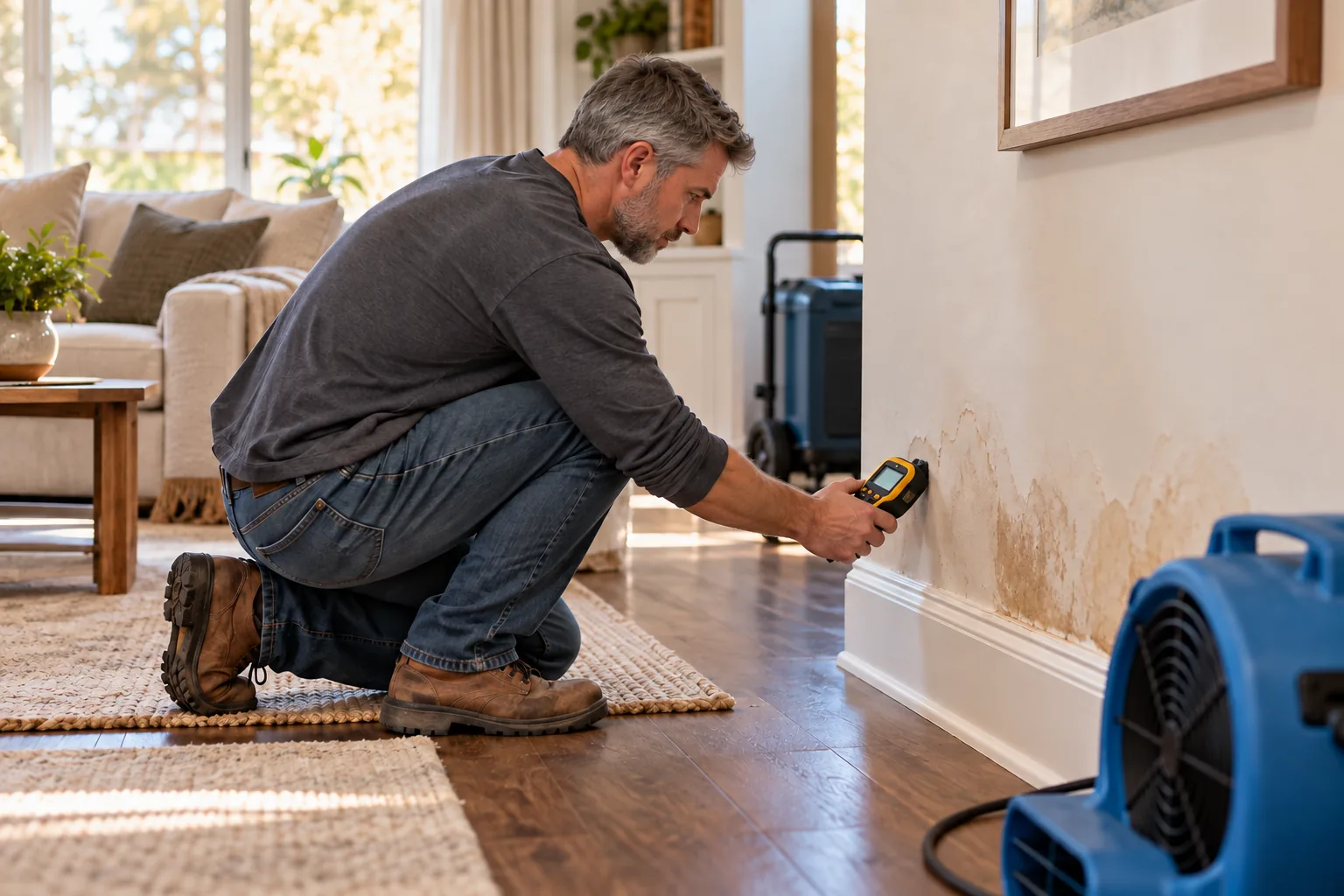
Bear technicians use pin-type moisture meters, non-invasive sensors, and thermal imaging cameras during every water damage restoration job in NWA. A pin meter drives two small probes into wood or drywall and measures electrical resistance, which changes with moisture content. A non-invasive meter reads electromagnetic signals through the surface without puncturing it, useful for finished floors and tile. Thermal cameras catch cool spots that indicate evaporative moisture inside wall cavities, even after surfaces feel room temperature to the touch.
The numbers matter because “dry enough” is not a judgment call. Structural wood sitting above 19 percent moisture content is at active risk for mold colonization, according to EPA mold guidance. Drywall above 1 percent above its equilibrium moisture content will support mold growth given enough time. In NWA, where summers push ambient humidity above 70 percent regularly, structures take longer to dry than in drier climates. That means monitoring cannot stop at day two just because the floors feel dry.
Equipment Used to Track Moisture in a Drying Zone
For complete coverage of the drying process from start to finish, see our Drying & Dehumidification Services After Water Damage resource.
Three categories of tools do the actual measuring on a professional drying job. Each serves a different purpose and none replaces the others.
What does a moisture meter actually measure?
A moisture meter measures either electrical resistance (pin type) or dielectric properties (non-invasive type) in a material and converts that reading to a percentage of moisture content by weight. For wood, readings above 19 percent signal active risk. For drywall, anything more than 1 percent above the manufacturer’s equilibrium value, typically around 5 to 12 percent depending on product, means the material is still holding water it should not have. Crews take readings at multiple depths and locations because moisture migrates and pools unevenly. A single reading in the center of a room tells you almost nothing useful.
How do thermal cameras find hidden moisture?
Thermal imaging cameras detect surface temperature differences caused by evaporative cooling. Wet materials cool as moisture evaporates, so they show up as darker, cooler zones on a thermal image compared to surrounding dry material. A trained technician can identify wet insulation behind drywall, moisture pooled under a vinyl floor, or water tracking along a ceiling joist without cutting a single hole. This saves significant repair cost. However, thermal cameras need a temperature differential of at least 5 to 10 degrees Fahrenheit between wet and dry surfaces to produce a readable image, so they work best when equipment has been running and creating air movement for at least a few hours first.
What is a psychrometer and why do crews use one?
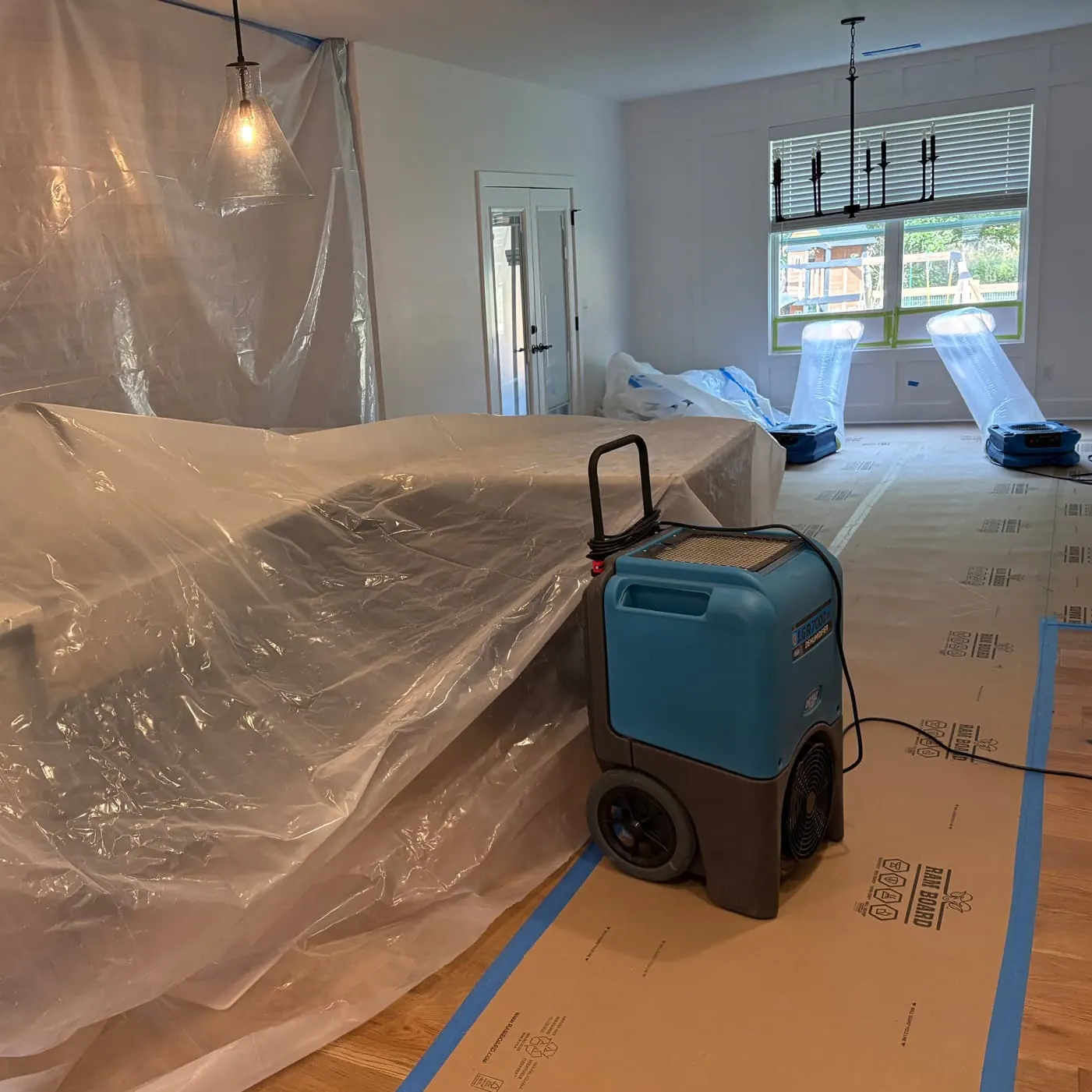
A psychrometer measures both dry-bulb and wet-bulb air temperature, which lets technicians calculate relative humidity and dew point inside a drying zone. Knowing the dew point tells the crew whether the air is actually capable of absorbing more moisture from materials. If relative humidity inside a contained drying zone climbs above 60 percent, the dehumidifiers are either undersized for the space, losing capacity from a full tank, or placed in a spot where airflow does not reach the wet materials. Target conditions for an active drying zone in NWA are generally 70 to 90 degrees Fahrenheit with relative humidity between 30 and 50 percent. Air moving at 100 to 200 linear feet per minute across wet surfaces speeds evaporation significantly.
Reading a Drying Log and What the Numbers Should Show
Professional water damage restoration produces a written drying log with readings taken at the same locations, at the same time each day, until the job reaches drying goals. That log is not just paperwork. Insurance adjusters use it to confirm that the drying period was adequate before approving contents or structural replacement. If mold shows up six months later and you need to show the restoration was done correctly, the drying log is your evidence.
What does a good drying curve look like?
A healthy drying curve shows readings dropping consistently across consecutive days. A wood subfloor that starts at 28 percent moisture content should show measurable reduction, typically 3 to 5 percentage points per day in a well-controlled drying environment, moving toward the 16 percent or below target. If readings plateau or rise between days, something is wrong. Either a moisture source is still active, the equipment layout is creating a dead zone, or ambient outdoor air is being pulled in and adding humidity to the space. Plateaued readings for two consecutive days require a job reassessment, not just continued waiting.
When is a structure officially dry?
According to IICRC standards for water damage restoration, a structure reaches drying completion when all affected materials return to equilibrium moisture content for their material class and the local climate. In practical terms for NWA, that means wood framing and subfloor below 16 percent, drywall at or near its pre-loss moisture content (usually 5 to 12 percent), and ambient relative humidity in the drying zone below 50 percent. Concrete slabs take longer because concrete is dense and moisture moves slowly through it. A slab that reads below 4 percent by weight is generally acceptable for home reconstruction after water damage. Rushing past these numbers to meet a schedule is the most common preventable mistake in water damage restoration.
How NWA’s Climate Affects Drying Timelines
Northwest Arkansas sits in a humid subtropical climate zone. Average July relative humidity in Fayetteville and Springdale runs between 70 and 80 percent in the morning hours. That ambient humidity is the enemy of structural drying. When outdoor air leaks into a drying zone through gaps in containment or open doors, it brings moisture with it and forces dehumidifiers to work harder just to maintain baseline conditions before they can actually pull moisture out of materials.
Should windows be open or closed during drying?
Windows should stay closed during active drying in NWA from late spring through early fall. Bringing in outdoor air that is 75 percent relative humidity into a drying zone running at 40 percent relative humidity defeats the dehumidifiers and extends drying time by days. The exception is late fall and winter when outdoor dew points drop below the indoor dew point, meaning outside air is actually drier. An experienced technician checks outdoor psychrometric conditions before deciding on ventilation strategy. This is not intuitive, which is why DIY drying with box fans and open windows often fails in NWA summers. For more detail on how long the full process takes, see our guide on how long drying takes after water damage.
Does the season change how long drying takes?
Yes, significantly. A Category 1 water loss in a Bentonville home in January with outdoor temperatures in the 40s may dry in 3 to 4 days. The same loss in a Rogers home in August can take 5 to 7 days or longer because ambient conditions fight the equipment constantly. Summer jobs may require larger dehumidifier capacity or more units to hit the same drying targets in the same timeframe. Flood damage cleanup after heavy spring storms, which are common in NWA, also tends to involve ground saturation that keeps basement slabs and crawl spaces wet longer than the structural materials above them.
Common Moisture Monitoring Mistakes That Lead to Mold
Mold can begin colonizing wet materials in as little as 24 to 48 hours under the right conditions, according to EPA mold prevention resources. That window is tight, and monitoring errors are the most common reason a water damage job turns into a mold removal job weeks later.
What happens if moisture monitoring stops too early?
If crews pull equipment based on elapsed time rather than actual readings, materials left above target moisture content will continue to hold water. That water cannot escape once airflow and dehumidification stop. Wall cavities that reached 22 percent moisture content and only dropped to 18 percent before equipment removal will continue to support microbial activity. Within two to four weeks, homeowners in Centerton, Tontitown, or any other NWA community often notice musty odors, discoloration on walls, or visible mold growth. At that point, the project now requires mold removal in addition to the original water damage repair, and costs escalate substantially.
Can a homeowner monitor moisture themselves between crew visits?
A homeowner can purchase a basic non-invasive moisture meter for $30 to $80 and take surface readings to compare against baseline numbers the crew recorded. This is useful for flagging obvious anomalies between daily professional check-ins. However, consumer-grade meters are not calibrated for the same precision as professional equipment, and they cannot read inside wall cavities or differentiate between material types accurately without calibration tables. Use them to track trends and flag concerns, not to make decisions about equipment removal. If readings rise between professional visits, call the crew before adjusting anything.
How Moisture Data Connects to Your Insurance Claim
Insurance companies have become increasingly specific about what documentation they require to approve drying costs and material replacement. A claim without a drying log, psychrometric readings, and equipment placement records is harder to support. Adjusters from most carriers want to see daily readings at documented locations, equipment make, model, and placement, and a clear narrative showing the drying curve from initial readings to goal.
Does the drying log affect what insurance pays?
Yes, directly. A well-documented drying log supports the necessity of each day of equipment rental and labor. If the log shows readings plateau
Bear’s water damage services.
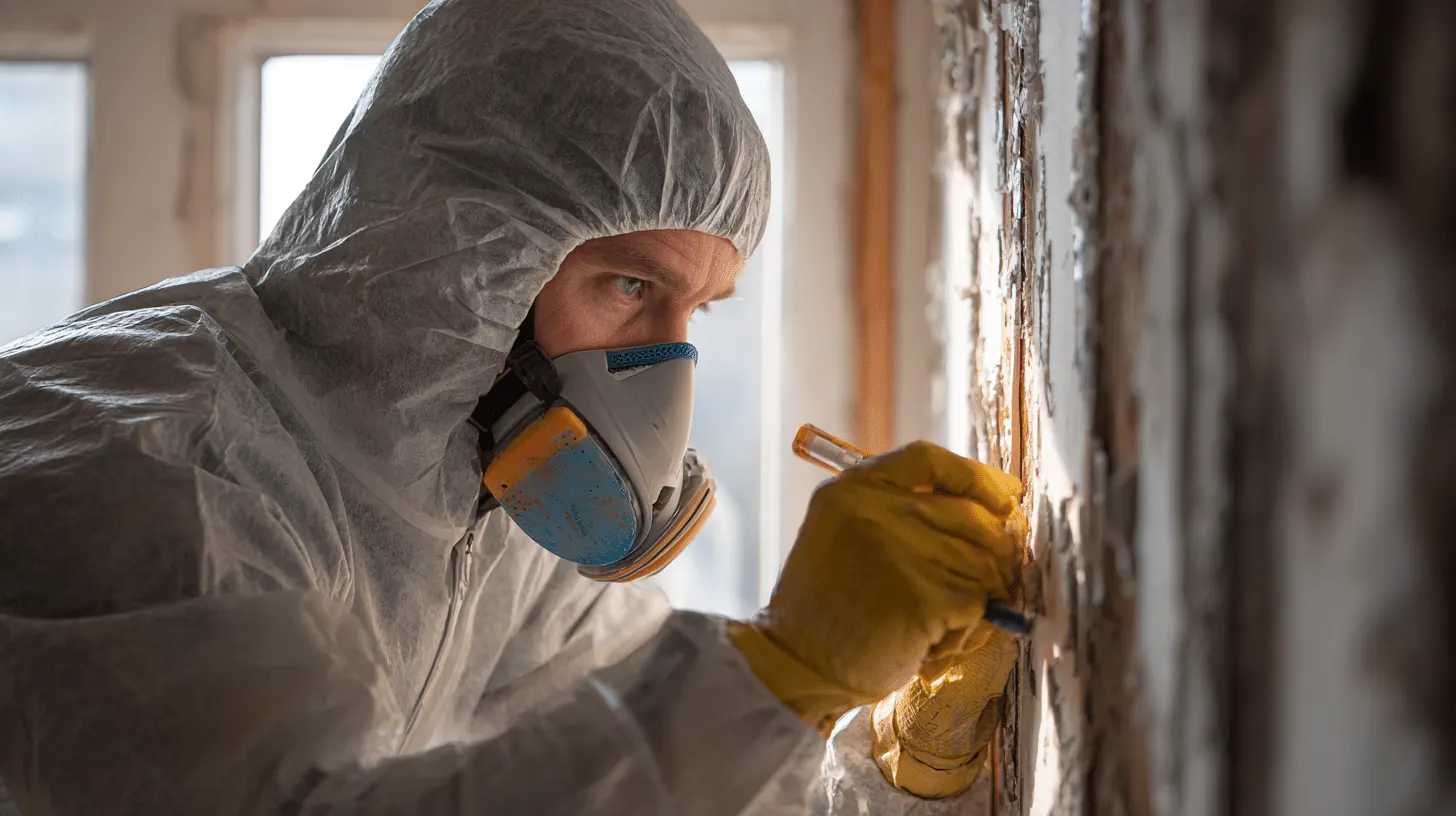 Water RemovalCommercial-duty pumps and vacuums extract water fast to limit the damage.
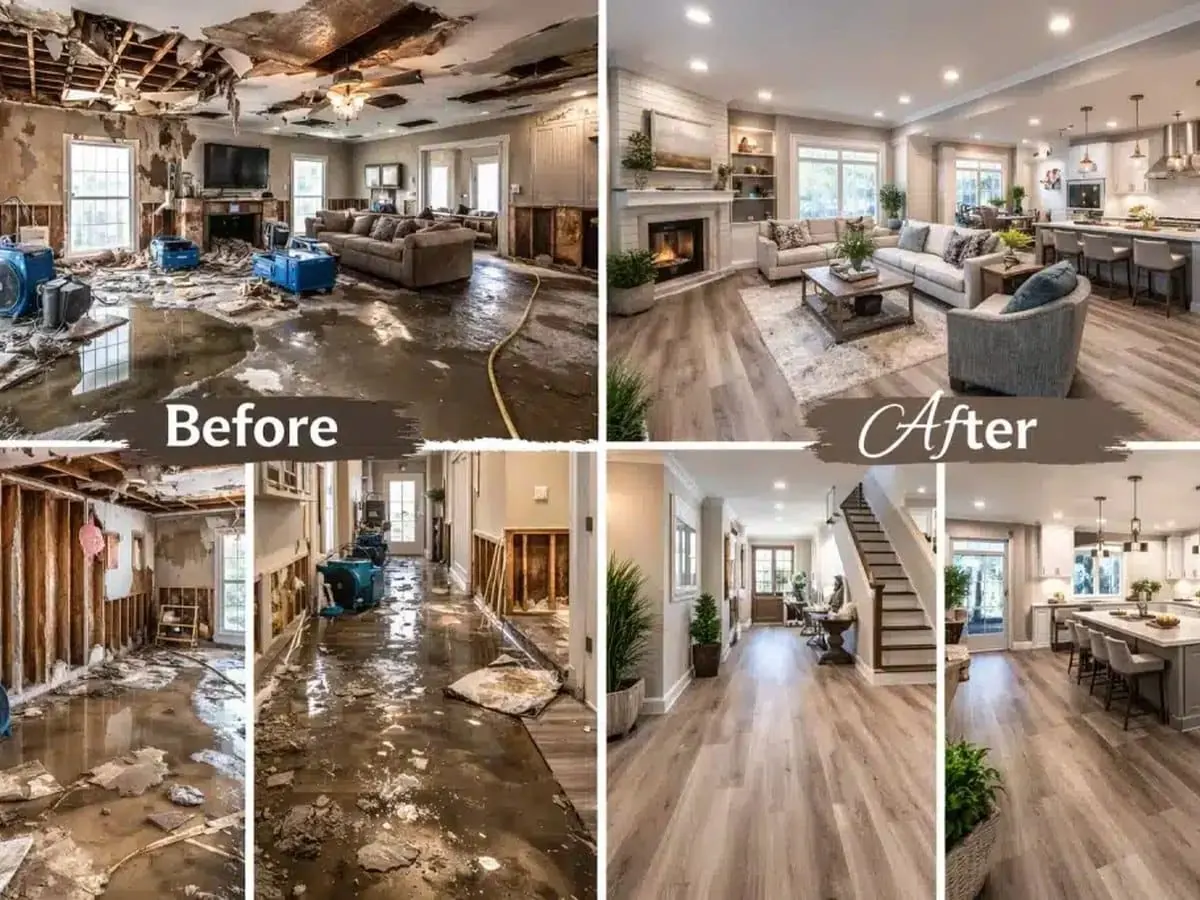 Structural DryingAir movers, dehumidifiers and moisture meters pull water out of framing, subfloor and drywall.
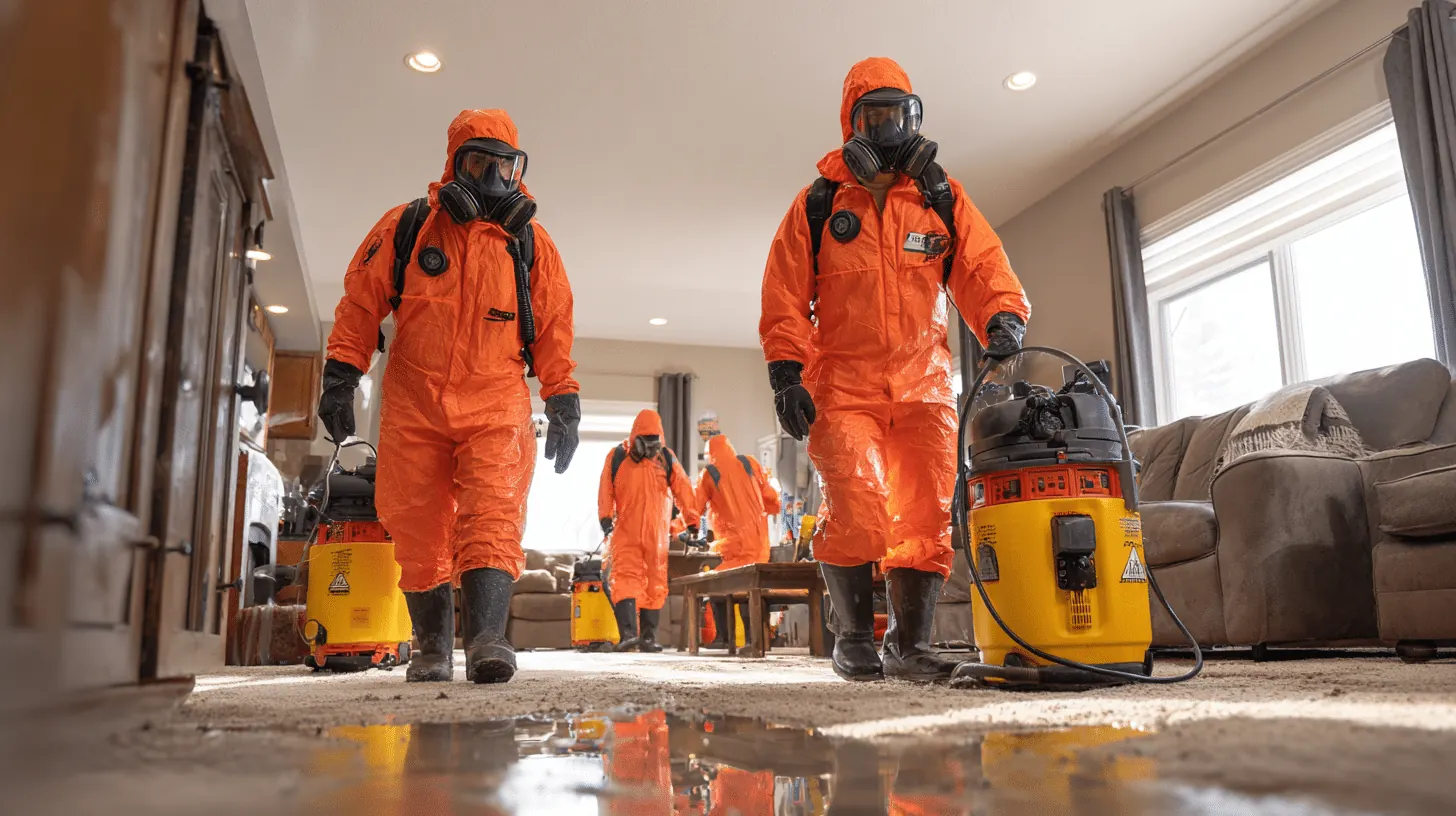 Water Damage RepairsExpert assessment, thorough restoration and full documentation.
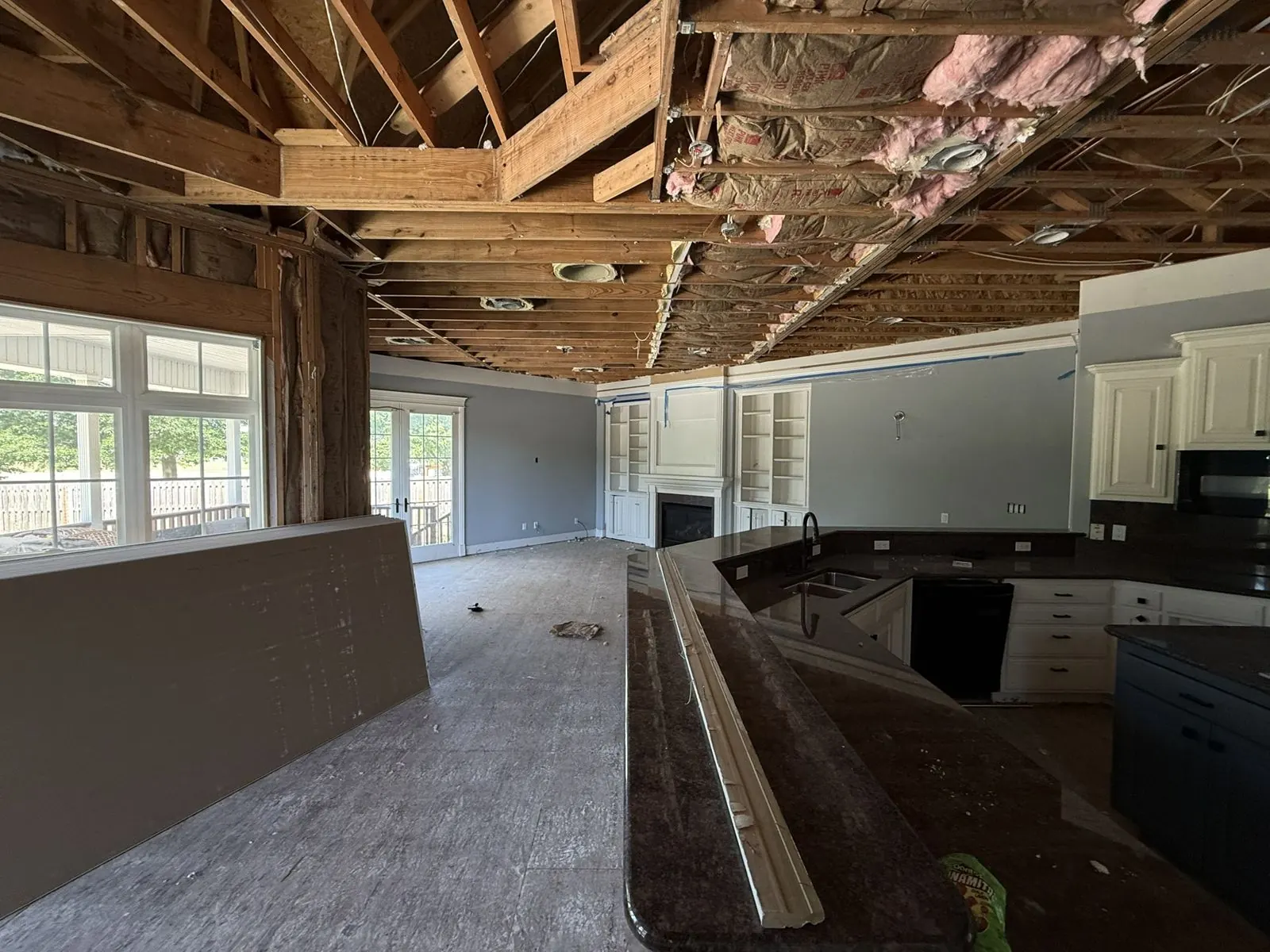 Flood Damage CleanupDebris removal, drying and disinfection after a flood.
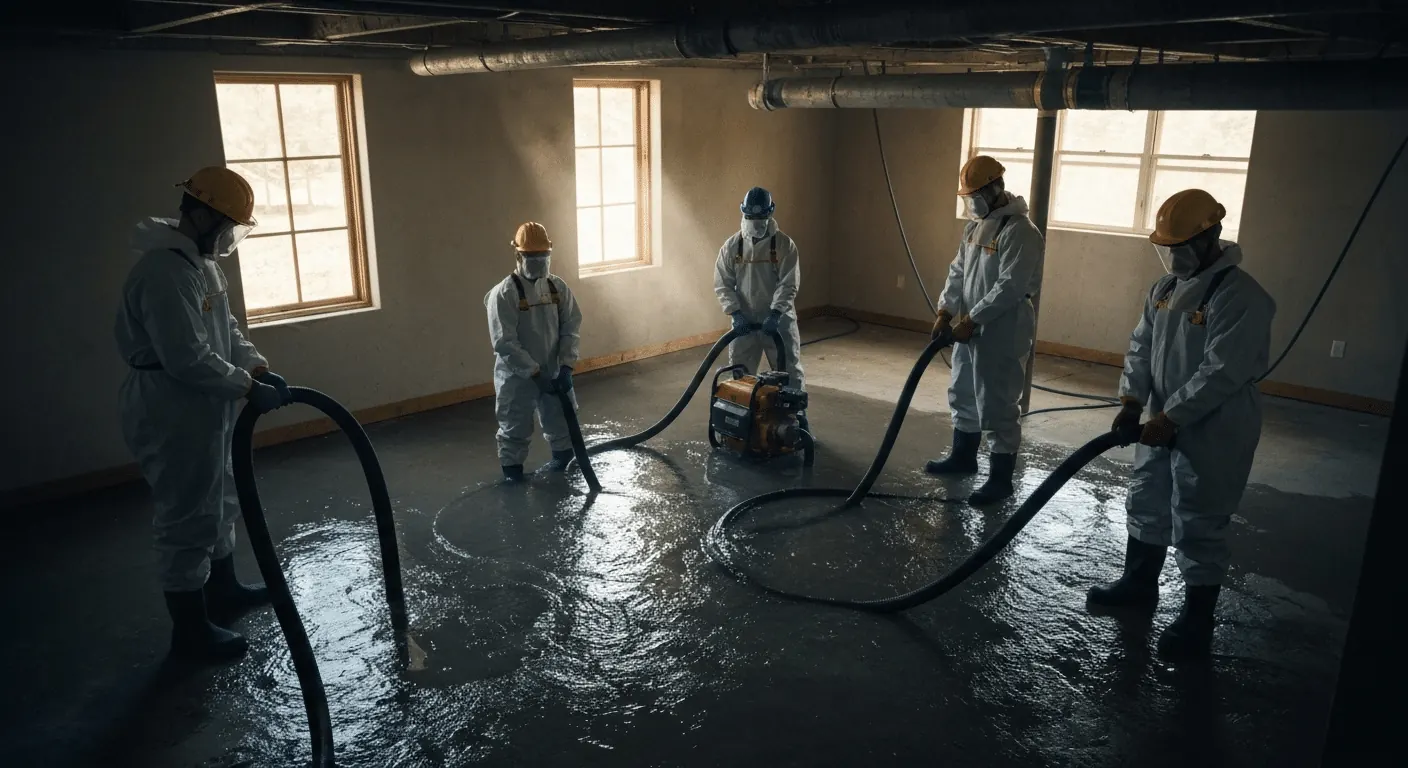 Sewage CleanupSanitization, decontamination and structural restoration.After Water DamageWhat to do in the first hour: shut-offs, photos and when to call.