Who to Call for Water Damage in Fayetteville AR and NWA
If you are dealing with water damage in Fayetteville, AR or anywhere in Northwest Arkansas, Bear is the local team to call.
Who to Call for Water Damage in Fayetteville AR Right Now
We handle everything from burst pipes and flood damage cleanup to commercial water damage repair across Fayetteville, Springdale, Rogers, Bentonville, Bella Vista, Centerton, Cave Springs, Lowell, Tontitown, Johnson, Greenland, and surrounding NWA communities. We answer 24 hours a day, 7 days a week, because water damage does not wait for business hours.
When water is spreading through your home or business, call a local restoration company that can reach you fast, assess the damage honestly, and work directly with your insurance adjuster. Bear is a small, local NWA team serving Fayetteville, Springdale, Rogers, Bentonville, and surrounding communities. We are not a national franchise. When you call us, you talk to someone who knows NWA, not a call center.
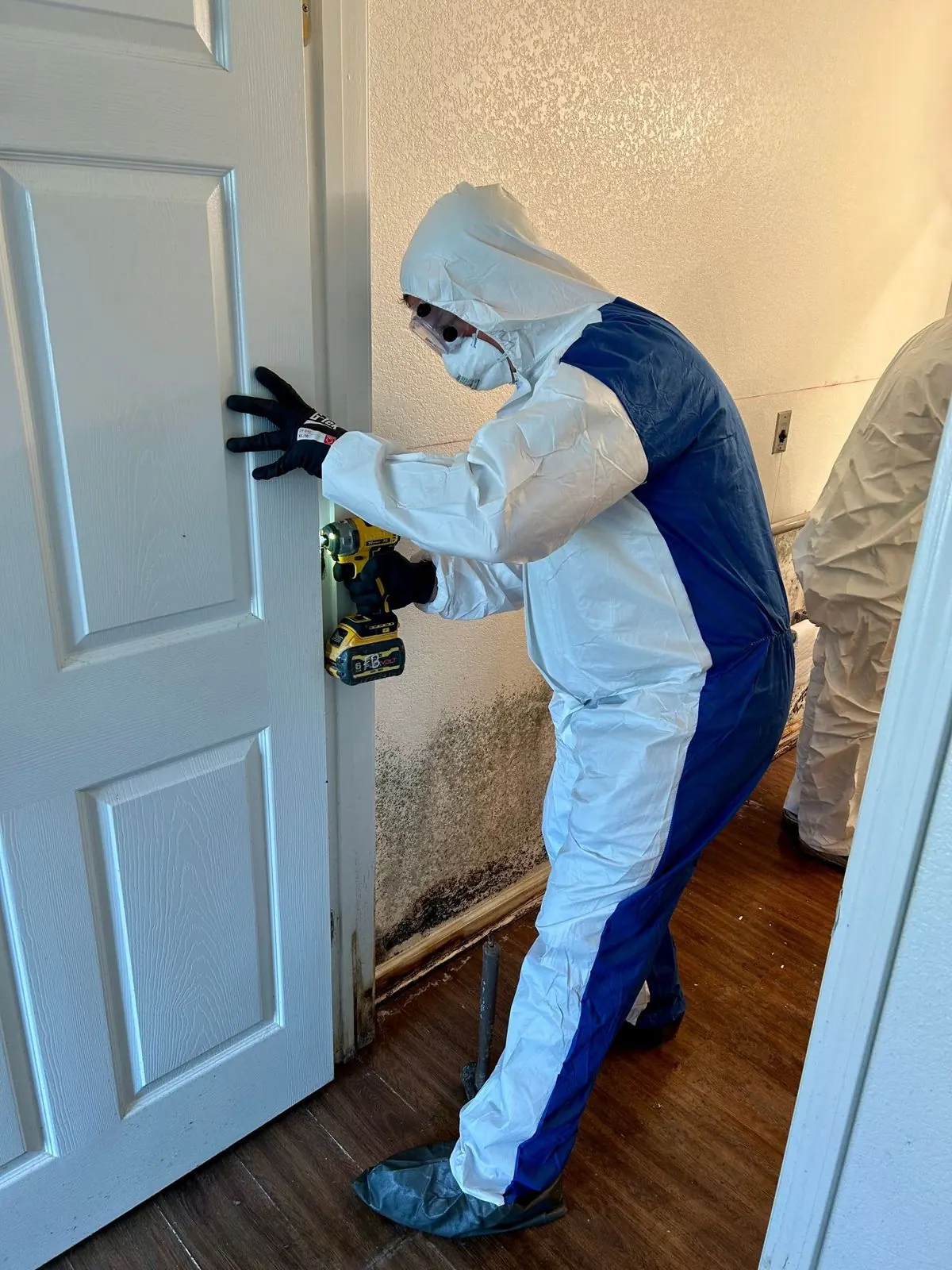
Bear provides 24/7 emergency water damage response with certified technicians and direct insurance billing. The first 24 to 48 hours after water damage are critical. The Environmental Protection Agency states that mold can begin growing within 24 to 48 hours in moist conditions. Waiting even a few hours can turn a manageable repair into a much larger and more expensive problem.
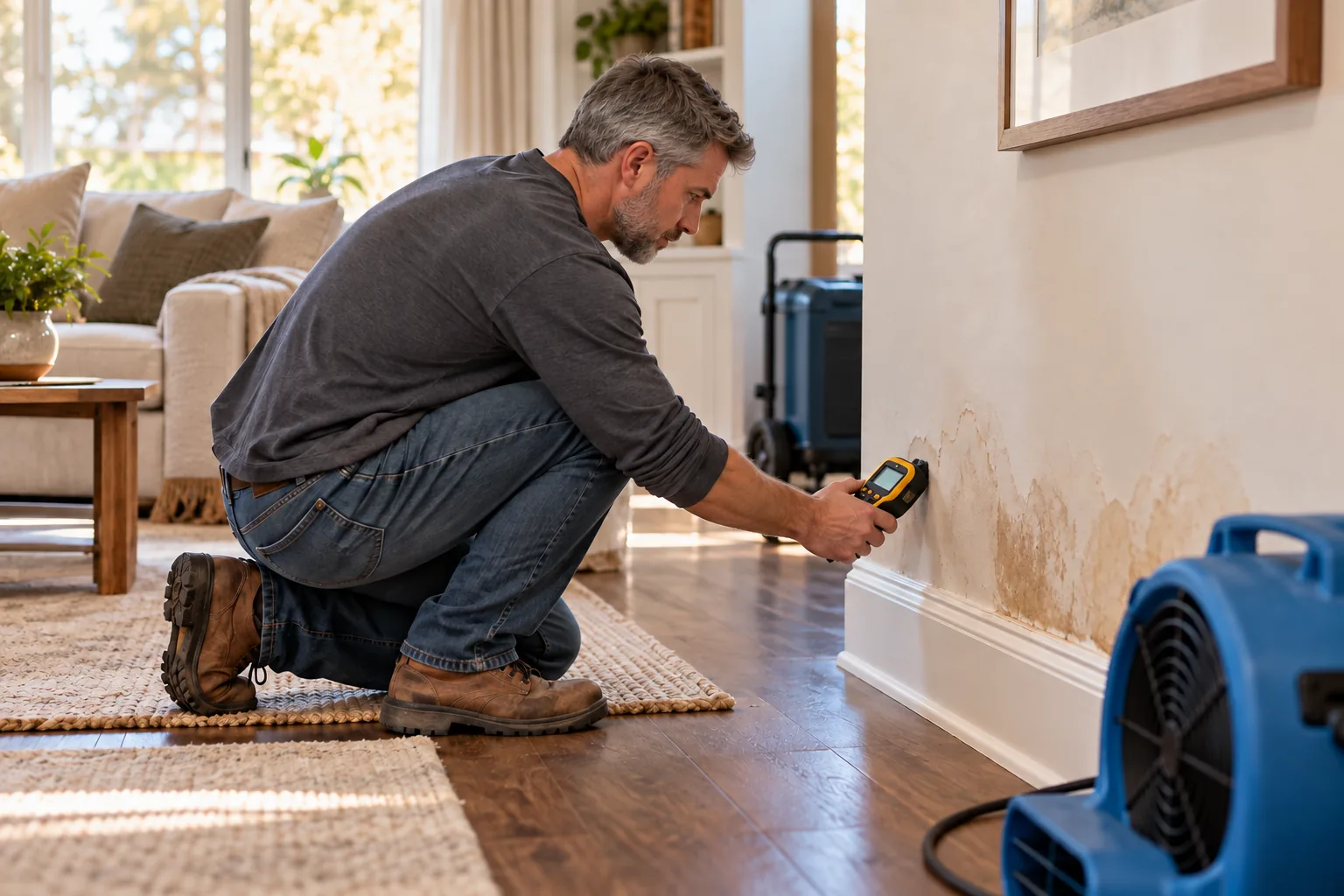
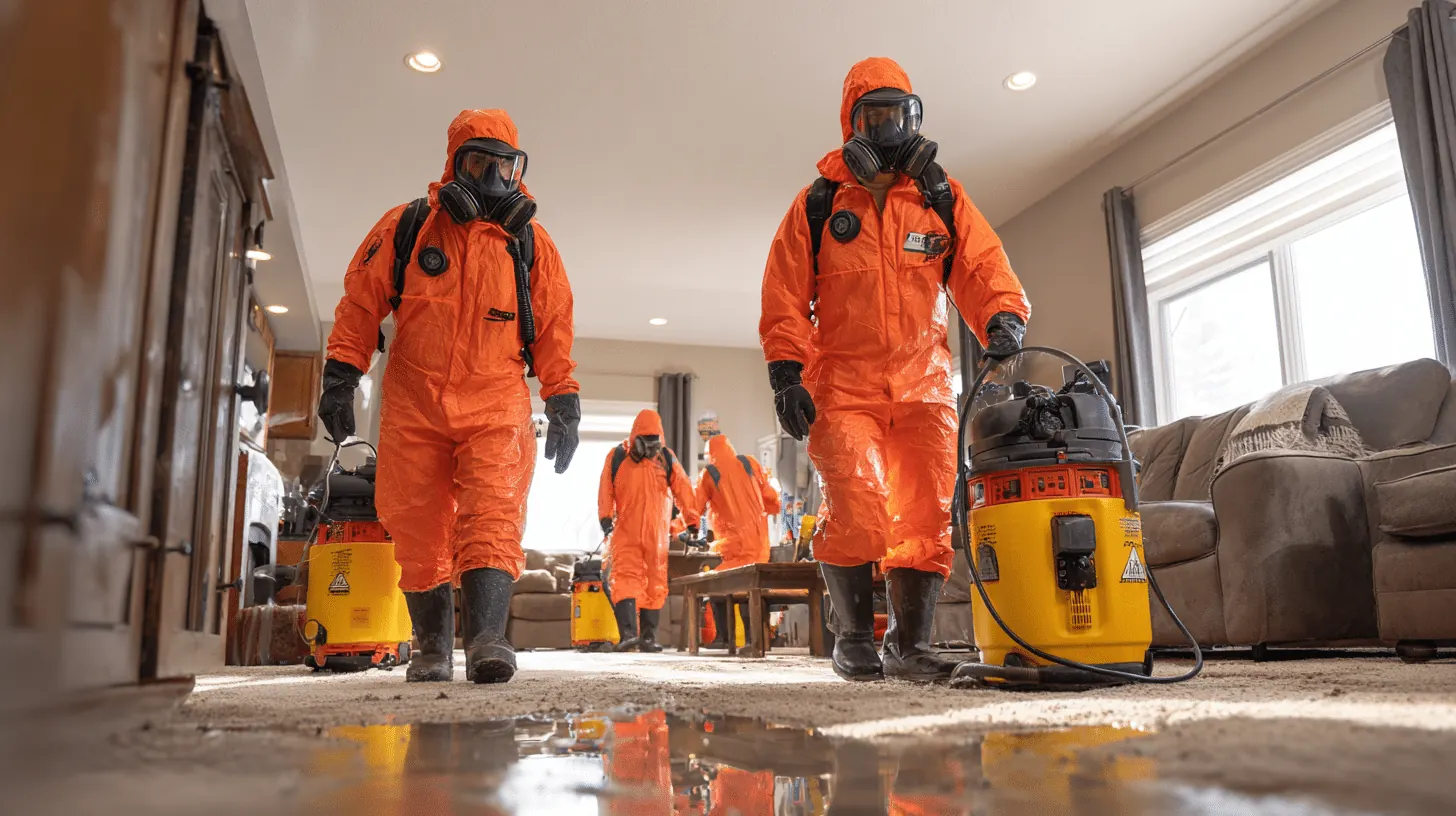
When you call Bear at 479-321-1313, we dispatch immediately. Our team arrives with industrial extraction equipment, moisture meters, and thermal imaging cameras to find every pocket of water, including what is hiding behind walls and under flooring. We document everything for your insurance claim from the moment we walk in.
What to Do in the First Hour After Water Damage
In the first hour after discovering water damage, shut off the water source if you can, cut power to affected areas if it is safe to do so, move valuables out of standing water, and call a professional restoration team. Do not use a household vacuum on standing water and do not walk on wet flooring more than necessary.
Here is a simple order of operations for the first 60 minutes:
- Turn off the water supply at the main shutoff or at the fixture causing the problem
- If there is any electrical risk, do not enter standing water until power is off
- Move furniture, electronics, and important documents to dry areas
- Take photos of everything before touching or moving items
- Call Bear at 479-321-1313 for 24/7 emergency response
One thing DIY-first homeowners frequently underestimate is how far water travels. A washing machine overflow on the first floor can saturate the subfloor and show up as a ceiling stain two rooms away. Professional moisture detection equipment finds water that your eyes cannot. Skipping that step is often what turns a $2,000 repair into a $15,000 mold remediation job.
The Complete Water Damage Restoration Process
Professional water damage restoration follows a systematic process built around the standards of the Institute of Inspection, Cleaning and Restoration Certification (IICRC). It starts with moisture mapping, moves through extraction and drying, then cleaning and sanitizing, and finishes with full structural restoration so your property is returned to pre-damage condition.
Here is how each phase works in practice:
Assessment and moisture mapping: Technicians use thermal imaging cameras and moisture meters to identify all affected areas, including hidden moisture behind walls, under flooring, and inside ceiling cavities. No guessing. Every reading is documented.
Emergency water extraction: Industrial pumps and wet vacuums remove standing water as quickly as possible. Speed here directly limits secondary damage and reduces overall drying time.
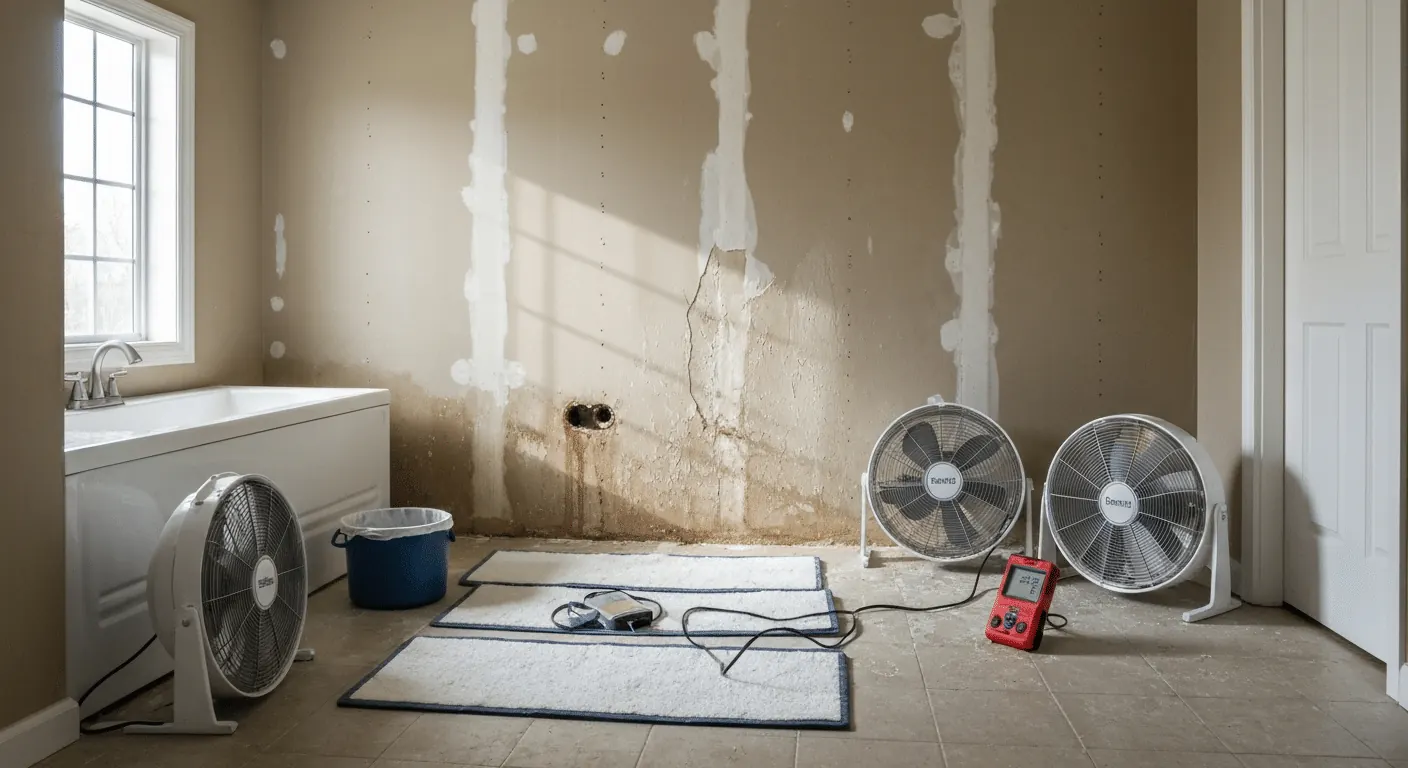
Drying and dehumidification: Commercial air movers and dehumidifiers are placed based on the moisture map. The drying phase typically takes 3 to 5 days for most residential properties. Technicians take daily moisture readings and adjust equipment placement until target levels are reached throughout every affected material.
Cleaning and sanitizing: Once dry, affected surfaces are treated with antimicrobial solutions. Contaminated materials are properly removed and disposed of. Odor removal is addressed at this stage as well.
Restoration and reconstruction: Damaged drywall, flooring, insulation, and structural elements are replaced. Reconstruction services are coordinated directly with the restoration process so you are not managing two separate contractors.
Water Damage Risks Specific to Northwest Arkansas
Northwest Arkansas faces a specific combination of weather patterns, soil conditions, and housing stock that increases water damage risk compared to many other regions. The National Weather Service reports that Arkansas receives an average of 45 inches of rainfall annually, with the heaviest precipitation in spring and early summer. NWA also experiences periodic ice storms that cause burst pipes in homes that were not built or insulated with hard freezes in mind.
Clay soil is a factor that surprises many homeowners who move to the region. NWA’s expansive clay soil shifts as it absorbs and releases moisture, which puts pressure on foundations and can create cracks that allow water intrusion. Homes built on slab foundations are particularly vulnerable. HVAC condensation issues are another common culprit, especially in homes where drain lines are partially blocked or improperly routed.
Water damage in NWA homes falls into three categories based on contamination level. Clean water comes from supply line breaks or rain intrusion. Gray water comes from appliance malfunctions like dishwashers or washing machines. Black water comes from sewage backups or external flooding and requires the most protective protocols. Each category calls for a different remediation approach, and misidentifying the water source is a mistake that can create serious health hazards.
Flood Damage Restoration in NWA
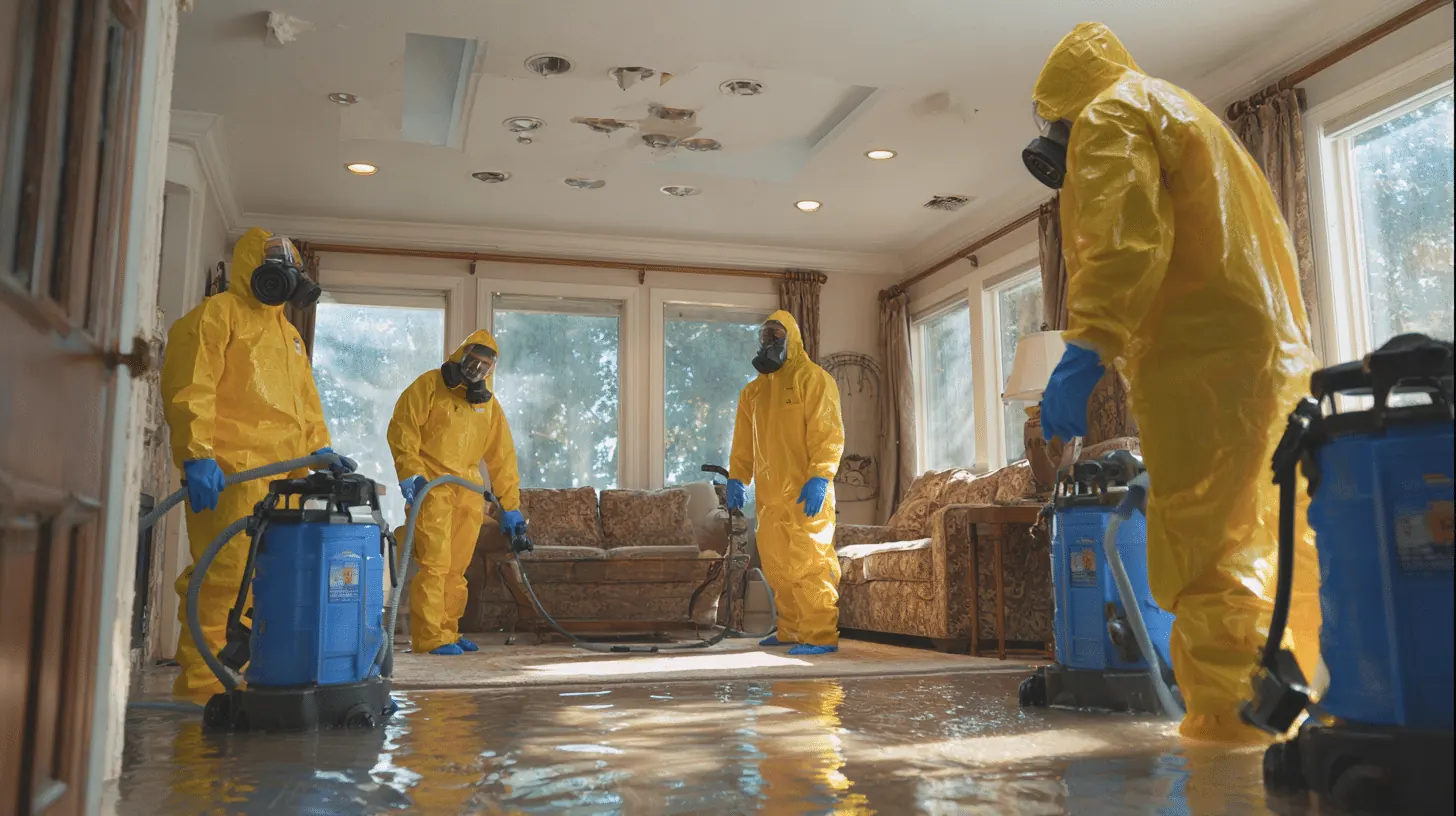
Flood damage restoration in NWA requires specialized treatment because floodwater almost always carries contaminants from soil, sewage, and runoff. Bear handles flood damage cleanup across Fayetteville, Springdale, Rogers, Bentonville, and the surrounding region, applying the full IICRC protocol for Category 3 water events.
Flood events in Northwest Arkansas often follow severe spring thunderstorms or rapid snowmelt. Flash flooding can push contaminated water into basements, crawl spaces, and ground-floor living areas faster than most homeowners expect. The cleanup process for flood damage is more involved than a standard pipe leak because every surface that contacted floodwater must be treated as potentially contaminated.
During flood damage restoration, our team:
- Establishes containment to prevent cross-contamination to unaffected areas
- Removes and properly disposes of flooring, drywall, and insulation below the flood line
- Applies EPA-registered antimicrobial treatments to all structural surfaces
- Runs industrial drying equipment until moisture readings return to normal baselines
- Documents every step for flood insurance claims
If you are dealing with storm damage alongside flooding, such as a compromised roof combined with interior water intrusion, we also provide board-up and tarping services to stop additional water entry while repairs are planned.
Commercial Water Damage Repair in NWA
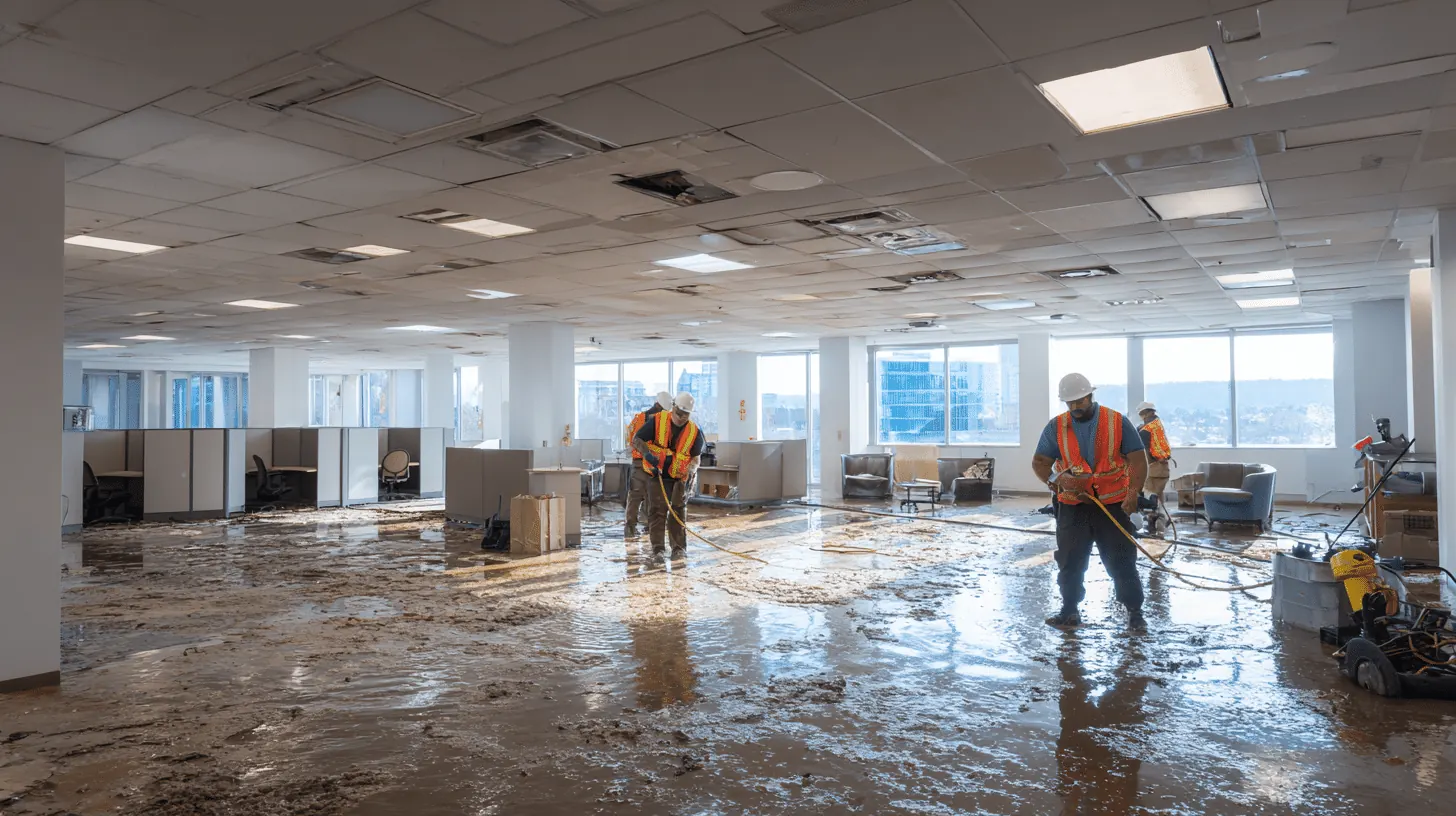
Commercial water damage repair in NWA requires faster timelines and more complex coordination than residential work because every day a business is closed or partially operating costs money. Bear handles commercial water damage for property managers, business owners, and building operators throughout Northwest Arkansas.
Common commercial water damage scenarios we respond to include sprinkler system activations, roof drain failures, broken supply lines in multi-tenant buildings, and flooding in retail or warehouse spaces. The scope is larger, the drying equipment requirements are greater, and the documentation for commercial insurance claims is more detailed. Our team understands all of it.
We work around your operating schedule where possible, staging equipment to minimize disruption to the areas of your building still in use. We coordinate directly with your insurance adjuster and provide detailed moisture logs, equipment records, and photo documentation throughout the project. If you manage multiple properties in the Fayetteville, Springdale, Rogers, or Bentonville area, we can establish a standing agreement for priority emergency response.
Timeline and Cost Expectations for Water Damage Repair
Water damage repair in Northwest Arkansas typically costs between $1,500 for minor single-room incidents and $50,000 or more for severe flooding with structural damage. The average water damage insurance claim in Arkansas is approximately $11,500, according to the Insurance Information Institute. Your actual cost depends on the size of the affected area, the water category, what materials need replacement, and how long the water sat before extraction began.
Timeline is closely tied to damage extent:
- Minor damage, single room: 3 to 5 days drying, 1 to 2 weeks total restoration
- Moderate damage, multiple rooms or structural elements: 2 to 4 weeks
- Severe flooding or extensive structural damage: 4 to 8 weeks or longer
One of the most common cost drivers we see is delayed response. Homeowners who try to dry things out with fans and dehumidifiers from a hardware store often do not achieve adequate structural drying. Hidden moisture leads to mold growth, which means remediation costs stack on top of the original repair estimate. Getting professional equipment deployed in the first 24 hours is almost always less expensive than addressing secondary damage a week later.
Working With Your Insurance Company After Water Damage
Most homeowner’s insurance policies in Arkansas cover sudden and accidental water damage, such as burst pipes or appliance failures, but not gradual leaks or flooding from external sources. Flood damage requires a separate flood insurance policy. Bear works directly with insurance adjusters and provides direct insurance billing so you are not caught in the middle managing paperwork during an already stressful situation.
Here is what proper documentation looks like from day one:
- Photographs and video of all affected areas before any work begins
- Moisture readings mapped to a floor plan showing affected zones
- Equipment placement logs with settings and daily readings
- Itemized scope of work submitted to the adjuster
- Material samples or documentation for items requiring replacement
Contractors who skip thorough documentation upfront often leave homeowners in disputes with their insurance company about what was actually damaged. We treat every job as if it will require adjuster review, because most of them do. If you want to understand what your policy likely covers before calling your insurer, review your declarations page and look for the terms “sudden and accidental” and “flood exclusion.”
Prevention and Maintenance to Reduce Water Damage Risk
Regular preventive maintenance is the most cost-effective way to reduce water damage risk in an NWA home. Key priorities include annual plumbing inspections focused on supply line connections under sinks and behind appliances, annual roof evaluations before spring storm season, gutter cleaning twice per year, and HVAC system maintenance that includes checking condensate drain lines for blockages.
Foundation drainage deserves specific attention in NWA. Proper grading around your home should slope water away from the foundation at a rate of about 6 inches over the first 10 feet. Downspout extensions should carry roof runoff at least 4 to 6 feet from the foundation. These two steps alone prevent a significant share of the basement and crawl space flooding calls we respond to every spring.
Water detection devices are inexpensive and genuinely useful. Place them near water heaters, under sinks, behind refrigerators with ice makers, and in any basement or crawl space. Many smart home systems can send an alert to your phone the moment a sensor detects moisture. That kind of early warning can be the difference between a $300 repair and a $12,000 restoration project.

Frequently Asked Questions
Who should I call for water damage in Fayetteville AR?
Call a local, licensed, and IICRC-certified restoration company with 24/7 emergency availability. Bear serves Fayetteville, Springdale, Rogers, Bentonville, Bella Vista, and surrounding NWA communities. You can reach us at 479-321-1313 any time of day or night. The sooner you call, the less secondary damage you will face. The 24 to 48 hour window is critical for preventing mold growth, which can significantly increase overall restoration costs and complexity.
How quickly should I contact a water damage professional?
Contact a professional within the first hour of discovering damage if possible. The EPA reports that mold can begin growing within 24 to 48 hours in moist conditions. Acting fast limits the scope of drying required, reduces the risk of structural damage, and protects air quality. If you cannot stop the water source yourself, call us and a plumber at the same time so both problems get addressed without delay.
Will my homeowner’s insurance cover water damage repair in NWA?
Most standard homeowner’s insurance policies cover sudden and accidental water damage, such as burst pipes, appliance failures, or storm-driven rain intrusion through a damaged roof. Gradual leaks from deferred maintenance are typically excluded, as is flooding from external sources like rivers or storm surge, which requires a separate flood insurance policy. Bear works directly with insurance adjusters and handles direct billing to simplify your claims process.
What is the difference between water damage restoration and flood damage repair?
Water damage restoration usually refers to damage from internal sources like plumbing failures, appliance leaks, or HVAC issues. Flood damage repair addresses water that entered your home from an external source, such as a storm-driven flood or overflowing drainage. Floodwater is classified as Category 3 contaminated water, which means every surface it touched requires more intensive decontamination protocols, and affected materials below the flood line are typically removed rather than dried in place.
Can I handle water damage cleanup myself?
You can take immediate protective steps, like stopping the water source, cutting power to affected areas, and moving valuables. But professional restoration is the right call for anything beyond a very minor surface spill. Household fans and rental dehumidifiers rarely achieve the drying rates needed to prevent mold in walls, subfloors, and structural cavities. Missed moisture is the leading cause of mold growth after water damage events, and mold remediation costs significantly more than proper drying would have in the first place.
How long does water damage restoration take?
The drying phase for most residential water damage takes 3 to 5 days with professional equipment. Total restoration, including repairs to drywall, flooring, and structural elements, typically runs 1 to 4 weeks depending on how much was damaged. Severe flooding or damage involving multiple floors can take 4 to 8 weeks. Bear provides a specific timeline estimate after the initial assessment, and we update you as moisture readings progress through the drying phase.
Can I stay in my home during water damage restoration?
It depends on the location and severity of the damage. If water affected a single bathroom or laundry room and there is no contamination risk, many homeowners stay in place comfortably. If flooding involved sewage or external floodwater, or if large sections of the home are being dried or reconstructed, temporary relocation is often the safer and more practical choice. Your Bear technician will assess conditions on site and give you a straightforward recommendation.
Keep reading.
 Start hereHow long does drying take after water damage?What a realistic drying timeline looks like, and what slows it down.Read guide →
 Emergency commercial water damage responseRead guide →
 Storm damage restoration in Northwest ArkansasRead guide →
 Water damage insurance claim tipsRead guide →
 Mold remediation after water damageRead guide →