


Key Takeaways
The right fire restoration company handles structural damage, smoke infiltration, and and water damage from firefighting efforts with verifiable certifications and 24-hour emergency response capabilities.
- Look for IICRC certification and proof of immediate response availability
- Verify they handle both fire damage and secondary water damage from firefighting
- Ask about their smoke odor elimination process and air quality testing
- Confirm they work directly with insurance adjusters and document everything
- Choose companies with local references and established community presence
What Fire Restoration Actually Involves
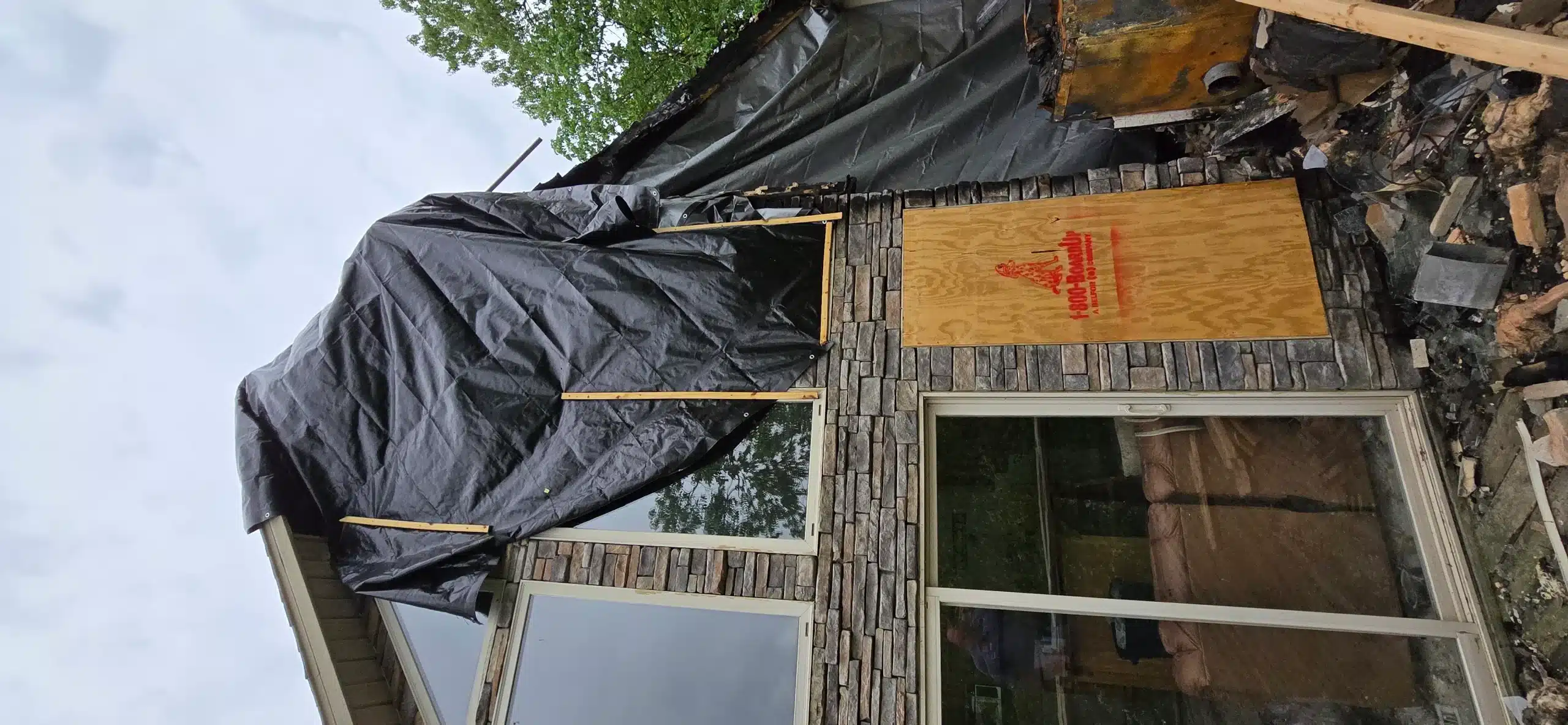
Fire restoration extends far beyond cleaning soot off walls. A complete fire restoration project addresses structural damage, removes embedded smoke particles from porous materials, eliminates lingering odors, and repairs water damage caused by firefighting efforts. The process typically involves emergency board-up services, emergency water extraction, smoke and soot removal, odor neutralization, structural repairs, and content restoration. Each phase requires specific equipment and expertise. Companies that claim they can “make it like it never happened” in 48 hours either don’t understand the scope of fire damage or are making promises they cannot keep. Real fire restoration takes weeks or months depending on damage severity. For more information on fire safety and damage prevention, consult CDC guidelines on emergency preparedness.
Red Flags in Fire Restoration Companies
Avoid companies that show up uninvited at your property after a fire or knock on doors in your neighborhood following local emergencies. Legitimate restoration companies respond when you call them, not when they smell opportunity. Other warning signs include demands for full payment upfront, estimates significantly lower than others, no physical business address, and technicians who cannot explain their restoration process in plain terms. Companies that pressure you to sign contracts immediately or claim your insurance will cover everything without reviewing your policy are prioritizing their payment over your recovery. Ask for local references from jobs completed in the past year and actually call those references. The OSHA website provides standards for workplace safety that professional restoration companies should follow.
Questions That Separate Professional Restorers
Ask potential fire restoration companies specific process questions that reveal their actual experience level. How do they test for smoke penetration in HVAC systems? What is their protocol for handling electronics exposed to smoke? How do they determine which materials can be restored versus replaced? Professional companies explain their methods clearly and can walk you through their equipment. They should discuss air scrubbers, ozone generators, thermal fogging, and hydroxyl generators as specific tools for different situations. Companies that give vague answers about “cleaning everything up” lack the technical knowledge for complex fire restoration. Also verify they handle the secondary water damage restoration from firefighting efforts, as this often causes more long-term problems than the fire itself. The EPA offers resources on indoor air quality and mold prevention relevant to post-fire restoration.
Insurance Coordination and Documentation Standards
A qualified fire restoration company works directly with insurance adjusters and understands the documentation requirements for fire damage insurance claims. They should photograph damage before starting work, provide detailed written estimates that break down labor and materials, and maintain daily logs of restoration activities. Companies experienced with insurance claims know which restoration methods insurers typically approve and can advocate for coverage of necessary work. They should also coordinate with your insurance company’s preferred vendors when required while maintaining independence in their damage assessment. Poor documentation leads to claim delays and coverage disputes that extend your displacement and increase out-of-pocket costs. The moisture detection services component becomes crucial when firefighting water has soaked into walls and flooring systems that appear dry on the surface.
Frequently Asked Questions
How quickly should fire restoration begin after the fire department clears the scene?
Fire restoration should begin within 24 hours to prevent secondary damage like mold growth, corrosion, and permanent odor embedding. Each day of delay increases restoration costs and reduces the likelihood of successful content recovery.
What certifications should a fire restoration company have?
Look for IICRC certification in fire and smoke restoration, water damage restoration, and odor control. Companies should also carry proper licensing, bonding, and insurance coverage that you can verify independently. The NIH provides research on indoor environmental health that relates to post-restoration air quality standards.
Will my insurance cover all fire restoration costs?
Insurance coverage depends on your policy terms and the cause of the fire. A professional restoration company should review your policy, work with your adjuster, and help document covered damages properly.
How do restoration companies eliminate smoke odors permanently?
Professional odor elimination uses thermal fogging, ozone treatment, hydroxyl generators, and specialized cleaning agents to neutralize smoke particles embedded in materials. Surface cleaning alone cannot eliminate deep smoke penetration, which is why professionals understand how to remove smoke smell from house after fire incidents.
Should the same company handle both fire damage and water damage from firefighting?
Yes, because firefighting water damage often exceeds fire damage in scope. Companies that specialize in both understand how water interacts with fire-damaged materials and can coordinate restoration phases efficiently.
How long does complete fire restoration typically take?
Minor fire damage may take 2-4 weeks while major structural fires require 2-6 months. Timeline depends on damage extent, materials affected, insurance approval process, and availability of specialized contractors for water damage drywall replacement and other repairs.
What happens to my belongings during fire restoration?
Professional companies inventory, photograph, and relocate salvageable contents to controlled environments for specialized cleaning. Items are categorized as restorable, non-restorable, or requiring specialized treatment based on smoke and heat exposure.
Get Professional Fire Restoration Help Now
Fire damage spreads beyond what you can see, and delayed restoration leads to permanent losses and higher costs. Every hour matters when smoke particles continue embedding in materials and water damage progresses behind walls. Choose a fire damage restoration company with proven local experience, proper certifications, and the equipment to handle complex restoration challenges. Don’t let insurance pressure or contractor promises rush you into decisions that affect your property’s complete recovery. Call Bear Restoration at (479) 251-5005 for immediate fire damage assessment and restoration services throughout Northwest Arkansas.