How Long Does a Fire Damage Insurance Claim Take to Settle?
Key Takeaways
Most fire damage insurance claims take 30 days to 6 months to settle, depending on the size of the loss, how quickly documentation is completed, and whether scope disputes arise.
Arkansas law requires insurers to acknowledge your claim within 10 business days and issue a coverage determination within 45 days of receiving all required documentation.
According to the Insurance Information Institute, fire and lightning claims are among the most complex property claims to process, with average settlement timelines running longer than water or wind claims. (Insurance Information Institute, 2023)
Having a restoration contractor involved from day one, with professional documentation ready before the adjuster’s first visit, is the single most reliable way to shorten your claim timeline.
If you have just filed a fire damage claim and want to know how long this is going to take, the honest answer is: it depends. A small kitchen fire with clear cause and limited structural damage can settle in three to four weeks. A fire that damages multiple rooms, involves significant personal property loss, or triggers disputes over scope can take four to six months. Total loss situations with full rebuilds can run a year or longer. Understanding what drives those timelines, and what you can do to keep yours moving, matters a great deal when you are displaced from your home in Fayetteville, Bentonville, Rogers, or Springdale.
The Stages of a Fire Damage Claim and How Long Each Takes
Initial Claim Filing and Adjuster Assignment: Days 1 to 10
The clock starts when you call your insurer. Arkansas law requires your insurer to acknowledge your claim within 10 business days of receiving it. (Arkansas Department of Insurance) In practice, most major insurers assign an adjuster within 2 to 5 business days on standard residential claims. Following a regional weather event, like the tornado outbreak that struck Benton and Washington counties in May 2024, assignment timelines stretch because adjusters are managing dozens of simultaneous new claims.
You can move through this stage faster by calling the same day the fire is out, having your policy number, incident report number, and fire department information ready, and following up in writing if you have not received adjuster contact within five business days.
Property Assessment and Damage Documentation: Days 5 to 21
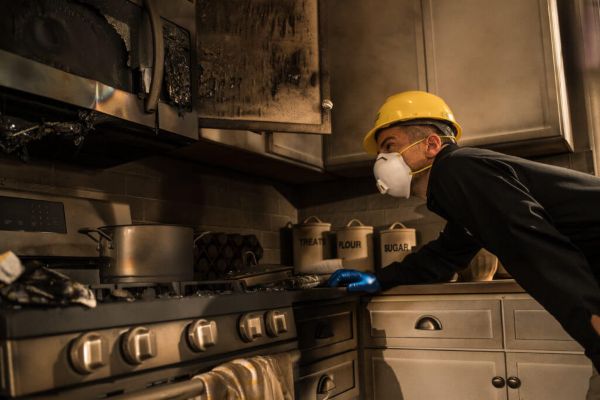
Once your adjuster is assigned, they schedule a property visit. The gap between assignment and visit varies from two days to two weeks depending on caseload and geography. During this phase, your own documentation work runs parallel. Photographing and inventorying the full property, completing a personal property list, and getting a contractor assessment done before the adjuster arrives all happen here.
This stage is where most avoidable delays are introduced. Homeowners who wait for the adjuster to drive the documentation process end up waiting for the adjuster’s schedule. Homeowners who arrive at the adjuster visit with a complete contractor scope in Xactimate format, timestamped damage photos, and a personal property inventory move through assessment in a single visit rather than requiring multiple follow-up inspections. According to a 2023 J.D. Power U.S. Property Claims Satisfaction Study, policyholders who had contractor documentation prepared before the adjuster’s first visit reported claim timelines that were on average 22 days shorter than those who did not. (J.D. Power, 2023)
Bear Restoration conducts professional damage assessments throughout Northwest Arkansas and meets directly with adjusters on site, which compresses this phase significantly.
Estimate Review and Scope Agreement: Days 14 to 45
After the adjuster visit, your insurer prepares a repair estimate. Reviewing that estimate, identifying missing items, and negotiating any disputed line items happens in this window. On straightforward claims with no scope disputes, this phase can close in 10 to 14 days. When smoke damage cleanup throughout the full structure has been underscoped, when water damage repairs from firefighting are missing, or when mold prevention costs are excluded, this phase stretches while supplements are submitted and reviewed.
Arkansas law requires your insurer to issue a coverage determination within 45 days of receiving all required documentation. (Arkansas DOI, Arkansas Code Annotated 23-79-208) That 45-day window is a ceiling, not a target. Most claims with complete documentation and no scope disputes clear this stage in 14 to 21 days.
Active Restoration: Weeks 3 to 26 or Beyond
Once scope is agreed and an initial payment is issued, restoration begins. Timeline from here depends entirely on the extent of the damage.
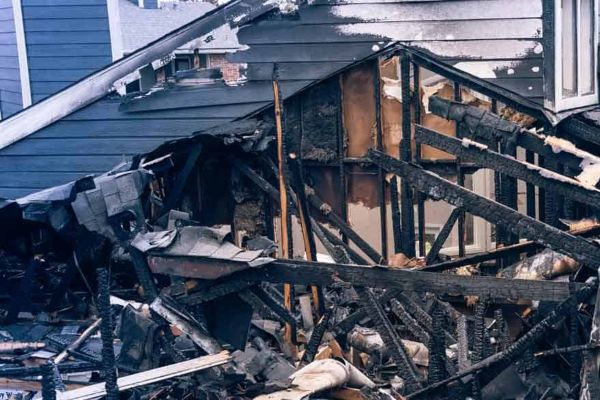
Minor fire damage affecting one room or less with no structural compromise typically takes 1 to 3 weeks of active restoration. Moderate damage affecting multiple rooms, requiring drywall, flooring, and systems work, runs 4 to 10 weeks. Extensive structural damage involving framing repair, roof work, or utility system replacement runs 2 to 6 months. Total loss situations requiring full reconstruction under Bear’s construction services can take 9 to 18 months depending on permitting timelines in Benton or Washington County and material availability.
Your Additional Living Expenses coverage runs for the duration of reasonable restoration time. Knowing your ALE limit before restoration begins helps you plan for displacement costs across the expected timeline.
Supplemental Claims: Ongoing Through Restoration
Hidden damage is routine in fire damage restoration. Opening walls near the fire origin often reveals smoke penetration, water saturation, or structural compromise that was not visible during the initial assessment. Each discovered item that is not in the original estimate requires a supplement, which adds a review cycle. A single supplement typically adds 7 to 21 days to the relevant payment milestone.
Bear Restoration documents supplemental damage findings in real time and submits supplements directly to your insurer, which keeps the claim moving without putting that administrative burden on you.
What Slows a Fire Damage Claim Down
Understanding the most common delay sources lets you actively avoid them.
Incomplete documentation at claim opening. Adjusters cannot write a complete estimate from an incomplete assessment. Personal property inventories submitted weeks after the adjuster’s visit require a second review cycle. Photos of damage discovered after initial cleanup cannot be verified. Get everything documented before anything is touched.
Scope disputes. When a contractor’s estimate and an adjuster’s estimate disagree on major line items, those disputes require written correspondence, re-inspections, and sometimes engineering or third-party assessments. Using the same Xactimate platform as your insurer, as Bear Restoration does, reduces the gap between estimates and minimizes dispute cycles.
Missed supplements. Damage found during restoration that was not in the original estimate does not get paid automatically. Each discovered item requires documented photos, a written scope addition, and insurer review. Staying on top of supplemental filings in real time prevents a backlog of unresolved items at the end of the project.
Delayed ALE expense submissions. If you are tracking displacement expenses but submitting them in one batch at the end, your reimbursement is delayed accordingly. Submit ALE receipts monthly.
Insurer backlogs following regional events. After significant weather events in NWA, adjuster caseloads spike and review timelines stretch. If your fire claim lands during a surge period, expect each stage to run at the longer end of the ranges above.
What Speeds a Fire Damage Claim Up
Contact a restoration contractor the same day you open the claim. Have documentation complete before the adjuster’s first visit. Use a contractor who communicates directly with your adjuster. Review estimates within 48 hours and respond to information requests within the same window. Submit ALE receipts monthly. File supplement documentation immediately when hidden damage is discovered rather than accumulating it.
None of these steps require special knowledge or professional experience. They require staying organized and responding quickly. Bear Restoration handles the documentation, estimating, adjuster communication, and supplement filing throughout the process, which lets you focus on getting your family settled and your life stabilized while the claim works through its stages.
What to Remember About Fire Damage Claim Timelines
Simple claims close in 30 to 60 days. Complex claims run 3 to 6 months. Total loss rebuilds take longer. What you do in the first 48 hours, specifically how thoroughly you document and how quickly you get a contractor involved, has a bigger impact on your timeline than any other factor. Bear Restoration responds in 60 minutes or less, 24 hours a day, across Fayetteville, Bentonville, Rogers, Springdale, Cave Springs, and all of Northwest Arkansas. Call 479-321-1313 now, or contact us to schedule your free inspection.
Frequently Asked Questions
How long does Arkansas law give my insurer to pay my fire damage claim?
Arkansas law requires insurers to acknowledge a claim within 10 business days and issue a coverage determination within 45 days of receiving all required documentation. Payment timelines after the coverage determination depend on the complexity of the claim and whether scope disputes arise.
Can my insurer delay payment indefinitely while scope is disputed?
No. Arkansas insurance regulations prohibit unreasonable delay in claim handling. If your insurer is not responding to supplements or re-inspection requests within a reasonable timeframe, file a written complaint with the Arkansas Department of Insurance.
Does filing a fire damage claim affect how quickly future claims are handled?
Your claims history can affect your premium at renewal but does not affect processing timelines on an active claim. Insurers are required to handle each claim on its merits regardless of your history.
How does contractor availability in NWA affect my claim timeline?
Restoration contractor availability affects the active restoration phase but not the claims settlement phase. Your insurer agrees to scope and issues payment based on documented damage and contractor estimates. Actual construction start depends on contractor scheduling, which in high-demand periods like post-tornado NWA can add 2 to 6 weeks before work begins.
What if my insurer says my claim is still under investigation after 45 days?
Request a written explanation of what documentation is outstanding and what the investigation involves. If your insurer cannot identify specific missing items, contact the Arkansas Department of Insurance to file a complaint. The 45-day coverage determination requirement applies once all required documentation is submitted.
Does the size of my deductible affect how long the claim takes?
No. Your deductible affects the amount of your settlement, not the timeline. Deductible amounts are applied when initial payment is calculated, not during the investigation or assessment phases.