
Fire Damage Proof of Loss Form: What It Is and How to Complete It
The Proof of Loss form is one of the most important documents in your fire damage insurance claim, and one of the least explained. Most homeowners encounter it weeks into the claims process without having been told what it is, what it commits them to, or why accuracy matters so much. This guide explains the form, walks through how to complete it, and tells you when to ask for help.
What a Proof of Loss Form Is
A Proof of Loss is a formal, sworn statement you submit to your insurance company stating the nature and value of your fire damage claim. It is your official declaration of what the fire damaged or destroyed and what you are claiming as a loss. Signing it makes it legally binding, meaning intentional misrepresentations can constitute insurance fraud, and filing an inaccurate amount can limit your ability to recover more later.
Most standard homeowners policies in Arkansas require you to submit a Proof of Loss within 60 days of the loss date unless your insurer grants an extension. Some policies set different timeframes, so check yours. Missing the deadline does not automatically void your claim in Arkansas, but it can complicate your position if a dispute arises.
What the Form Typically Includes
The specific form varies by insurer, but most Proof of Loss documents request the following information:
- Policy number and insured’s name
- Date and cause of the fire
- Description of the damaged property and its location
- Estimated value of the total loss, broken down by dwelling damage, personal property, and other applicable coverage categories
- Any other insurance policies that may apply to the same loss
- Whether you have a mortgage or lien on the property
- Your signature under oath
Some insurers require supporting documentation to accompany the form, including your itemized personal property inventory, contractor repair estimates, and any receipts or records supporting your stated values.
How to Prepare to Complete It Accurately
The Proof of Loss is only as accurate as the information supporting it. Submitting the form before your damage documentation is complete and before you have a contractor’s repair estimate in hand puts you at risk of understating your claim. Once submitted, amending a Proof of Loss is possible but creates additional complexity.
Complete your personal property inventory first. Room-by-room, every damaged or destroyed item documented with make, model, age, and estimated purchase price. Then obtain a written repair estimate from a licensed contractor before you assign a dollar value to your structural damage claim. Bear prepares Xactimate-based repair estimates that insurance adjusters use as standard documentation throughout Northwest Arkansas. Our estimates give you the supporting figures you need to complete the form accurately.
See our fire damage documentation checklist for a full breakdown of what to gather before completing this form.
Common Mistakes That Cause Problems
Submitting too quickly. Filing before your documentation and contractor estimate are complete risks understating your claim. Insurers are not required to reopen claims based on information you had at the time of filing.
Not including Additional Living Expenses. If your home is uninhabitable, ALE costs are part of your total claim. Track displacement expenses from day one and include them in your stated loss.
Forgetting smoke and water damage in other rooms. Your Proof of Loss should reflect damage throughout the property, not just in the fire origin room. Smoke damage throughout the structure and water damage from firefighting are part of the same covered loss.
Signing before you understand the numbers. If any part of the form is unclear, do not sign it. Contact your adjuster or an attorney for clarification. Signing commits you to the stated figures under oath.
When to Ask for Help
If your fire loss is significant, involving major structural damage, large personal property losses, or both, having a professional review your Proof of Loss before you submit is worth the time. Bear project managers work through the documentation and estimating process with NWA homeowners throughout the claim, which means you have professional support in place before the form needs to be signed.
If you believe your insurer is pressuring you to submit a Proof of Loss before your documentation is complete or before scope is fully agreed, you can request an extension. Put that request in writing. For questions about your rights during the claims process, see our fire damage insurance claims guide or contact the Arkansas Department of Insurance. (Arkansas Department of Insurance)
What to Remember About the Proof of Loss
Wait until your documentation and contractor estimate are complete before submitting. Include all covered categories: structure, contents, additional living expenses, and any other applicable coverage. Do not sign anything you do not fully understand. Bear helps Northwest Arkansas homeowners in Fayetteville, Bentonville, Rogers, and Springdale build the documentation that makes this form accurate and complete. Call 479-321-1313 or contact us for emergency response and claims support.
Frequently Asked Questions
What happens if I miss the Proof of Loss deadline?
Missing the deadline does not automatically void your claim in Arkansas, but it can complicate your position in a dispute. Contact your insurer immediately, request a written extension, and document that request. Do not let the deadline pass without communicating with your adjuster.
Can my insurer complete the Proof of Loss for me?
Some insurers prepare a draft Proof of Loss based on their adjuster’s estimate. If they do, review every line carefully before signing. Their draft reflects their estimate, which may not fully represent your actual loss. You can amend their draft or prepare your own.
Does signing a Proof of Loss end my claim?
Not necessarily. Signing a Proof of Loss confirms your stated loss at that point in time. It is different from signing a final release or settlement agreement. Supplemental claims for additional discovered damage can still be filed after a Proof of Loss is submitted, depending on your policy terms.
Should my contractor’s estimate be higher than the Proof of Loss amount?
Your Proof of Loss should reflect the full value of your documented loss, which should align with your contractor’s estimate for structural repairs plus your personal property inventory plus ALE costs. Discrepancies between your Proof of Loss and your contractor’s estimate create complications. Get the contractor estimate before you complete the form.
What if I discover additional damage after submitting the Proof of Loss?
File a supplemental claim and notify your insurer in writing of the additional damage. Bear documents supplemental damage findings during restoration and files supplements directly with your insurer. Opening walls during fire restoration routinely reveals hidden damage that was not visible during the initial assessment.
Bear’s fire & smoke services.
Fire Damage RestorationDebris cleanup, structural repairs and content restoration.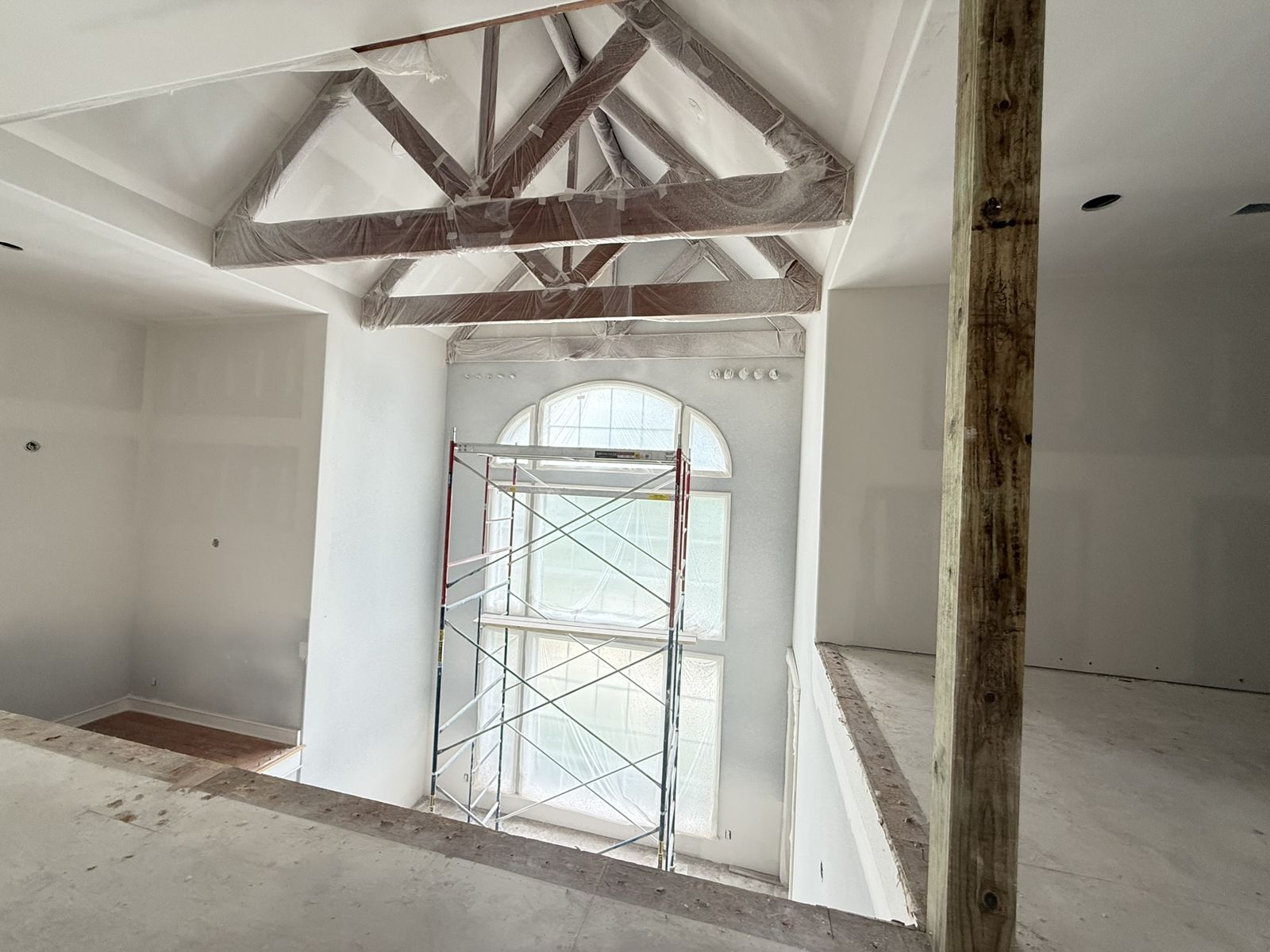 Fire Damage RepairDamage assessment through structural repair and rebuild.
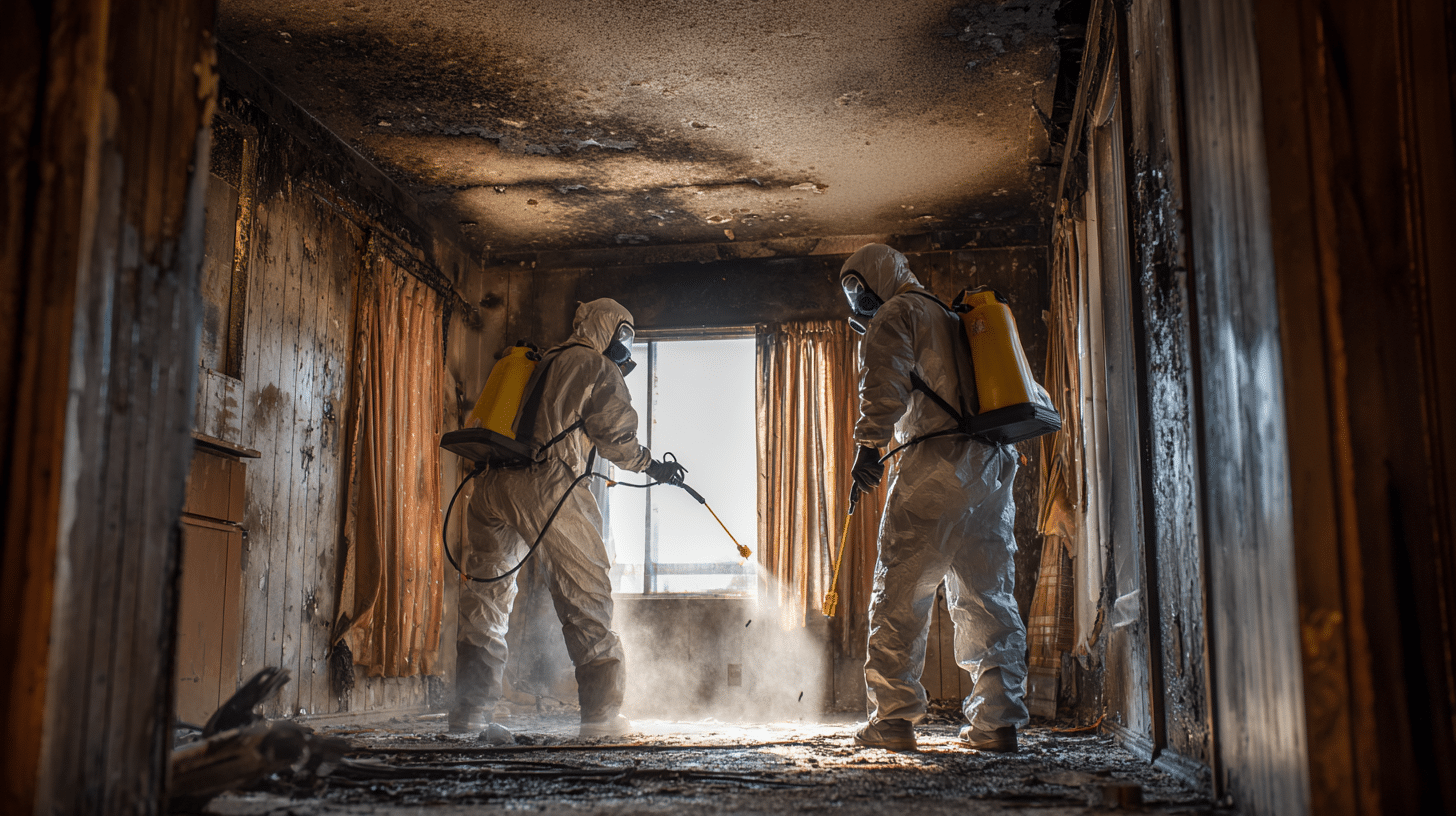 Smoke Damage CleanupRemoval of soot, odor and residue throughout the home.
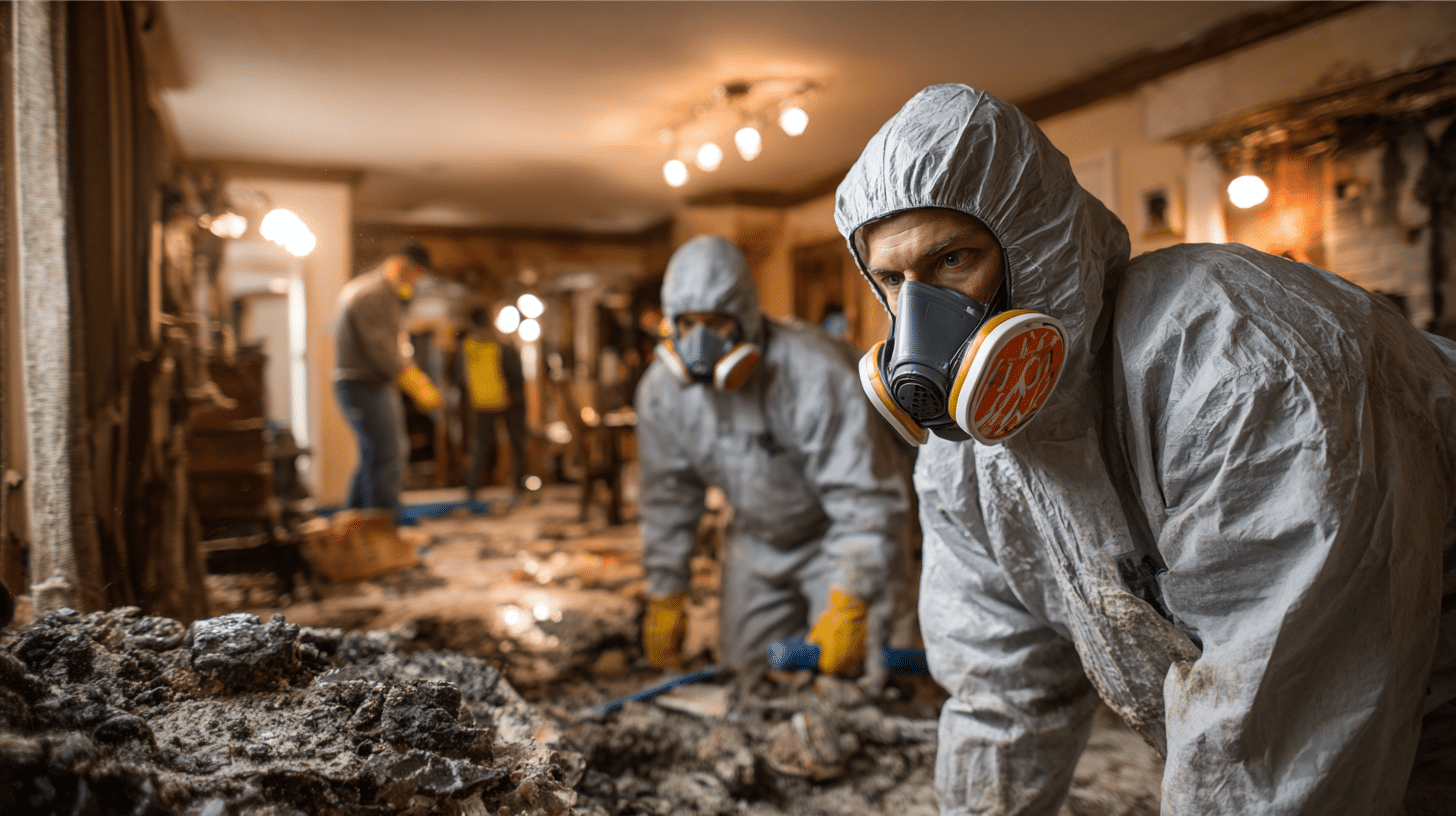 After A FireThe first 24 hours: what not to touch and how to start your claim.
Water in your home? Call Bear.
Call now for immediate dispatch, or send a note for anything that can wait until morning.